📝 Summary
- The year 2026 is marked by global instability, wars, and ideological confrontations. From West Asia to Europe and parts of Asia, tensions are rising.
- In such a volatile environment, India’s relative peace, balance, and stability are not accidental — they are the result of strategic foresight, calibrated policy, and prioritizing national interest.
- However, external stability can endure only if internal political discourse remains responsible, nation-first, and fact-based.
- In an era of information warfare, global narratives, vote-bank politics, and foreign pressures, citizen awareness is India’s greatest strength.
Emerging Global Role Through Balanced Diplomacy
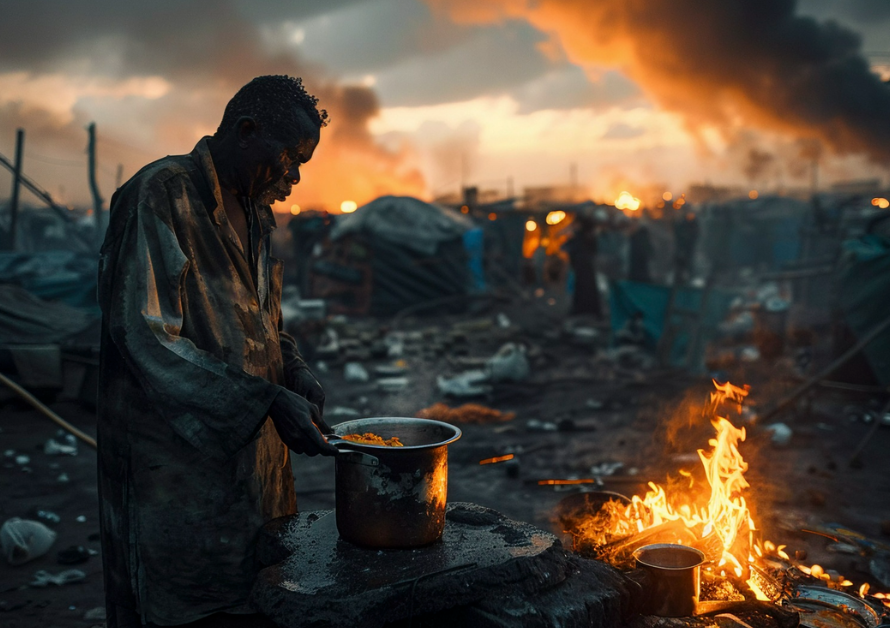
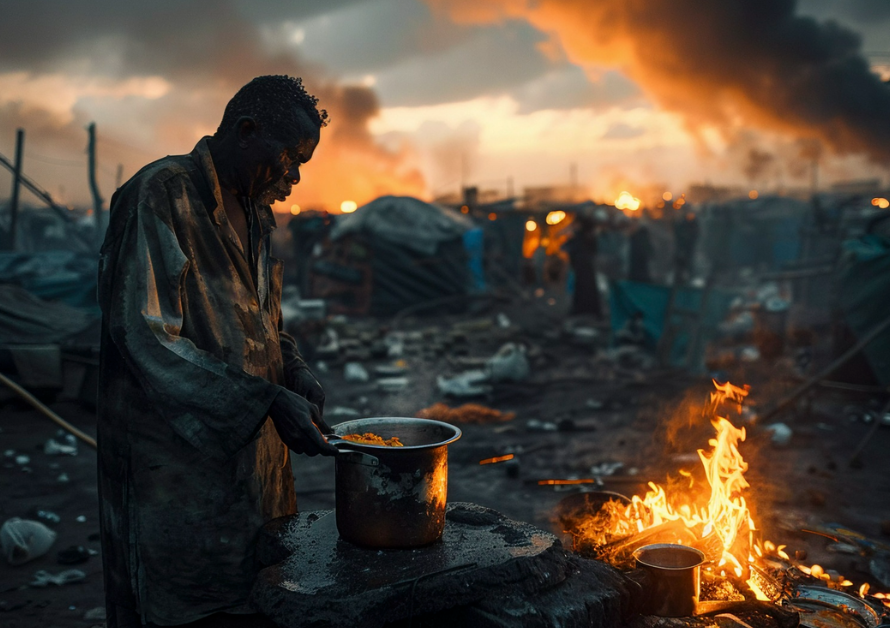
🌍 1. A World in Flames
The global landscape today is deeply unsettling:
- Military escalation and retaliatory strikes in West Asia
- The prolonged and exhausting Russia–Ukraine war
- Rising instability in the Pakistan–Afghanistan region
- Pressure on global supply chains
- Energy and food security concerns
- Missiles are reported over parts of the Middle East.
Europe continues to bear the economic and psychological weight of war. - Global markets remain uncertain.
In such a scenario, India’s relative calm is not a small achievement — it is strategic success.
🇮🇳 2. India’s Stability: Not an Accident, But Structured Strategy
India remains comparatively secure because of deliberate structural strengthening:
🛡️ Defense Reinforcement
- Modernization of border infrastructure and technology
- Expansion of indigenous defense production
- Balanced strategic partnerships
🌐 Multi-Aligned Foreign Policy
- Avoiding overdependence on any single bloc
- Maintaining dialogue with major global powers
- National-interest driven diplomacy
💻 Economic & Technological Self-Reliance
- Launch of semiconductor manufacturing initiatives
- Expansion of digital infrastructure
- Attraction of global investments
🏗️ Institutional Strengthening
- Financial system stability
- Improved disaster and strategic response frameworks
While much of the world is polarizing into rigid blocs, India has chosen balance.
- While many nations are locked in confrontation, India has chosen calibrated strategic autonomy.
⚠️ 3. The Threat Is Not Only at the Borders — It Is in the Narrative
- Modern conflict is not fought only with weapons.
It is fought through:
- Media narratives
- Data interpretation
- Social media amplification
- Global perception management
- This is information warfare.
If within a nation:
- Unverified or misleading information spreads rapidly
- Development initiatives are consistently portrayed negatively
- International forums are used to project domestic instability
the damage affects not just a government — but the nation’s strategic credibility.
🏛️ 4. The Role of the Opposition: Strength or Destabilization?
- In a democracy, opposition is essential.
However, there is a difference between:
✔️ Constructive criticism
❌ Continuous erosion of institutional trust
✔️ Policy-based debate
❌ International amplification of domestic disputes
✔️ Presenting alternative vision
❌ Dismissing every achievement reflexively
When political competition rises above national interest, instability follows.
- Healthy democracy requires balance between accountability and responsibility.
🌐 5. Rising India and Global Interests
India today is:
- Emerging as a key supply-chain hub
- Becoming a data and technology power
- Advancing toward defense self-reliance
- Practicing independent foreign policy
History shows that rising powers often face:
- Coordinated media campaigns
- Economic pressure tactics
- Policy lobbying
- Narrative shaping through think tanks
If domestic political discourse unintentionally reinforces such external narratives, the cumulative effect can weaken national positioning.
🛑 6. Vote-Bank Politics vs. National Security
- Long-term national security requires clarity and firmness.
If:
- Extremist or violent ideologies are treated with selective softness
- Sensitive security matters are politicized for electoral calculations
- Short-term gains override long-term cohesion
- the risks multiply over time.
National security cannot be reduced to electoral arithmetic.
🧠 7. The Role of Citizens — The Ultimate Safeguard
India today needs:
- Fact-based thinking
- Verification before amplification
- Resistance to emotional manipulation
- Clarity on national priorities
An informed citizenry is democracy’s strongest shield.
🇮🇳 8. When the World Is Burning…
The reality is:
- Our cities are not war zones
- Our economy is functioning
- Our diplomacy is active
- Our borders are guarded
This did not happen overnight. It is the result of years of policy direction, institutional strengthening, and strategic positioning.
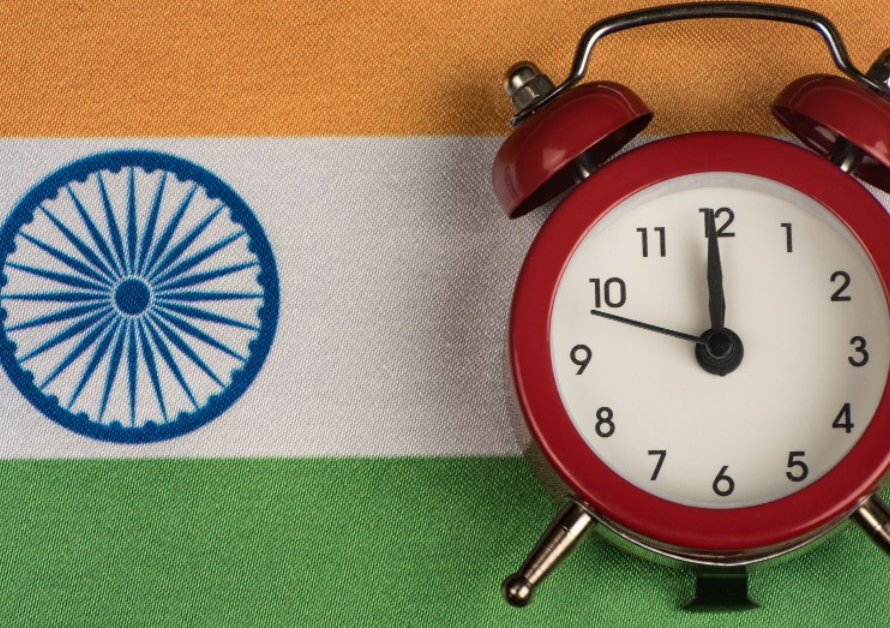
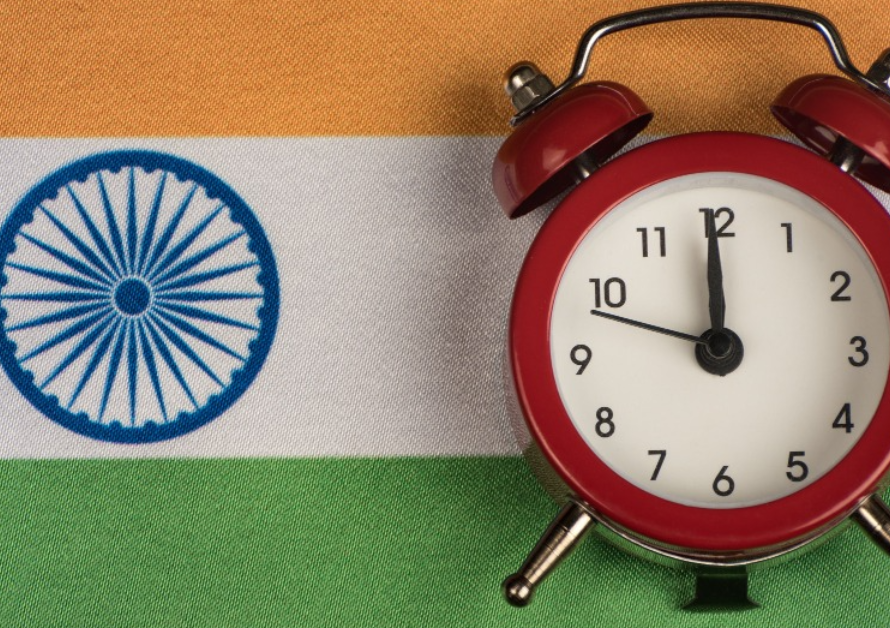
🔥 Final Message: A Defining Moment
This is the time to:
- Put national interest above partisan rivalry
- Strengthen internal unity
- Encourage fact-based discourse
- Keep political disagreements within constitutional limits
India is not easy to destabilize. But complacency can weaken even strong nations.
- When the world edges toward conflict, Stability becomes strength.
Vigilance becomes security.
National interest becomes paramount.
🇮🇳 Jai Bharat, Vandematram 🇮🇳
Read our previous blogs 👉 Click here
Join us on Arattai 👉 Click here
👉Join Our Channels 👈