Summary
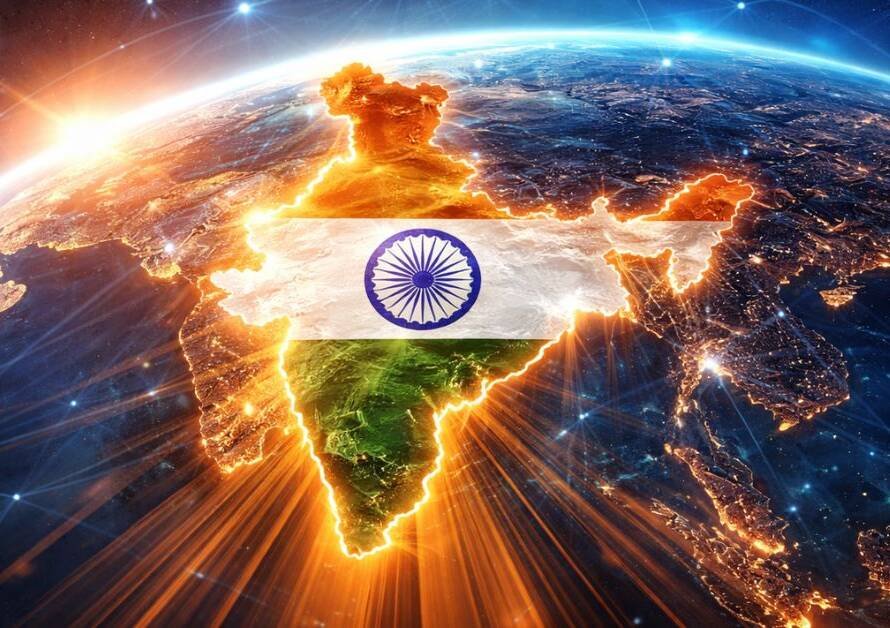
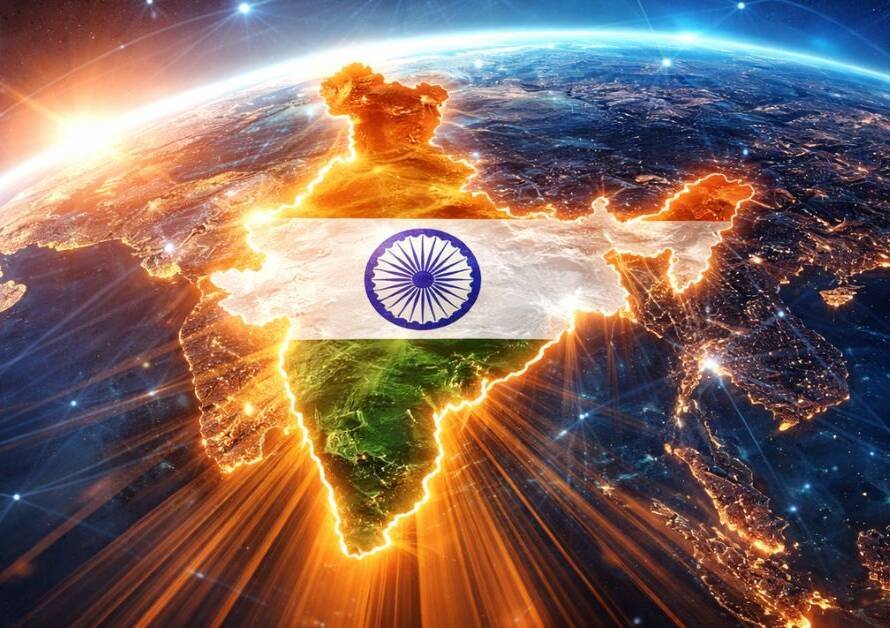
- This comprehensive narrative analyzes the era-defining transformations under the leadership of Prime Minister Narendra Modi over the last 11 years.
- It encapsulates the journey of the revival of Sanatana Dharma, the strengthening of internal and external security, the global-scale expansion of infrastructure, and India’s emergence as a ‘Vishwa Mitra’ (Friend of the World).
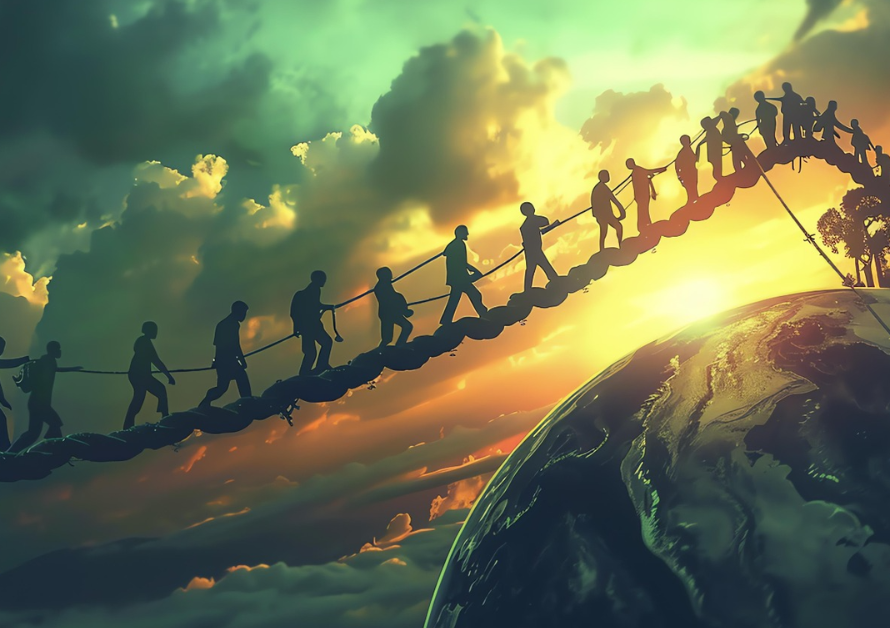
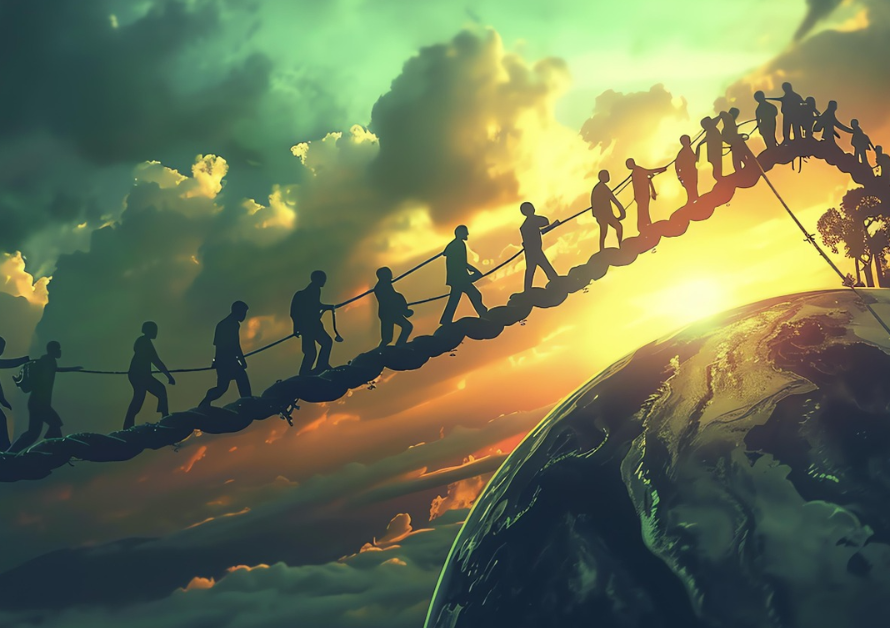
- The article emphasizes that while the government has prepared the physical and spiritual foundation with a ‘Nation-First’ mantra, civic duty and collective unity are now the keys to making India a ‘Developed Nation’ by 2047.
1. Cultural and Spiritual Renaissance: Re-establishing Sanatana Dharma
The past decade has dismantled the ‘cultural inferiority complex’ that had gripped the Indian psyche for decades. This is not merely the construction of temples, but a civilization returning to its original glory.
Ram Janmabhoomi: Ending 500 Years of Anticipation:
- The Pran-Pratishtha of Lord Shri Ram in Ayodhya on January 22, 2024, was not just the inauguration of a temple, but the restoration of India’s cultural self-confidence.
- Resolving this dispute with legal and democratic dignity, without any communal violence, is a victory for the Indian judicial system and political willpower.
Divine Corridors and Heritage Restoration:
- Kashi Vishwanath Dham: The abode of Baba Vishwanath, which was confined to narrow lanes for centuries, was given a grand form and connected directly to the Ganga.
- Mahakal Lok (Ujjain): The ancient glory of Avantika on the banks of the Kshipra River was revived using modern technology and art.
- Kedarnath and Badrinath Dham: The reconstruction of these shrines after the disaster took place under the Prime Minister’s personal supervision, making Himalayan pilgrimage safe and accessible.
Legal Protections and Rights:
- CAA (Citizenship Amendment Act): Providing Indian citizenship to persecuted minorities (Hindus, Sikhs, Buddhists, Jains) from Pakistan, Bangladesh, and Afghanistan is the fulfillment of a civilizational responsibility.
- Anti-Conversion Laws: Stringent laws against forced or incentivized conversions were enacted in several states to ensure demographic security.
2. National Security and Sovereignty: The Policy of “Striking in Their Own Den”
India has shifted its defense policy from being ‘Reactive’ to ‘Deterrent.’ We no longer plead before the world; we ensure our own security.
Border Security and Decisive Action:
- Surgical and Air Strikes: After Uri and Pulwama, India destroyed terror camps inside Pakistan, making it clear that India’s patience should not be mistaken for weakness.
- Doklam and Galwan with China: On the Himalayan peaks, the Indian Army gave a stern response to China’s expansionist policy with modern weapons and robust infrastructure.
Strengthening Internal Security:
- End of Article 370: On August 5, 2019, the dream of ‘One Nation, One Constitution, One Mark’ was realized by removing the special status of Kashmir. Today, stone-pelting in Kashmir is history, and the region is seeing record-breaking tourism.
- Elimination of Naxalism: The ‘Red Corridor’ has been shrunk, pushing Naxalism to its last breath. The goal to make India entirely Naxal-free by March 2026 is nearing completion.
Self-Reliance in Defense (Atmanirbhar Defence):
- India is now manufacturing its own fighter jets (Tejas), aircraft carriers (INS Vikrant), and advanced missile systems (Akash, BrahMos).
- The 34-fold increase in defense exports shows that India is no longer a defense market for the world, but a defense supplier.
3. Global Prestige: Stepping Toward “Vishwa Guru”
Today, India’s presence on the world stage is not merely as a member, but as a decisive power.
- Unprecedented Success of G20: Building consensus on the ‘Delhi Declaration’ during India’s G20 presidency in 2023 was a diplomatic victory. We led the world by becoming the voice of the ‘Global South.’
- Globalization of Yoga and Ayurveda: Observing June 21 as ‘International Yoga Day’ and placing Ayurveda parallel to modern medicine is a demonstration of India’s ‘Soft Power.’
- Messiah in Global Crises: Delivering COVID vaccines to over 150 countries under ‘Vaccine Maitri’ and safely evacuating not only Indians but also foreigners from war zones (Ukraine, Sudan) highlights India’s new capabilities.
- Strategic Autonomy: Despite pressure from the US and Western countries amidst the Russia-Ukraine war, India kept its national interest (cheap oil and fertilizers) paramount.
4. Infrastructure and Digital Revolution: The Foundation of Modern India
Prime Minister Modi has often said that “Speed is Progress.” In the last 11 years, India has witnessed a pace of construction previously considered impossible.
Road and Rail Network:
- National highway construction has accelerated 2 to 3 times (approx. 37 km per day).
- Modern trains like Vande Bharat have changed the face of Indian Railways.
- Nearly 100% electrification of railways is a milestone for both the environment and the economy.
Digital India and UPI:
- Today, India handles 46% of the world’s total real-time digital transactions.
- From a small village shopkeeper to large malls, the ‘cashless’ economy has cut through the web of corruption and middlemen.
The Basis of Poor Welfare Schemes:
- Jal Jeevan Mission: Bringing tap water to millions of homes.
- PM Awas: Construction of over 4 crore permanent (pucca) houses.
- Ayushman Bharat: Free treatment up to ₹5 lakh, which is the world’s largest health insurance scheme.
5. Internal Challenges and Civic Responsibility: A Bitter Truth
In spite all government efforts, if society remains divided and engrossed in selfishness, success cannot be permanent.
- Abandoning Self-Interest and Ego: There is a section that finds fault in every action of the leadership. This ‘anti-national ecosystem’ only becomes active when we ourselves are not vigilant.
- Lack of Collective Strength: The government can build a road, but keeping it clean is the citizen’s job. The government can build a temple, but protecting Dharma is the job of society.
- Internal Traitors and Negativity: There are certain forces within the country that are afraid of India’s rise. They continuously try to divide Hindus in the name of caste, language, and region. Vigilance is mandatory to fight these ‘internal enemies.’
6. Are We Ready for 2024–2047?
Modi has dedicated his life to the nation and Sanatana Dharma. Despite abuses and insults, he has brought India to a position where we can dream of ‘Developed India @ 2047.’
- This is the time to rise above personal ego and selfishness and stand with the country.
- Without the support of the community, any government can only provide infrastructure, not character. Character building must come from within society.
- We must understand that if we do not support this leadership today, history will never forgive us.
The sunrise of India has occurred. It is now up to us whether we move forward in that light or get lost in the darkness of our own internal evils.
🇮🇳 Jai Bharat, Vandematram 🇮🇳
Read our previous blogs 👉 Click here
Join us on Arattai 👉 Click here
👉Join Our Channels👈