A Policy Review of 70 Years of Congress Governance
- After Independence, India achieved political freedom, but ideological and cultural freedom remained incomplete for decades.
- Congress governments, which remained in power for long periods, have often been accused of weakening India’s Sanatana traditions, cultural self-confidence, and social harmony through colonial mindsets, appeasement politics, and imbalanced secularism.
- This article is not directed against any community; it is a review of policies and ideological trends whose long-term impact shaped Indian society. The objective is not confrontation, but reform, balance, and introspection.
1. Marginalization of Cultural Symbols
- Over time, the presence of Indian spiritual and cultural symbols gradually declined from public institutions, educational campuses, and broadcasting platforms.
- Verses, prayers, and cultural expressions linked to national consciousness and self-respect were made “controversial” in the name of secularism.
As a result, the younger generation experienced:
- Hesitation and discomfort toward their own culture
- Growing distance from traditions in public life
2. Secularism vs. Appeasement: Absence of Balance
Constitutional secularism means equal respect for all religions.
- In practice, it often appeared to turn into a selective approach.
- Certain religious traditions received special protection, while others faced regulation or neglect.
This created a perception in society that:
- The state was not neutral
- Policies were tilted according to political advantage
3. Temples, Trusts, and Institutional Inequality
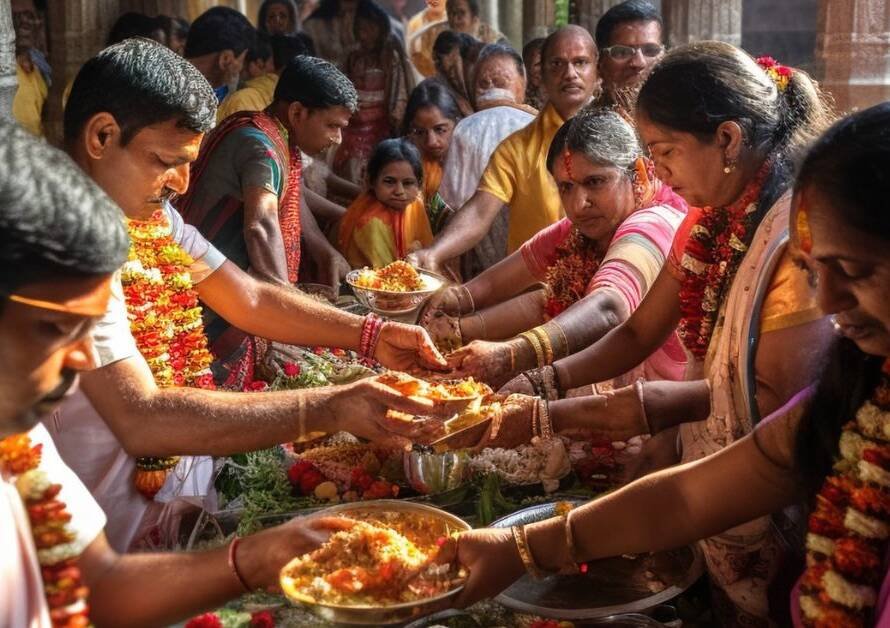
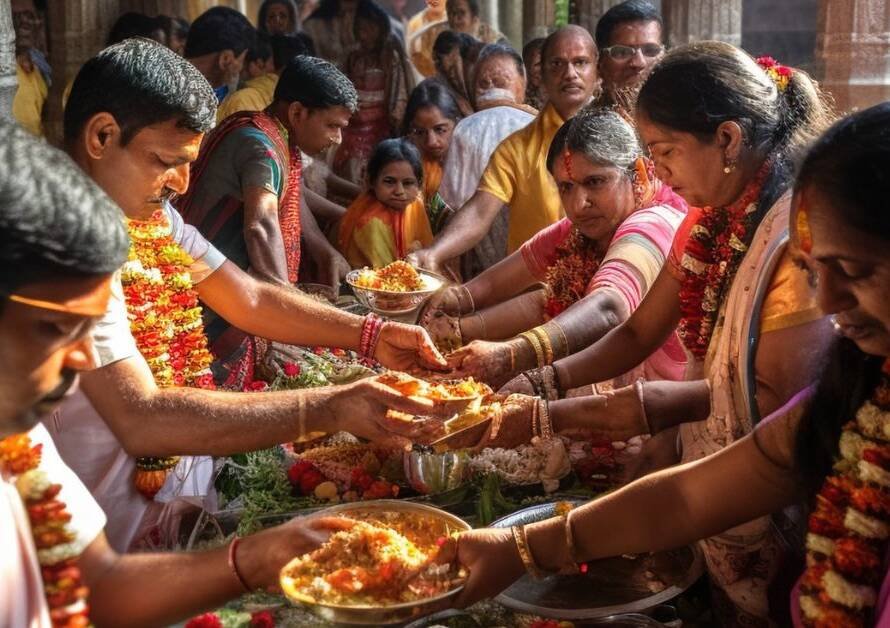
- In many states, temples and their assets remained under government control for decades.
- Appointments, audits, and administrative interference raised questions about religious autonomy.
- Meanwhile, institutions of other religions enjoyed comparatively greater freedom.
- This disparity intensified debates on religious equality and constitutional fairness.
4. Education and History: Impact of a One-Sided Narrative
In history curricula:
- Medieval conflicts and civilizational damage were not presented in a balanced manner.
- Indian resistance, reconstruction, and civilizational resilience received limited space.
As a result:
- Cultural pride weakened
- Generations developed hesitation and discomfort regarding their own past
5. The Emergency: The Deepest Blow to Democracy
The Emergency (1975–77):
- Suspension of fundamental rights
- Curbing of press freedom
- Suppression of opposition
This period stands as a permanent warning in the history of Indian democracy.
6. Questions on National Security and Decisiveness
- On issues such as Kashmir, cross-border terrorism, illegal infiltration, and foreign policy, questions were often raised about decisiveness and long-term vision.
A section of society believed that:
- Political balancing and image management
- Were prioritized over national interests
7. Social Policies and the Politics of Division
Social justice is essential, but when policies:
- Promote identity-based polarization
- Weaken a shared national identity society eventually fractures.
- Politics centered on caste, class, and community fostered competition rather than harmony.
8. Cumulative Impact: Cultural Hesitation and Loss of Confidence
The combined effect of these decades of policies resulted in:
- A sense of guilt among the majority community
- Pride in one’s own traditions becoming controversial
- Nationalism and culture being portrayed as defensive or suspect ideas
9. Directional Shift in Recent Years
In recent times, there has been:
- A return of cultural self-confidence
- Open discussion on history and tradition
- A visible balance between development, security, and culture
This demonstrates that in a democracy, policies can change when citizens remain alert and engaged.
10. The Purpose of Critique—Not Conflict, But Balance
- The aim of this discourse is not to blame any community.
The objective is to:
- Learn from policy mistakes
- Establish genuine secularism
- Strengthen democratic values alongside cultural self-confidence
Balance, dialogue, and introspection alone can make India a strong nation and a true civilizational guide.
🇮🇳 Jai Bharat, Vande Mataram 🇮🇳
For old Blogs please visit our website www.saveindia108.in
👉Join us on Arattai 👈
Arattai: https://tinyurl.com/mrhvj9vs
👉Join Our Channels 👈