Summary
- India is an ancient civilization, yet for decades after independence, appeasement-driven politics and imbalanced legal frameworks pushed the rights, institutions, and sentiments of the Hindu majority to the margins.
- Laws such as the expansive powers of the Waqf Board and the rigid provisions of the Places of Worship Act, 1991 deepened a sense of inequality.
- Since 2014, under the leadership of Prime Minister Narendra Modi, there has been a clear shift—towards protecting Hindu rights within the constitutional framework, reviving Sanatana Dharma, and restoring India’s global stature in economics and geopolitics.
- The central question before us now is simple yet profound: Will we recognize this moment and safeguard our future, or repeat the mistakes of history?
This Is Not an Emotional Question, but a Civilizational One
- India is not merely a nation born in 1947; it is a living civilization spanning thousands of years of culture, faith, and continuity.
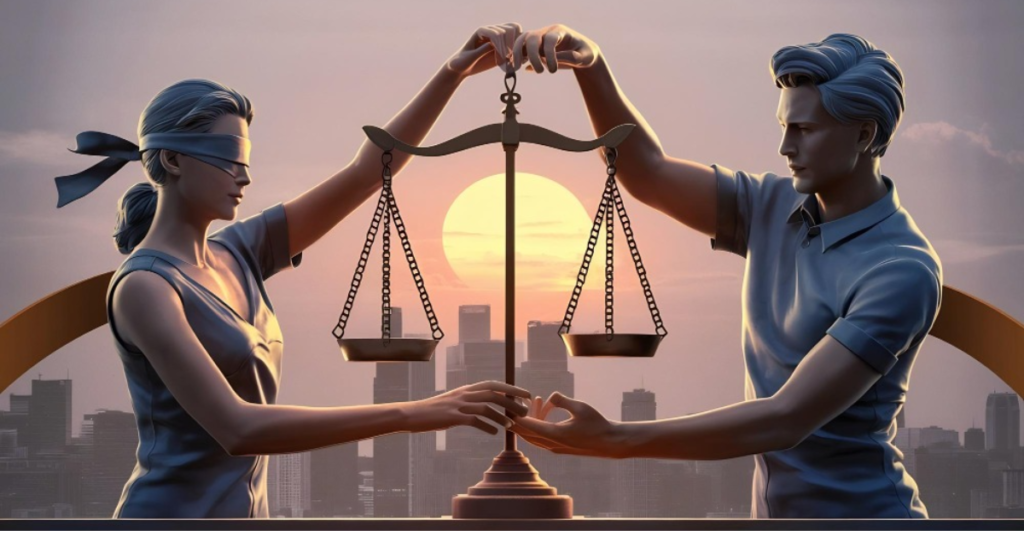
- When laws and policies affect this civilizational balance, the issue transcends politics—it becomes a question of civilizational justice and historical responsibility.
I. Six Decades of Governance and Constitutional Imbalance
During nearly six decades of Congress rule, the Constitution was amended multiple times. While the stated objectives were “secularism” and “minority protection,” the practical outcomes often included:
- Granting special privileges to certain communities
- Curtailing the religious, cultural, and educational rights of the Hindu majority
- Institutionalizing vote-bank politics as a long-term strategy
- Replacing equality with unequal legal frameworks
The Hindu community tolerated these developments silently, in the name of “pseudo-secularism” and “brotherhood,” often at the cost of its own civilizational interests.
II. The Waqf Board: Unlimited Powers, Limited Accountability
Over time, the Waqf Act was strengthened in a manner that granted the Waqf Board extraordinary authority, leading to:
- Broad powers to capture lands and properties
- Complex and prolonged legal processes for citizens and village bodies to contest claims
- Years-long litigation draining local communities of resources
- Villages, agricultural land, and even ancient religious sites becoming entangled in disputes
The concern here is not religious identity, but legal balance:
- Can equality truly exist when one religious body is granted powers resembling those of the state itself?
III. The Places of Worship Act, 1991: A Permanent Lock on History?
This Act mandates that the religious character of a place as it stood on 15 August 1947 must remain unchanged. Its consequences include:
- Closing constitutional avenues to address historical injustices
- Restricting judicial review
- Rendering historical evidence largely irrelevant in cases involving sites altered during invasions।
While communal harmony is important, a fundamental question arises:
- Can lasting peace be built by permanently freezing injustice?
IV. The Double Standard: The Root of Discontent
- On one hand, flexible and expansive provisions for the Waqf Board
- On the other, legal barriers for Hindus seeking justice regarding their own historical and religious heritage
This imbalance is not merely legal—it is moral and constitutional, and it fuels long-term societal mistrust.
V. Post-2014: A Clear Shift in Direction
Under the leadership of Prime Minister Narendra Modi, India has witnessed a decisive change:
- Protection of Hindu rights within constitutional limits
- Revival of Sanatana Dharma and restoration of cultural self-respect
- Opening space for legal and judicial discourse on historical issues
- Strengthening India’s role in global economics and geopolitics
- Strategic clarity in self-reliance, security, and diplomacy
This shift is not against any community; it is for equality, dignity, and national interest.
VI. The Road Ahead: Opportunity and Responsibility
If we wish to ensure that:
- The Hindu community remains secure, empowered, and respected
- Sanatana Dharma flourishes for generations to come
- India advances steadily as a global power with stability
- Our future generations are safe and prosperous
Then we must recognize:
- Political and social support to Nationalist government is essential
- Reforms must occur within the Constitution
- Emotions must give way to facts, history, and justice
VII. A Warning from History
- History is unforgiving. Civilizations that failed to awaken in time were reduced to footnotes.
This opportunity will not come again. Decisions taken today will shape the destiny of future generations.
Now or Never
- This is not a struggle against any community. It is a peaceful, constitutional, and conscious effort to protect our civilization, culture, and future.
- Today, we have leadership, opportunity, and awareness. What remains is unity and resolve.
- Let history remember us as the civilization that rose in time to protect itself—not one that saw the danger yet chose silence.
🇮🇳 Jai Bharat, Vandematram 🇮🇳
For old Blogs please visit our website www.saveindia108.in
👉Join us on Arattai 👈
Arattai: https://tinyurl.com/mrhvj9vs
👉Join Our Channels 👈