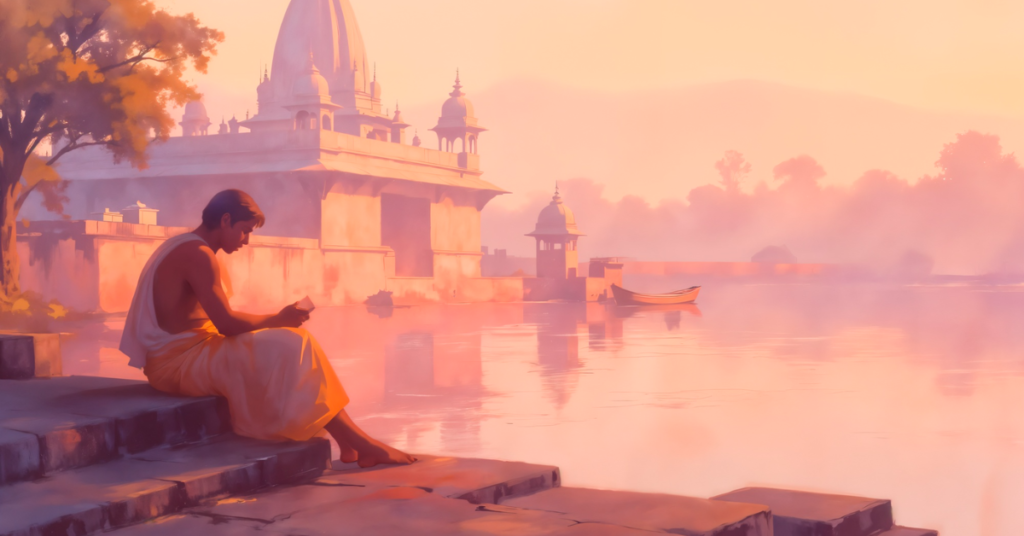
Beyond Somnath
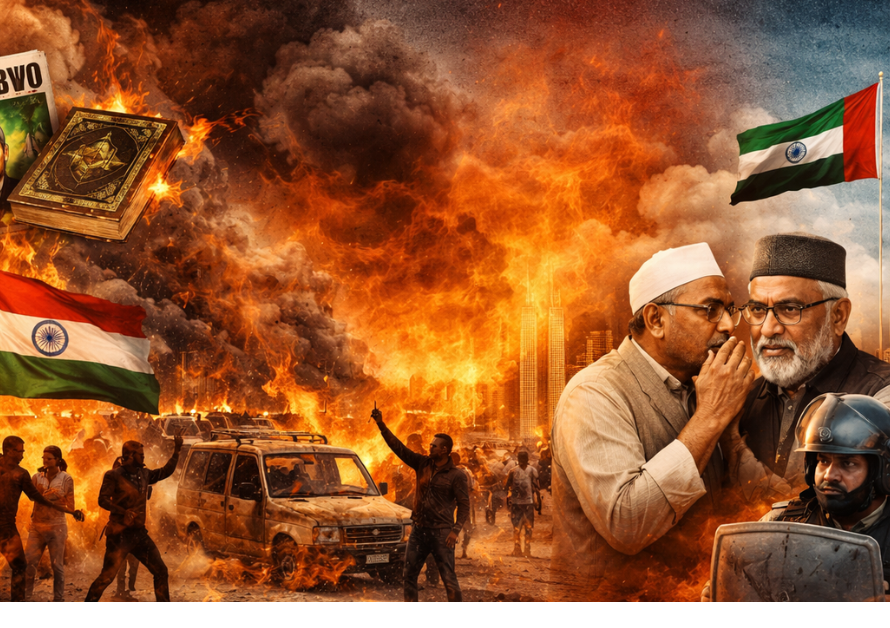
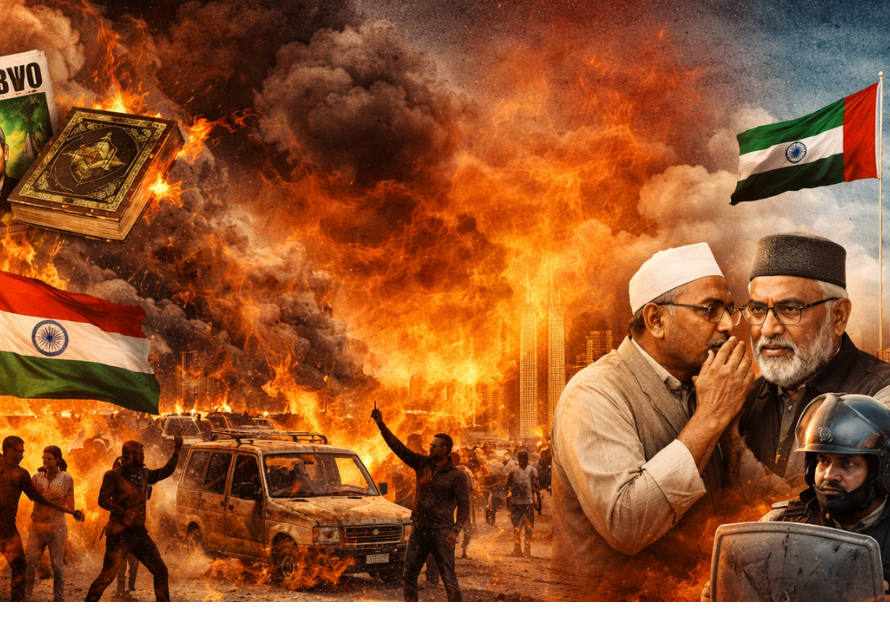
Somnath is not just a temple or a site; it is a symbol of India’s cultural identity, faith, and the historical injustices it has faced. Its destruction did not merely break stones—it challenged our memory, justice, and the eternal (Sanatan) values. Today, moving beyond Somnath, we must ensure not just remembrance, but a just renaissance and the preservation of cultural dignity.
SECTION 1: Somnath – A Symbol, Not the Whole Story
- The destruction of the Somnath Temple was not merely a single historical incident.
- It symbolizes a long era in which hundreds of Hindu temples across India were destroyed, many replaced by other structures.
- Remembering Somnath is therefore about acknowledging a broader civilizational trauma, not just one site.
SECTION 2: 8 January 1026 – A Forgotten Tragedy
On 8 January 1026, during the invasion by Mahmud of Ghazni:
- The Somnath Jyotirlinga was destroyed
- Thousands of priests and defenders were killed, according to traditional accounts
- Vast wealth was looted
This was an assault not only on stone, but on faith, memory, and cultural identity.
SECTION 3: The Question of Selective Memory
- Some dates continue to be remembered loudly
- Yet 8 January has largely disappeared from collective memory
This calls for reflection, not confrontation:
- Are these sacrifices unworthy of remembrance?
- Has the significance of a Jyotirlinga faded from our consciousness?
SECTION 4: Somnath Was Not Alone
- Kashi, Mathura, the Dwarka region, and many other locations
- Stand as reminders of temple destruction and historical injustice
- History must be understood holistically, not selectively
SECTION 5: Independent India and Delayed Justice
- After independence, there was hope for constitutional correction of historical wrongs
Instead, decades saw:
- Political apathy
- Judicial delays
- And an expected silence from society
SECTION 6: Change Through Constitutional Means
- The Ram Janmabhoomi verdict proved that if there is political will, lawful paths can deliver justice
- Today, Kashi and Mathura matters are also progressing legally
SECTION 7: The Way Forward – Justice with Restraint
- Temple restoration does not mean disrespecting any faith
- It means acknowledging historical truth through lawful processes
This journey must continue:
- Through courts
- With evidence, restraint, and constitutional discipline
SECTION 8: Society’s Role in Cultural Renewal
Under a nationalist, Sanatana-respecting government:
- Equal laws
- Cultural confidence
- And constitutional justice are being emphasized
These efforts require patient, aware, and lawful public support
SECTION 9: Sanatana Dharma and Global Peace
Sanatana Dharma stands for:
- Coexistence
- Compassion
- Balance
Cultural revival is about self-respect with peaceful coexistence, not conflict
- A confident India can offer Sanatana values to the world as a path to harmony
🙏 Salutations 🙏
- To all those martyrs who gave their lives defending temples and culture.
- Their remembrance is the true service of Sanatana Dharma.
🇮🇳 Jai Bharat, Vandematram 🇮🇳
- Website:https://www.saveindia108.in
- Old Blogs: https://saveindia108.in/our-blog/
- Arattai: https://tinyurl.com/mrhvj9vs