India and the Global South Redefine World Order
- The world is quietly transitioning from a dollar-centric financial order to a multipolar system. This shift is not driven by slogans or confrontation, but by architecture—new settlement mechanisms, diversified reserves, and alternative payment rails.
- The Global South and Eastern economies are coordinating across forums, with India playing a leading, bridge-building role.
- At the heart of this transition is BRICS, which is advancing de-dollarized trade and a values-based framework that prioritizes sovereignty, stability, and humanity over coercive commercial leverage.
- The expected outcome is not chaos, but rebalancing.
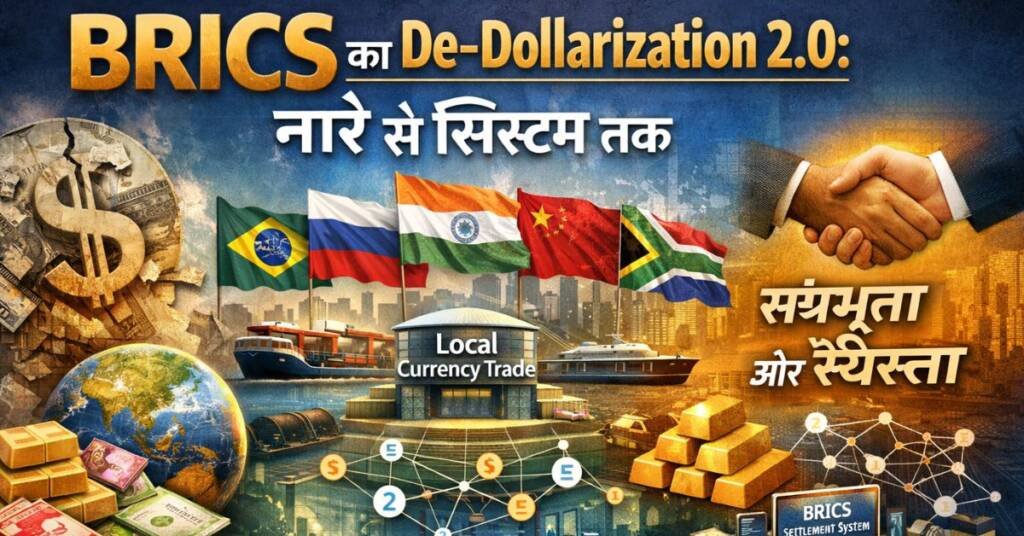
1. From Narrative to Infrastructure: De-Dollarization 2.0
For years, de-dollarization was dismissed as rhetoric. That phase has ended. Today, it is visible in:
- Balance sheets (reserve diversification)
- Trade invoices (local-currency settlement)
- Pipes and rails (payments infrastructure)
This is not an overnight exit from the dollar; it is a measured redesign to reduce single-point dependence and political risk.
2. Why the Global South Is Coordinating Now
Countries across Asia, Africa, Latin America, and Eurasia share a common experience:
- Sanctions risk that can halt trade overnight
- SWIFT dependency that centralizes power
- Extra-territorial pressure affecting domestic policy
The response is coordination—not confrontation:
- Risk diversification over retaliation
- Redundancy over rupture
- Sovereignty over submission
The goal is to ensure trade continuity and humanitarian stability, even during geopolitical stress.
3. India’s Leadership: A Bridge, Not a Bloc
India’s approach is central to why this transition is gaining legitimacy:
- Strategic autonomy (not alignment politics)
- Inclusive growth (voice for developing economies)
- System-building (payments, standards, corridors)
India engages the West, partners the East, and champions the Global South—reducing friction while expanding options. This posture builds trust and accelerates adoption.
4. BRICS: The Platform of Practical Change
BRICS has evolved from a dialogue forum into a delivery platform:
- Local-currency trade among members and partners
- Gold reserve accumulation to anchor confidence
- Alternative payment networks to reduce choke points
- Proposed BRICS settlement unit (trade-focused, not retail)
Key intent: Neutralize dominance risk without replacing national currencies. The design is complementary, not disruptive.
5. Ending Coercion, Enabling Ethical Trade
The emerging BRICS framework emphasizes:
- Mutual respect over market intimidation
- Continuity over shock (keep food, energy, medicines moving)
- Predictability over leverage
This resonates because businesses and governments want lower tail-risk, not ideology.
6. The Dollar’s Changing Equation
Major financial institutions acknowledge a shifting outlook:
- Expected rate cuts in the U.S.
- Tighter stances elsewhere
- Erosion of the dollar’s high-yield premium
As the yield advantage narrows, political cost matters more. The question becomes: Is exposure worth the risk when alternatives exist?
7. What the Data Shows
Change appears incremental:
- A few billions reallocated
- A few tonnes of gold added
- More local-currency invoices
But history moves through increments. The direction is unmistakable: from monocentric to multipolar reserves.
8. America’s Response: Resistance to an Inevitable Transition
As alternatives mature:
- Unilateral leverage weakens
- Sanctions efficacy declines
- Trade routes diversify
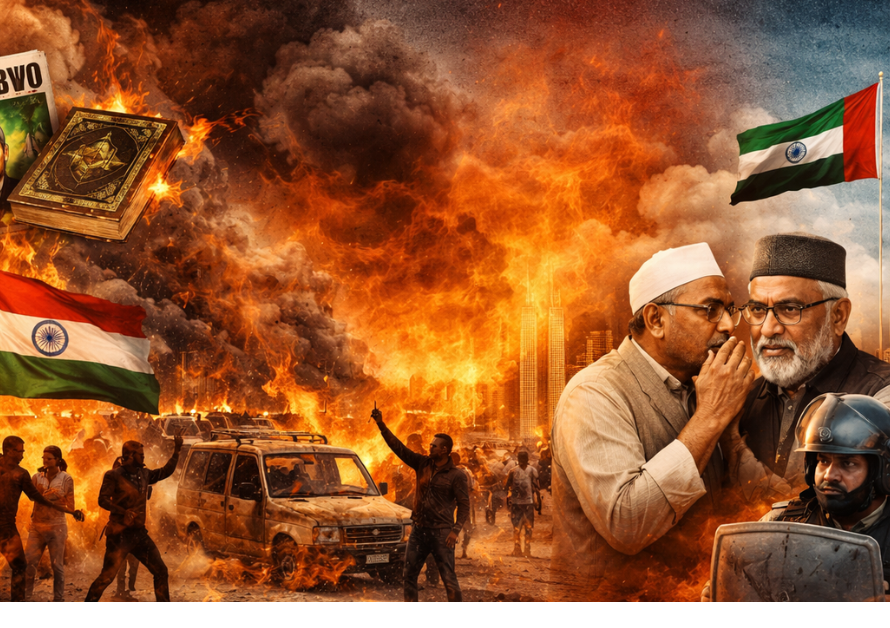
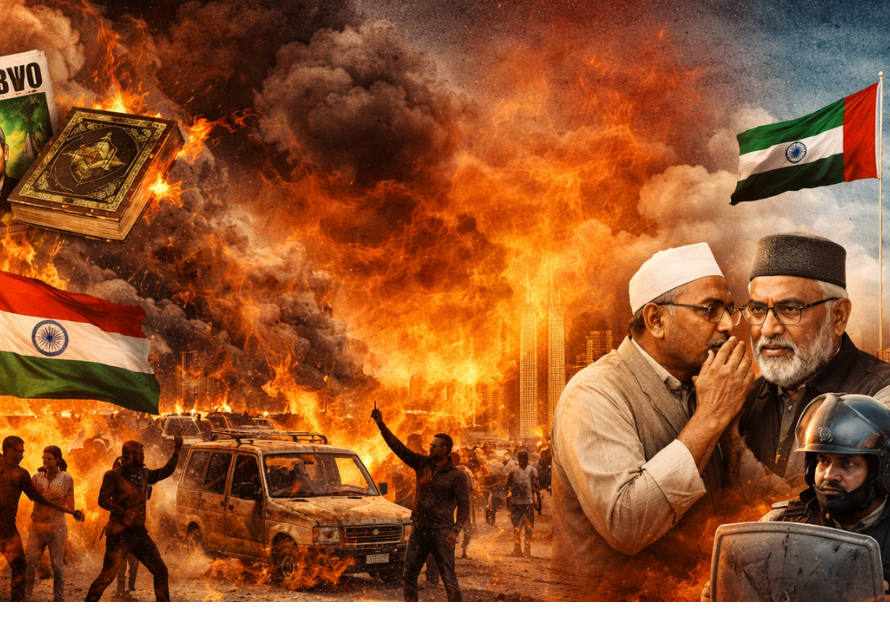
Residual turbulence—financial pressure, narrative warfare, geopolitical flashpoints—reflects resistance, not reversal. The system is adapting.
9. India’s Strategic Payoff
When India diversifies reserves, expands regional payment links, and supports BRICS mechanisms, it gains:
- Sanctions insurance
- Negotiating leverage
- Policy independence
This is future power accumulation, not symbolism.
10. What Comes Next?
Credible pathways include:
- A BRICS trade settlement unit
- Gold-linked confidence mechanisms
- CBDC bridges for cross-border settlement
- Hybrid models combining the above
The world is being redesigned in spreadsheets and protocols, not soundbites.
Rebalancing, Not Fragmentation
The shift underway is ethical and pragmatic:
- From dominance to dialogue
- From coercion to cooperation
- From single-currency control to shared financial sovereignty
De-Dollarization 2.0 is not anti-anyone; it is pro-resilience. With India’s leadership and BRICS’ system-building, a fairer, multipolar order is taking shape—quietly, steadily, and irreversibly.
🇮🇳Jai Bharat, Vandematram 🇮🇳
Website: https://www.saveindia108.in
Email: info@saveindia108.com
Old Blogs: https://saveindia108.in/our-blog/
WhatsApp: https://tinyurl.com/4brywess
Arattai: https://tinyurl.com/mrhvj9vs
Telegram: https://t.me/+T2nsHyG7NA83Yzdl