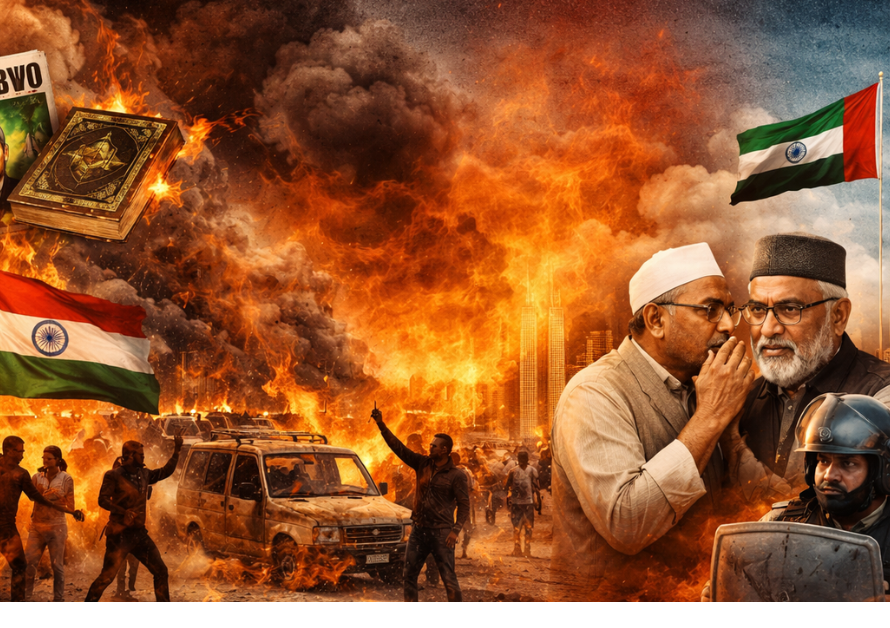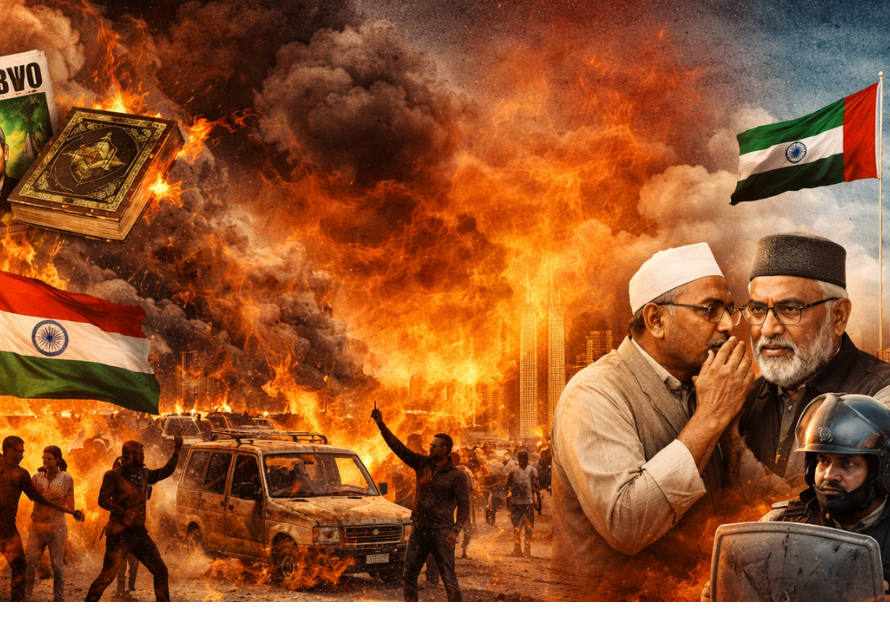
The Nature of Warfare has Changed
In today’s era, warfare is no longer limited to military actions fought on borders. In the changing global landscape, digital and economic fronts have become the new battlefields, where the direction and fate of nations can be influenced without a single shot being fired. Cyberattacks, information warfare, economic pressure, and narrative control have now become key factors that define a nation’s national strength.
🔶 Section 1 — The Changing Nature of War
- The character of war is transforming rapidly. Conventional military warfare—tanks, fighter jets, missiles, and ground troops—has not disappeared, but it has moved to the background.
Why traditional warfare is declining as the primary tool:
- High economic and human cost
- Global scrutiny and diplomatic backlash
- Risk of escalation between nuclear powers
- International legal and reputational consequences
As a result, nations increasingly prefer non-kinetic warfare, where damage is inflicted without open conflict.
🔶 Section 2 — The Rise of Hybrid Warfare
Modern conflict is now hybrid, combining:
- digital manipulation,
- economic pressure,
- psychological operations,
- narrative warfare,
- cyber intrusion.
This form of warfare:
- operates continuously, not episodically,
- rarely involves formal declarations,
- allows deniability,
- weakens adversaries from within.
The battlefield is no longer territory alone — it is society, economy, and human behaviour.
🔶 Section 3 — Digital Warfare: The Most Dangerous Front
- Digital warfare is uniquely dangerous because it targets citizens directly.
Core elements of digital warfare:
1. Social Media Manipulation
- Coordinated narrative amplification
- Algorithm-driven outrage and polarization
- Artificial trends and echo chambers
- Use of bots, fake accounts, and proxy influencers
Result:
- Social division
- Distrust in institutions
- Emotional instability at scale
2. Ideological and Narrative Engineering
Digital platforms are used to:
- weaken national confidence,
- delegitimize state institutions,
- normalize extreme viewpoints,
- portray chaos as resistance.
Over time:
- shared national narratives fracture,
- civilizational confidence erodes,
- societies turn inward and hostile.
3. Political Interference
Digital tools are used to:
- manipulate public opinion during elections,
- spread misinformation and selective leaks,
- inflame internal disputes,
- undermine democratic legitimacy.
The objective is often not regime change, but permanent instability.
4. Cybercrime as Economic Warfare
Cybercrime today is organized and strategic:
- financial fraud and phishing,
- ransomware attacks,
- identity theft,
- digital extortion and scams.
Impact:
- massive economic losses,
- erosion of trust in digital systems,
- overload on law enforcement and judiciary.
A digitally unsafe population becomes economically weak.
5. Psychological Manipulation
This is the most underestimated weapon.
Digital warfare reshapes:
- attention spans,
- emotional responses,
- habits and consumption patterns,
- perception of reality.
Consequences:
- increased anxiety and anger,
- reduced critical thinking,
- impulsive decision-making,
- long-term mental fatigue.
A psychologically unstable society is easy to divide and control.
🔶 Section 4 — Why Digital Warfare Causes Deep Civilizational Damage
Unlike conventional war:
- there are no visible ruins,
- no ceasefire announcements,
- no clear end.
Digital warfare:
- erodes trust slowly,
- weakens social bonds,
- normalizes constant conflict,
- leaves generational psychological scars.
It is silent, continuous, and deeply corrosive.
🔶 Section 5 — Economic Warfare: India’s Growing Strategic Capability
- Economic warfare has emerged as a powerful alternative to military confrontation.
Tools of economic warfare include:
- tariffs and counter-tariffs,
- sanctions and restrictions,
- import–export controls,
- supply-chain leverage,
- investment and market access regulations.
India has demonstrated increasing maturity in this domain.
🔶 Section 6 — India’s Success in Economic Statecraft
India has effectively:
- used market size as leverage,
- restricted imports when required,
- diversified trade partners,
- resisted coercive tariff pressure,
- compelled renegotiation of unfavorable trade terms.
India’s handling of tariff pressure, including from major economies, shows:
- growing economic confidence,
- strategic patience,
- ability to signal strength without escalation.
Economic warfare allows India to:
- protect national interest,
- avoid military confrontation,
- maintain diplomatic balance.
🔶 Section 7 — The Critical Gap: Digital Defence and Literacy
- Despite economic progress, digital warfare preparedness remains uneven.
Key vulnerabilities:
- fragmented cyber defence architecture,
- slow detection of coordinated disinformation,
- limited understanding of algorithmic influence,
- regulators focused on content, not manipulation systems,
- low digital literacy among large sections of society.
Most citizens still see digital platforms only as:
- communication tools,
- entertainment spaces,
- social networking sites.
This is a dangerous misconception.
🔶 Section 8 — Digital Literacy Is Now National Security
- Digital literacy today must go beyond basic usage.
A digitally resilient citizen should be able to:
- verify information sources,
- recognize emotional manipulation,
- understand algorithmic bias,
- practice cyber hygiene,
- protect personal and financial data.
An uninformed digital population becomes:
- manipulable,
- economically vulnerable,
- politically unstable.
In the modern era, ignorance is a strategic liability.
🔶 Section 9 — What Must Be Done Urgently
1. Strengthen Digital Warfare Capabilities
- Integrated cyber command structures
- Offensive and defensive cyber deterrence
- Real-time monitoring of information warfare
2. Upgrade Regulatory Capacity
- Training regulators in algorithmic and psychological impact
- Faster response mechanisms
- Clear accountability frameworks for platforms
3. Launch a National Digital Resilience Mission
- Focus on awareness, not censorship
- Public education on misinformation and cyber threats
- Digital safety as a public good
4. Public–Private Strategic Coordination
- Government, tech sector, academia, and security agencies collaboration
- Intelligence sharing on emerging threats
- Continuous research and adaptation
🔶 Section 10 — Conclusion: Power Without Fighting
Future conflicts will be decided not only by weapons, but by:
- control of narratives,
- economic leverage,
- digital resilience,
- psychological stability of societies.
India has shown that it can use economic warfare intelligently and effectively.
- The next strategic leap must be digital preparedness and mass awareness.
Because in the 21st century:
- wars are invisible,
- damage is internal,
- and victory belongs to those who adapt fastest.
🇮🇳 Jai Bharat, Vandematram 🇮🇳
For old Blogs please visit our website www.saveindia108.in