Summary
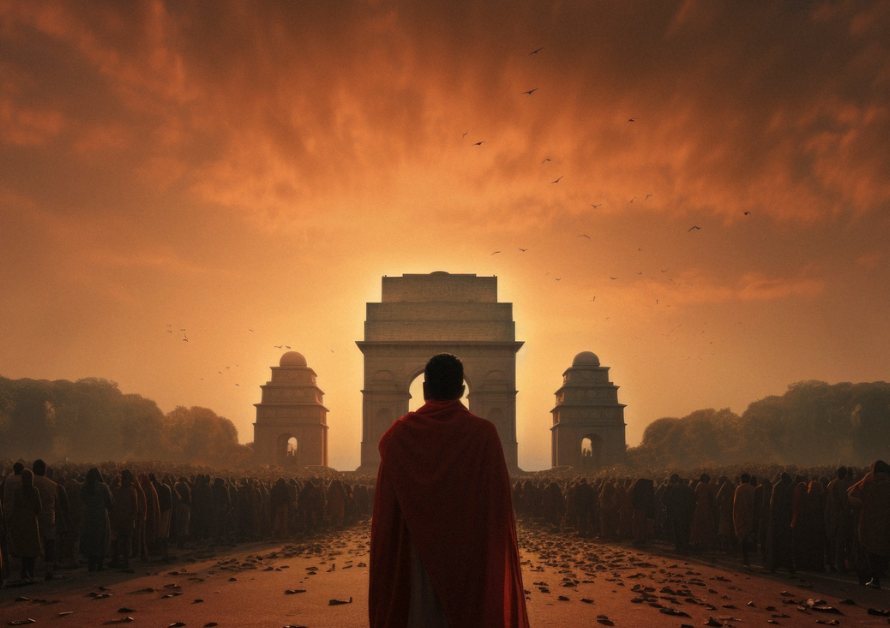
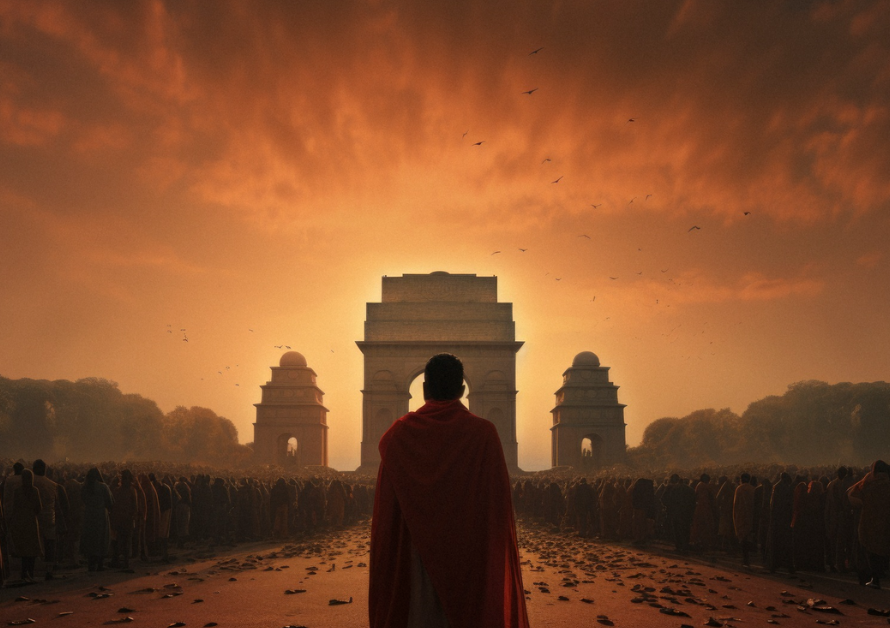
- India’s civilization has survived for thousands of years because it preserved its inner strength, knowledge traditions, and cultural memory. Across historical eras, scholars, saints, and thinkers sustained the intellectual and spiritual foundations of society, while warriors defended its physical boundaries.
- Today, the nature of conflict has changed—it is no longer fought with swords, but with ideas and narratives. Unfortunately, divisive politics based on caste and identity repeatedly attempts to fragment society, and many fall into that trap, weakening national unity.
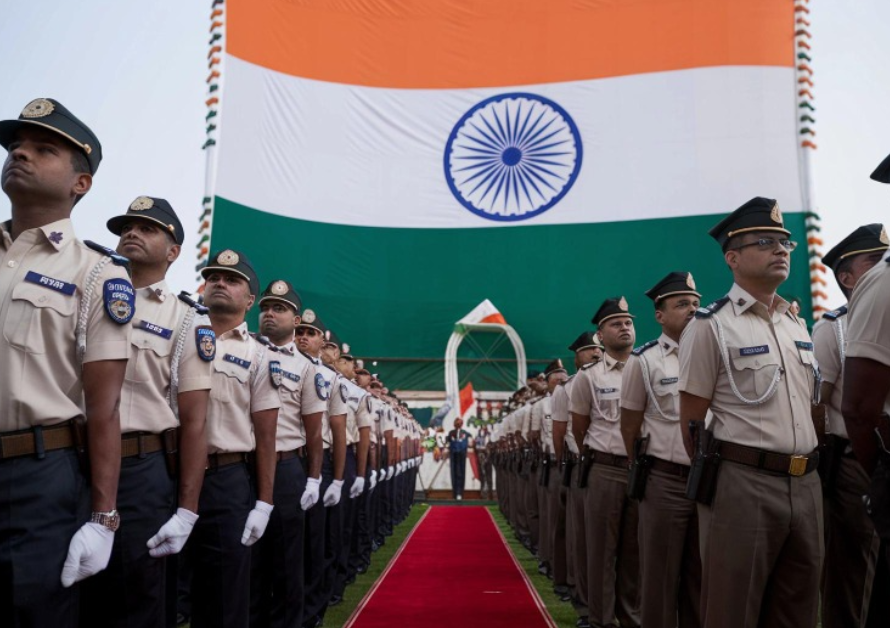
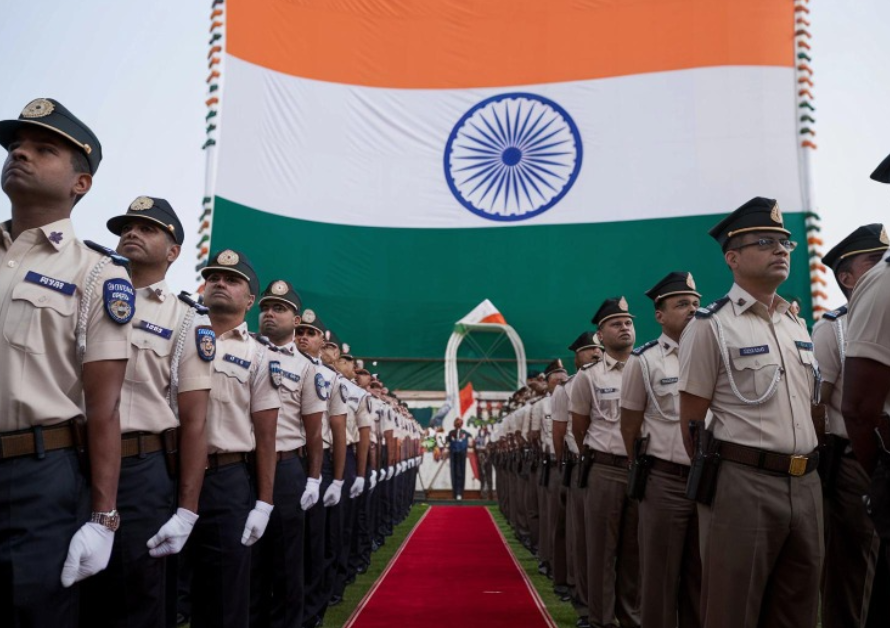
- If India is to emerge as a global superpower and reclaim its position as a modern “Vishwaguru,” it must rise above division, strengthen national cohesion, and support stable, visionary leadership committed to long-term progress.
Continuity of Indian Civilization and the Strength of National Self-Confidence
1️⃣ Introduction: The Tradition of Inner Strength
India’s history is not merely a record of changing rulers and empires. It is the story of a civilization that:
- Withstood repeated invasions
- Faced political instability
- Endured cultural challenges
Yet preserved its core identity.
Whenever material power clashed with moral power, India demonstrated that lasting victory comes:
- Not from weapons, but from wisdom
- Not from authority, but from truth
This civilizational resilience is India’s true strength.
2️⃣ The Role of Knowledge in Civilizational Continuity
Throughout history, there were periods when:
- Political power weakened
- Foreign influences dominated
- Social structures were destabilized
- Yet India’s cultural continuity survived.
This was possible because of:
- The preservation of philosophical traditions
- The transmission of scriptures and teachings
- The work of scholars and spiritual leaders
- The embedding of cultural values in everyday life
Protecting knowledge was not merely an intellectual task—it was an act of civilizational defense.
3️⃣ During Invasions: Intellectual and Moral Resistance
- Foreign invasions often aimed not only at territorial control but at undermining cultural identity.
- Temples were destroyed, centers of learning attacked, and traditions disrupted. These actions symbolized attempts to weaken the mental and spiritual foundations of society.
During such times:
- Warriors defended the land
- Scholars and spiritual leaders preserved thought, philosophy, and religious continuity
This balance between physical and intellectual resistance sustained the civilization.
4️⃣ Colonial Rule: The War of Narratives
- Under British rule, a new strategy evolved.
It was understood that to control India effectively:
- Education had to be reshaped
- History had to be reinterpreted
- Cultural self-confidence had to be weakened
Traditional knowledge systems were dismissed as backward, and psychological dependency was encouraged.
- However, India’s freedom struggle was not only a political movement—it was also a movement to restore civilizational confidence and intellectual sovereignty.
5️⃣ Modern Times: The Politics of Division
- Today, the battlefield has shifted again.
The struggle is now:
- Ideological
- Narrative-driven
- Identity-based
A recurring strategy in politics is:
- Dividing society along caste lines
- Reigniting historical grievances
- Setting one section against another
- Encouraging emotional polarization
The unfortunate reality is:
- Each time the caste division card is played, many among us fall into the trap.
This weakens national unity and distracts from larger goals.
6️⃣ The Consequences of Internal Division
When society becomes fragmented:
- National energy is wasted in internal conflict
- Development slows
- Political instability increases
- Long-term strategic goals weaken
History shows that internal disunity makes nations vulnerable and prevents them from becoming enduring powers.
7️⃣ The Need for Maturity and Strategic Awareness
- It is time for collective introspection.
We must:
- Move beyond emotional reactions
- Reject caste-based provocation
- Embrace mutual respect
- Recognize that civilization is a collective achievement
India is not built on one pillar alone. It rests upon:
- Intellectual traditions
- Defense and sacrifice
- Economic enterprise
- Labor and production
All contribute to the nation’s strength.
8️⃣ National Leadership and Global Vision
If the objective is:
- To transform India into a global superpower
- To achieve economic and technological self-reliance
- To strengthen cultural confidence
- To increase strategic influence
Then the following are essential:
- Political stability
- Clear national vision
- Strong and decisive leadership
- Social cohesion
Becoming a “Vishwaguru” is not merely symbolic—it requires comprehensive national strength.
9️⃣ What Is Needed to Become a Vishwaguru?
For India to lead globally, it must ensure:
- Sustained economic growth
- Technological innovation
- Robust defense capability
- Educational transformation
- Social harmony
None of these can flourish in an environment of division.
🔟 Self-Reflection: Our Responsibility
We must ask ourselves:
- Will we continue to fall for divisive politics?
- Will we allow emotional narratives to override strategic thinking?
- Or will we prioritize long-term national interest?
Unity accelerates progress. Division slows it down.
🔚 Unity Is Strength
India’s civilization endured because it:
- Preserved memory
- Maintained inner strength
- Upheld patience and balance
Today, the need is:
- To rise above division
- To demonstrate political maturity
- To strengthen national unity
If we remain aware, organized, and committed to national progress,
India’s future can indeed be transformative.
- The path toward becoming a global superpower and a modern Vishwaguru lies through unity, strategic clarity, and unwavering national commitment.
🇮🇳 Jai Bharat, Vandematram 🇮🇳
Read our previous blogs 👉 Click here
Join us on Arattai 👉 Click here
👉Join Our Channels 👈