Summary
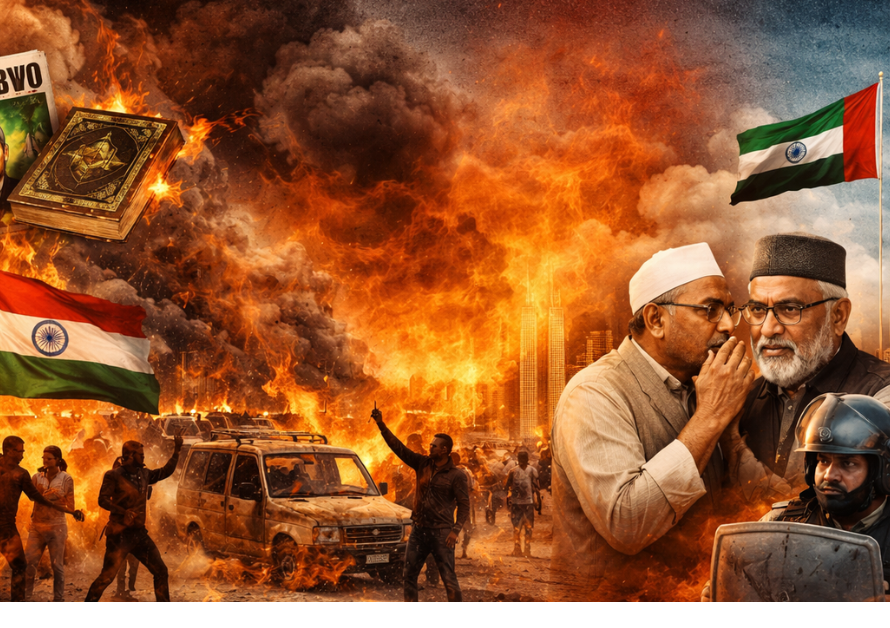
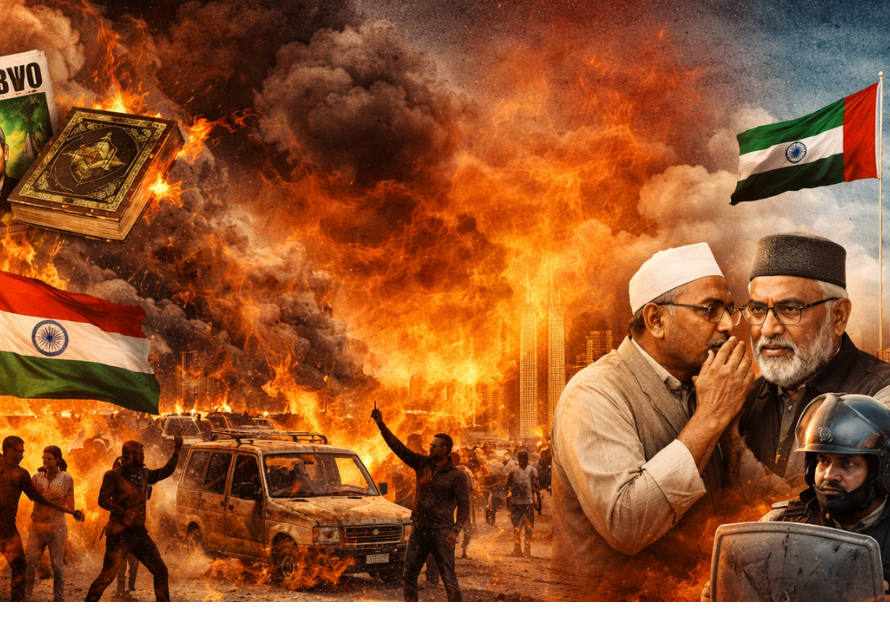
- For decades, extremism and terrorism were tolerated, rationalized, or selectively confronted under the guise of liberalism, political correctness, or short-term political interests.
- That era is now ending. Across Europe, the West, the Middle East, and Asia, governments are adopting stricter laws, tougher enforcement, economic pressure, intelligence cooperation, and diplomatic isolation to dismantle terror ecosystems.
- In this global shift, India’s integrated model—combining security operations, economic pressure, and diplomacy—offers a powerful role model for a coordinated international response to defeat extremism by cutting off its money, legitimacy, and safe havens.
The Global Awakening Against Extremism and Terrorism
1️⃣ The Global Mood Has Changed: Fatigue With Extremism
The world has finally reached a breaking point.
- Repeated terror attacks, radicalized enclaves, and social fragmentation exposed the failure of appeasement
- Selective application of laws emboldened extremist ideologies
- Identity politics and vote-bank calculations weakened state resolve
- Terror networks exploited legal loopholes, charities, NGOs, and digital platforms
Today, a hard truth is widely accepted:
- Extremism cannot be managed—it must be dismantled
- Tolerance cannot mean surrender
- Democracy cannot survive without security
This realization is now shaping policy, law, and enforcement across continents.
2️⃣ Europe’s Awakening: From Denial to Decisive Enforcement
Europe, having paid a heavy price, has begun correcting course with concrete actions:
🇫🇷 France
- Banned radical Islamist organizations and dissolved extremist groups
- Shut down extremist mosques and ideological centers
- Enforced strong anti-separatism laws
- Deported radicalized foreign nationals
- Asserted that secularism and national security are non-negotiable
🇩🇪 Germany
- Expanded domestic intelligence and surveillance powers
- Tightened laws on extremist financing
- Cracked down on Islamist, far-left, and violent ideological networks
- Strengthened protection of critical infrastructure
🇬🇧 United Kingdom
- Strengthened counter-terror and de-radicalization frameworks
- Banned extremist organizations
- Increased monitoring of online radicalization
- Acted against hate preachers and terror sympathizers operating under activist cover
🇪🇺 Wider Europe & EU Level
- Austria, Denmark, Sweden, Netherlands tightened immigration and asylum laws
- Residency and citizenship tied to constitutional values and public security
- EU enhanced intelligence sharing, terror-financing controls, asset freezes, and sanctions against foreign-backed extremist networks
Key shift: Not just new laws—but firm implementation.
3️⃣ Beyond Europe: A Worldwide Convergence
This tougher stance is now visible globally:
🇺🇸 United States
- Expanded scrutiny of extremist financing
- Designated radical organizations
- Tightened visa, border, and financial controls
- Cracked down on foreign terror funding pipelines
🇨🇦 Canada
- Banned extremist outfits
- Froze assets and strengthened terror-financing laws
- Closed loopholes in charity and asylum frameworks
🇦🇺 Australia
- Enacted some of the world’s toughest counter-terror laws
- Criminalized extremist propaganda and pre-emptive plotting
- Empowered intelligence agencies to act early
🇳🇿 New Zealand
- Strengthened intelligence oversight
- Tightened laws against ideological extremism
🇯🇵 Japan
- Enhanced counter-terror financing laws
- Increased surveillance of transnational extremist networks
- Strengthened critical infrastructure protection
Middle East
- Several states dismantled radical clerical networks
- Shut down extremist funding channels
- Criminalized ideological incitement after learning from past blowback
🇮🇱 Israel
- Continues intelligence-driven, pre-emptive counter-terror operations
- Targets planners, financiers, recruiters, and command structures—not just attackers
Across systems and cultures, the conclusion is the same:
- Extremism survives on money, legitimacy, and safe havens. Remove these, and it collapses.
4️⃣ India’s Integrated Model: A Blueprint for the World
- Amid this global shift, India’s approach stands out as a comprehensive role model.
India has demonstrated that counter-terrorism is not only about reactive military strikes. Strategic responses—often described as Operation Sindoor–type actions—reflect a multi-dimensional doctrine:
🔹 Core Elements of India’s Model
- Targeting entire terror ecosystems, not isolated attackers
- Combining security operations, intelligence, economics, and diplomacy
- Raising the cost of terror sponsorship for hostile states
- Applying economic, trade, regulatory, and diplomatic pressure
- Exposing and isolating ideological, logistical, and financial enablers
India’s calibrated pressure—particularly against terror-sponsoring or enabling networks linked to Pakistan, and routes involving Bangladesh and Turkey—shows how economic warfare and diplomatic isolation can weaken extremist infrastructure without reckless escalation.
Key lesson:
- Terrorism is not just a security issue—it is a financial, ideological, and geopolitical enterprise.
5️⃣ Toward a Coordinated Global War on Extremism
India’s experience points to what the world must now do collectively:
🌐 Strategic Global Actions Needed
- Pool global intelligence and resources to map terror outfits, leadership, training hubs, recruiters, and sleeper cells
- Share real-time intelligence on funding channels, charities, NGOs, shell companies, and digital platforms
Coordinate economic warfare:
- Sanctions
- Asset freezes
- Banking and trade restrictions
- Isolate habitual offenders diplomatically and economically
- Prosecute ideological enablers and supporters through legal frameworks
- Dismantle propaganda ecosystems and online radicalization networks
The objective is systematic neutralization, not chaos:
- Cut funding at the source
- Strip legitimacy
- Deny safe havens
- Collapse recruitment and logistics
6️⃣ The Emerging Global Consensus
Across nations, a shared understanding is emerging:
- Extremism thrives on fragmentation and hesitation
- Terror networks exploit jurisdictional gaps and financial opacity
- Democracies remain safe only when security cooperation overrides ideological blind spots
India’s model proves that:
- Firmness does not mean recklessness
- Pressure does not require panic
- Coordination does not need apology
🔚 A Civilizational Turning Point
- The fight against extremism and terrorism has entered a new and decisive phase.
By combining:
- Europe’s enforcement awakening
- The West’s legal and financial crackdowns
- Israel’s intelligence-driven precision
- And India’s integrated security-economic-diplomatic strategy
The world now has a clear blueprint to dismantle extremist networks, choke their funding, expose their supporters, and reduce their capacity to threaten humanity.
- Peace requires strength.
- Tolerance requires limits.
- And global security requires unity of purpose.
🇮🇳 Jai Bharat, Vandematram 🇮🇳
Read our previous blogs 👉 Click here
Join us on Arattai 👉 Click here
👉Join Our Channels👈