A Sanatani Homage to Sacrifice, Roots, and Civilizational Memory 🚩
1. A Silent Question We Must Ask Ourselves
- As years pass, it is becoming increasingly common to see Hindu households celebrating Christmas with greater enthusiasm than even many Christian families.
- Decorations, Santa stories, cakes, gifts, and “Merry Christmas” greetings have quietly entered Hindu homes—often without reflection.
At first glance, this appears harmless. But beneath this surface lies a deeper civilizational question:
- Are we truly giving our children joy?
- Or are we unknowingly allowing them to drift away from their own identity?
- Are we enriching their worldview—or slowly erasing their cultural memory?
Festivals are not neutral events. They shape imagination, memory, and belonging.
2. 25 December in Sanatana Dharma: Tulsi Vivah, Not Cultural Amnesia
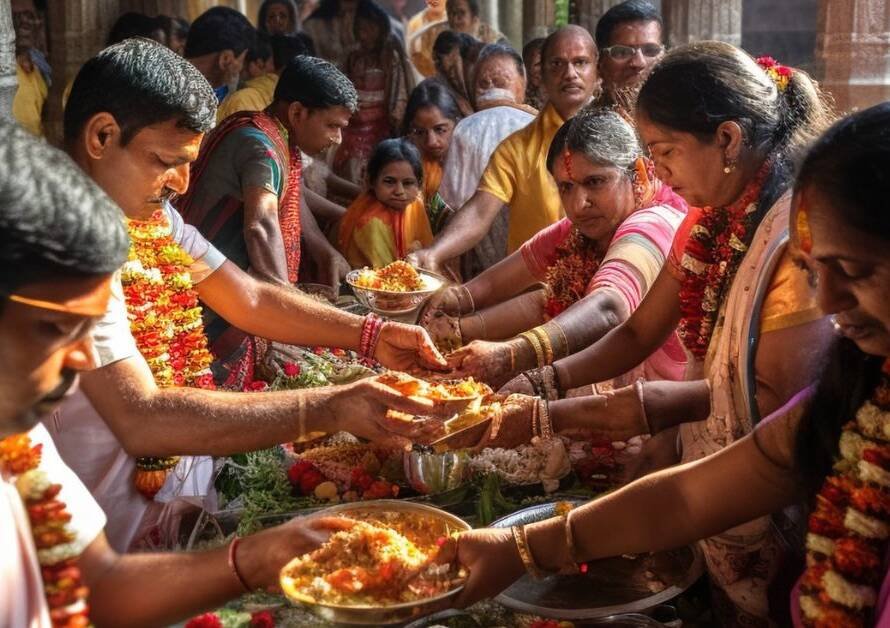
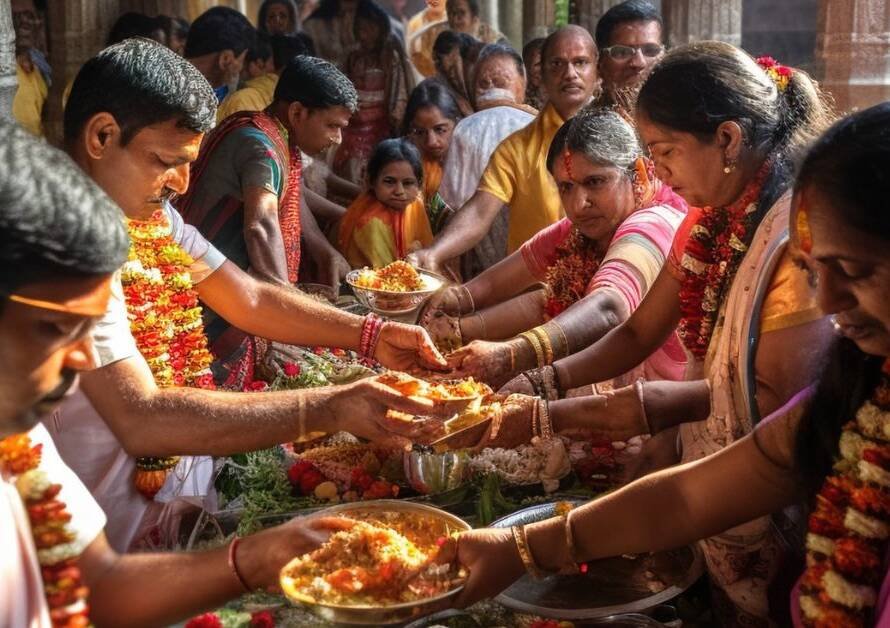
- Very few Hindu families today are aware that 25 December is traditionally observed as Tulsi Vivah in Sanatana Dharma.
Tulsi Vivah symbolizes:
- Purity, devotion, and sacrifice
- Harmony between nature and divinity
- The sanctity of marriage as a dharmic responsibility
- Respect for feminine and ecological power
Teaching children about Tulsi Mata and Vishnu–Shaligram Vivah gives them:
- Cultural confidence
- Spiritual grounding
- A sense of continuity with their ancestors
If we do not tell our children what 25 December means in our civilization, someone else will define its meaning for them.
3. Shahidi Week: Remembering the Price of Freedom and Faith
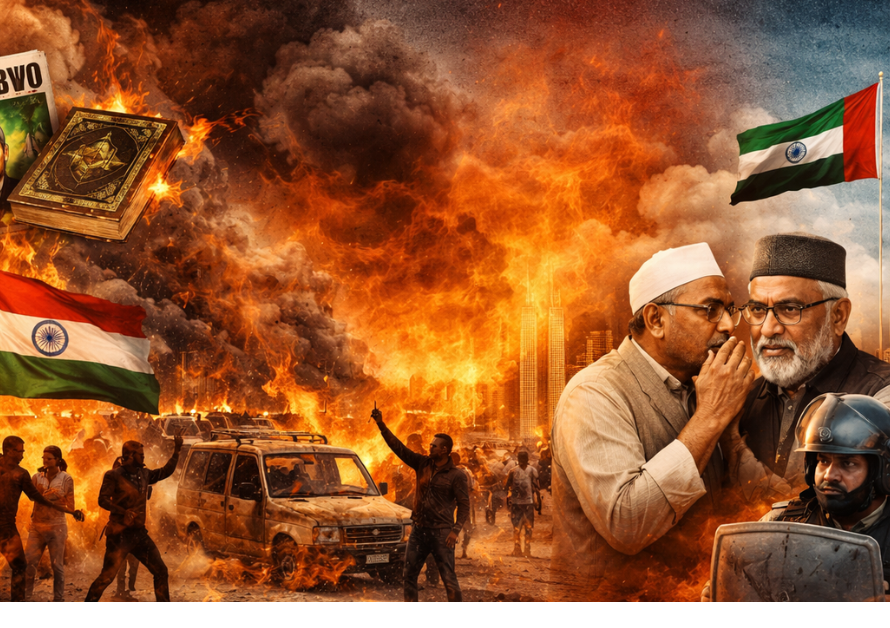
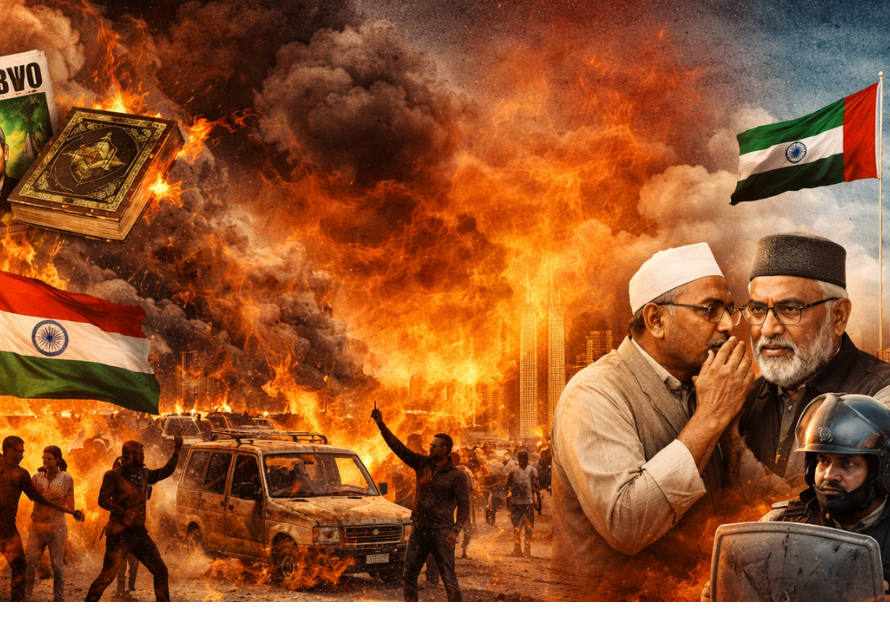
- The last week of December is also Shahidi Week—a period soaked in sacrifice.
Sikh Gurus and the Ultimate Stand for Dharma
- Guru Tegh Bahadur Ji laid down his life to protect religious freedom—not only for Sikhs, but for all of Bharat.
- Guru Gobind Singh Ji’s Sahibzade were bricked alive for refusing to abandon Dharma.
Sanatani Kings and Warriors
- Maharana Pratap, who chose hardship over submission
- Chhatrapati Shivaji Maharaj, who defended Dharma and Swarajya
- Rani Durgavati, Raja Suheldev, Lachit Borphukan
- Tribal icons like Birsa Munda, who fought both colonial rule and cultural destruction
These were not mythological figures. They were real protectors of Bharat—yet their stories are missing from most classrooms.
4. A Hard Truth: 70 Years of Educational Neglect and Historical Distortion
One of the most painful realities we must acknowledge is this:
- For nearly seven decades after Independence, Indian governments systematically neglected teaching Sanatana Dharma and mutilated Indian history in school education.
What was done?
- Sanatana Dharma was excluded from curriculum, treated as regressive or irrelevant
- Muslim invaders were glorified as great rulers and nation-builders
Sanatani kings and warriors who resisted invasions were either:
- Reduced to footnotes
- Or erased altogether
The freedom struggle was selectively narrated, ignoring:
- Armed revolutionaries
- Tribal uprisings
- Spiritual resistance movements
The result?
Generations of Hindu children grew up:
- Knowing more about Mughal courts than their own kings
- Feeling cultural embarrassment instead of pride
- Detached from temples, traditions, and festivals
- Cut off from their Sanatani civilizational roots
This intellectual disconnection did not happen accidentally. It was the continuation of colonial thinking, even after the British left.
5. Macaulay’s Shadow and the Cut from Our Roots
The British understood one thing clearly:
- India cannot be enslaved as long as its Sanatana consciousness survives.
That is why:
- Gurukuls were dismantled
- Indigenous knowledge systems were ridiculed
- Indian traditions were branded “backward”
- Western culture was portrayed as superior
- Sadly, post-Independence governments continued this mindset, replacing colonial rulers but not colonial thinking.
Festivals like Christmas and foreign cultural symbols were normalized, while:
- Holi and Diwali were problematized
- Hindu traditions were questioned
- Sanatana identity was diluted
6. Tribal Society, Conversions, and Economic Exploitation
Another painful reality:
- Large sections of tribal society are being targeted for conversion
- Poverty is used as the main tool
- Foreign funding fuels missionary activity
This is not about faith—it is about economic vulnerability.
True solution:
- Economic upliftment
- Education rooted in culture
- Restoring pride in tribal Sanatana heroes like Birsa Munda
- Reconnecting tribals with their civilizational identity
Dharma cannot survive on sermons alone—it survives through dignity and opportunity.
7. Why This Matters for Our Children
Children learn identity through:
- Stories they hear
- Festivals they celebrate
- Heroes they admire
If we do not:
- Teach them Tulsi Vivah
- Explain Shahidi Week
- Tell them about Sanatani kings and freedom fighters
Otherwise someone else will shape their worldview.
- This is not intolerance. This is civilizational self-respect.
8. A Balanced Path Forward
This is not about opposing any religion or festival.
It is about:
- Stopping blind imitation
- Ending cultural inferiority
- Restoring truth in education
- Passing on heritage with confidence
We can respect others without forgetting ourselves.
9. Culture Is the Greatest Inheritance
Our ancestors:
- Protected Bharat from invaders
- Resisted colonial rule
- Preserved Dharma through sacrifice
The least we can do is:
- Remember them
- Teach our children the truth
- Celebrate our own festivals with pride
👉 On 25 December, light a lamp for Tulsi Mata
👉 Remember the Shahids who gave their lives for Dharma
👉 And give your children the greatest gift of all—identity
Because:
- A nation that forgets its roots eventually forgets itself and becomes History .
🚩 The choice is ours.
🇮🇳Jai Bharat, Vandematram 🇮🇳
For old Blogs please visit our website www.saveindia108.in
👉Join Our Channels👈