1. From Independence to 2014: An Era of Governance Failure
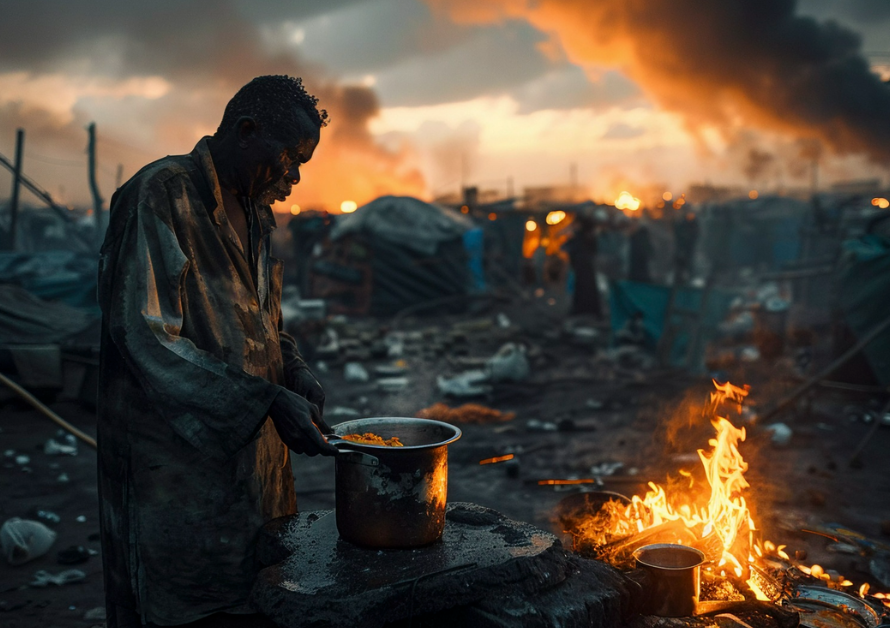
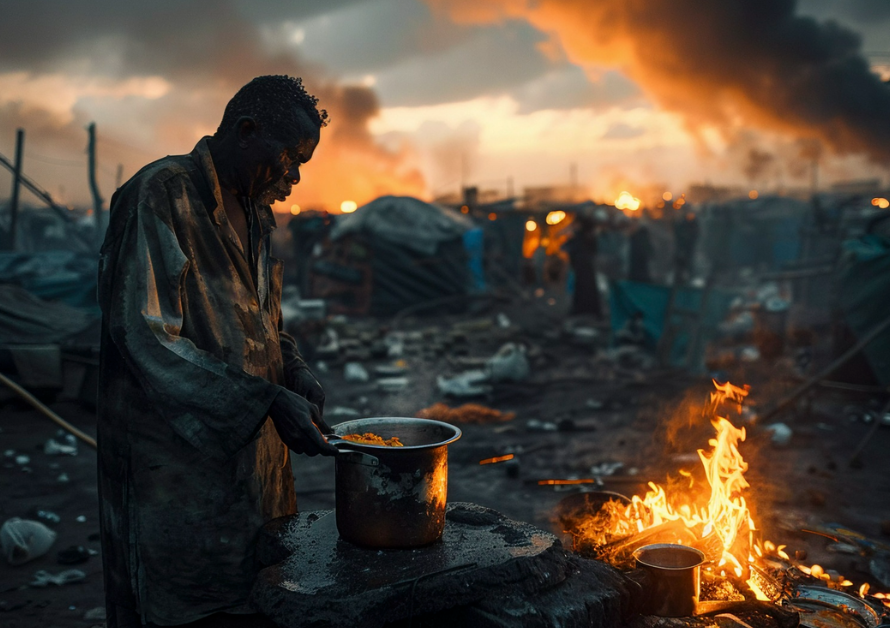
- After Independence, despite its deep civilizational heritage and vast human potential, India struggled for decades with weak governance and institutional inefficiency. Policies were framed, but execution remained poor.
The key problems of this period included:
- Widespread corruption and major scams, leading to large-scale plunder of national resources
- Vote-bank politics, where appeasement replaced equal application of law
- Marginalization of Hindu society and Sanatana Dharma, especially in education and public discourse
- Political protection for mafias, extremism, and anti-social elements
- Weak internal security and prolonged policy paralysis
Outcome:
- India lagged economically,
- trust in institutions eroded, and
- citizens gradually accepted insecurity and corruption as “normal.”
India was never a weak civilization—but it became an under-governed state.
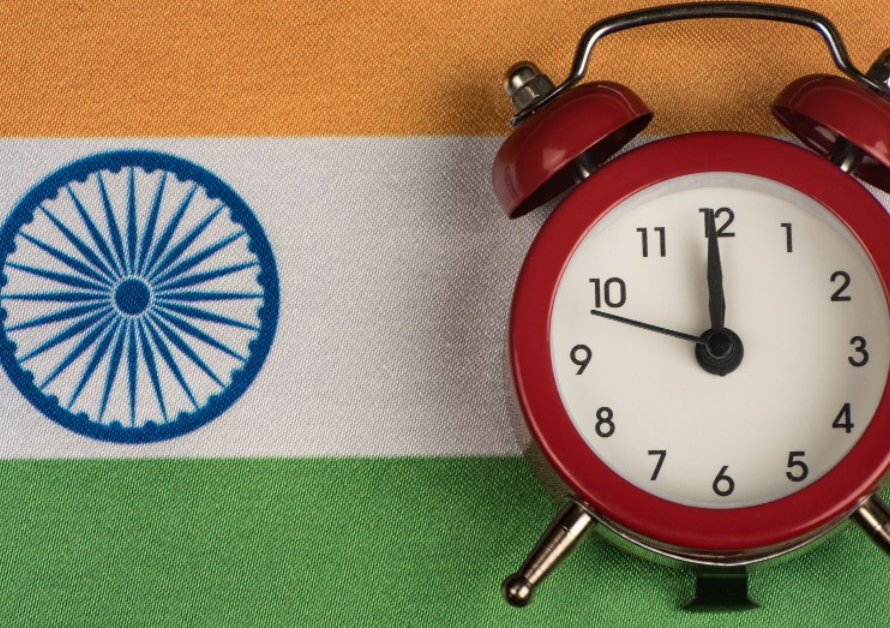
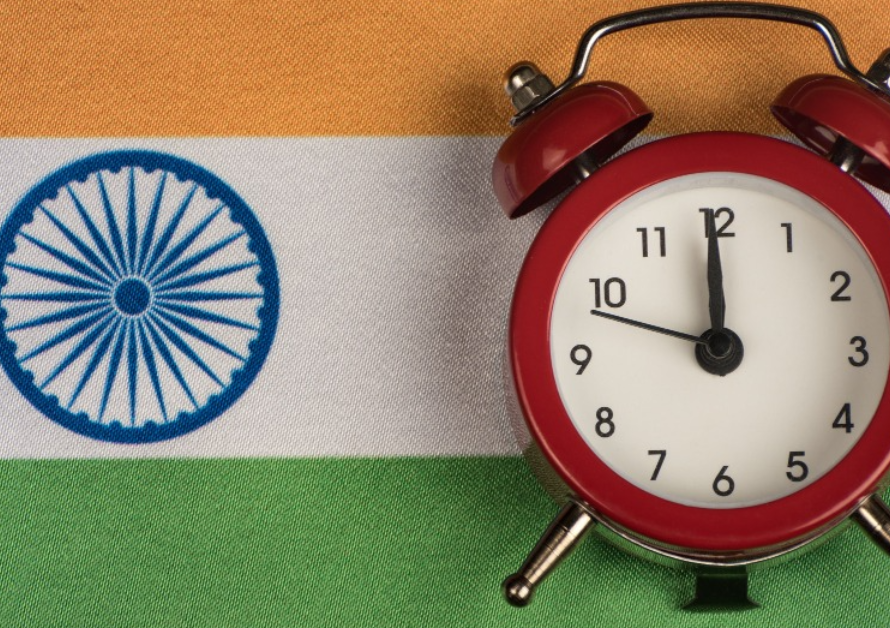
2. 2014: A Political and Psychological Shift
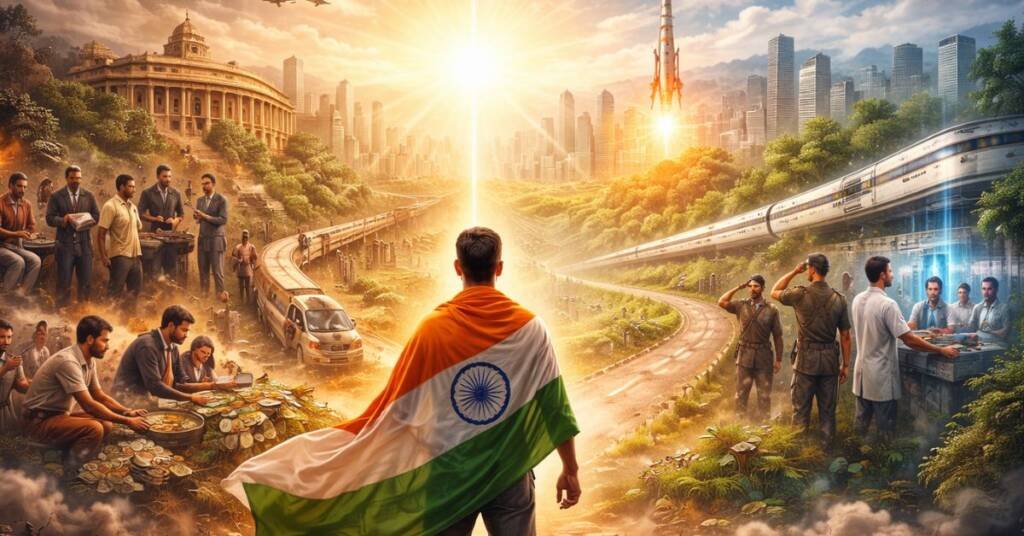
The year 2014 marked a decisive change. A new governance approach became visible, defined by:
- Faster decision-making and clear accountability
- Lower tolerance for corruption and policy ambiguity
- National interest placed above vote-bank calculations
- Cultural confidence without apology or hesitation
For the first time in decades, citizens felt the state was acting instead of delaying.
3. A Changed National Direction in One Decade
In the years that followed, several long-standing trends were reversed:
- India became the fourth-largest economy
- Emerged as the fastest-growing major economy
- Rapid expansion in infrastructure, digital systems, and manufacturing
- Shift in the defense sector from heavy imports toward exports
- Restoration of civilizational confidence, with cultural identity regaining respect in public life
This was not merely economic progress—it marked the return of national self-belief.
4. Why the Old Ecosystem Feels Unsettled
This transformation unsettles forces that once thrived on:
- Confusion and corruption
- Economic dependence
- Cultural detachment
- Weak enforcement
As a result, resistance to reform now takes the form of:
- Misinformation
- Manufactured agitation
- Attempts to weaken institutions
5. The Real Question Today
The debate today is not about individuals or political parties—it is about direction:
- Fragility or strength
- Appeasement or equal law
- Dependence or self-reliance
India stands at a rare historical crossroads.
Protecting the Ascent
India’s journey from fragility to confidence has begun. Sustaining this momentum depends on informed citizens, institutional stability, and national unity.
- This transformation is not the responsibility of one government alone—it belongs to the entire nation.
🇮🇳 Jai Bharat, Vandematram 🇮🇳
Website: https://www.saveindia108.in
Email: info@saveindia108.com
Old Blogs: https://saveindia108.in/our-blog/
WhatsApp: https://tinyurl.com/4brywess
Arattai: https://tinyurl.com/mrhvj9vs
Telegram: https://t.me/+T2nsHyG7NA83Yzdl