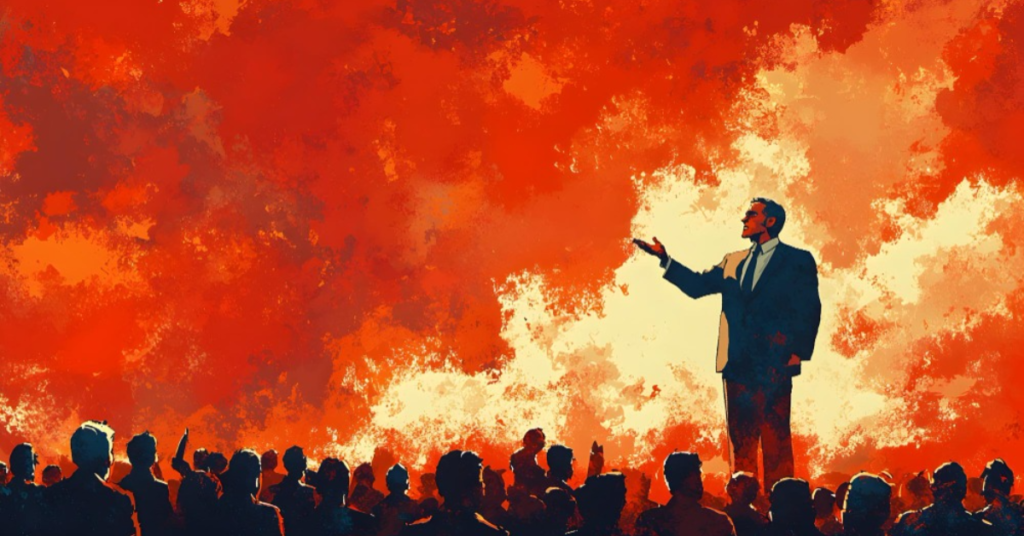
Summary
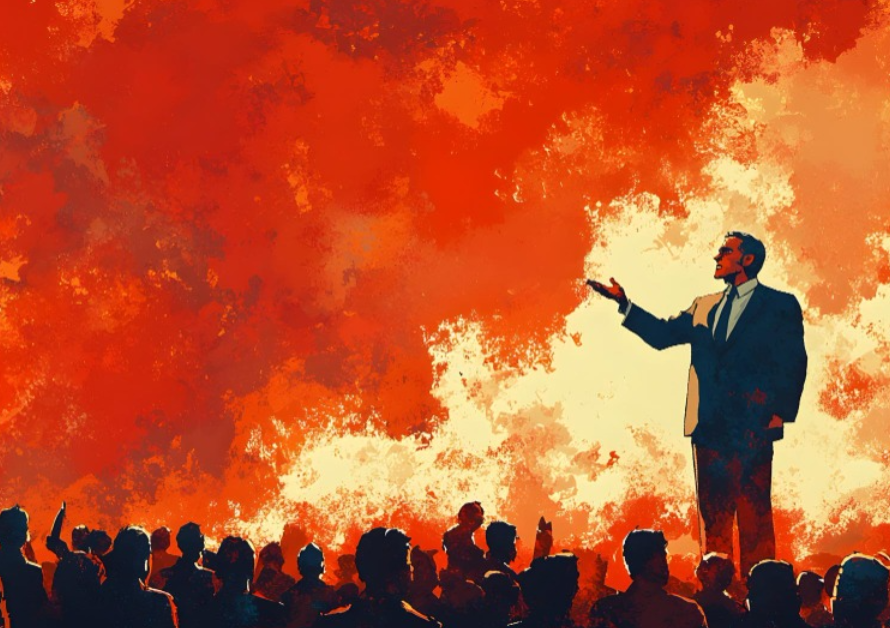
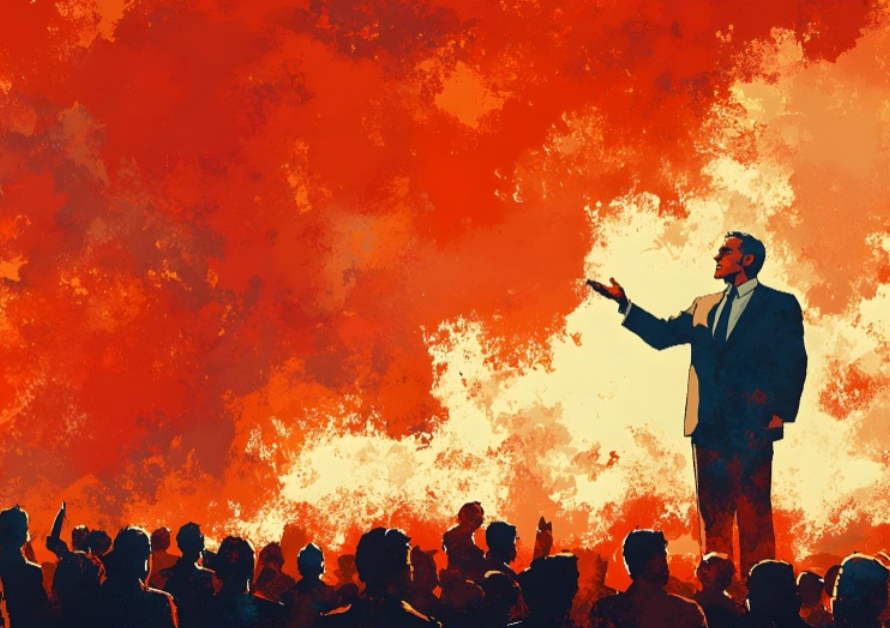
- The slogan “Modi teri qabr khudegi” is not an isolated outburst or a spontaneous chant. It has appeared repeatedly across different movements, platforms, and years—from agitation politics to campus protests to policy debates.
- Its persistence reveals not dissent, but a dangerous normalization of violent imagery and institutional intimidation.
- Democracies thrive on disagreement, but they collapse when threats are disguised as protest. India must now draw a clear constitutional line.
Modi Teri Qabr Khudegi
1) Why This Slogan Matters More Than It Seems
In a democracy, words matter. Slogans shape attitudes, legitimize behavior, and signal intent.
- “Modi teri qabr khudegi” is not a critique of policy.
- It does not argue, persuade, or propose alternatives.
- It invokes death, elimination, and intimidation—directed at an elected constitutional authority.
This makes it fundamentally different from sharp criticism or satire. It crosses into threatening symbolism, which democracies worldwide treat with seriousness because of its corrosive effect on civic norms.
2) A Pattern Repeated Across Multiple Occasions
- What makes this slogan particularly concerning is its recurrence. It has surfaced:
During the so-called farmers’ agitation, often amplified through charged rhetoric
- In CAA protests, many of which were driven by misinformation and fear-mongering
- On university campuses, where political expression often slips into radical posturing
- During policy debates, including education and regulatory reforms
The issues changed, the actors changed, but the language remained the same.
- This repetition shows that the slogan is not accidental or emotional—it is part of an aggressive political script designed to intimidate rather than debate.
3) Dissent vs. Threat: Where Democracy Draws the Line
Democracy guarantees:
- Freedom of speech
- The right to protest
- The right to criticize the government
Democracy does not guarantee:
- Threats, explicit or symbolic
- Violent imagery directed at individuals or institutions
- Language intended to terrorize, not persuade
Words like “grave” and “bury” are not neutral. They carry violent connotations. When such language is repeatedly excused as “emotion” or “sloganism,” the democratic immune system weakens.
- No constitutional order can survive if intimidation is normalized as expression.
4) How Did This Become Acceptable? The Role of Appeasement
- The normalization of such slogans did not happen in a vacuum.
For decades:
- Laws were applied selectively, not uniformly
- Radical political language was tolerated for electoral convenience
- “Secularism” was misused as a shield to avoid firm action
- Institutions hesitated, fearing political backlash
The unintended result:
- Extremist language became bolder
- Threats began to look like “courage”
- Moderate, democratic voices were pushed out of the discourse
When the state hesitates to enforce boundaries, the loudest and most aggressive voices take over.
5) This Is an Attack on Institutions, Not Just a Leader
The slogan targets more than an individual.
- Narendra Modi is not merely a person—he is an elected Prime Minister, chosen through a democratic mandate.
Threatening language aimed at him:
- Undermines the people’s mandate
- Disrespects constitutional authority
- Signals contempt for democratic outcomes
Disagree with policies—vigorously. Reject leaders—electorally. But threaten neither.
6) The Misuse of Secularism and Free Speech
True secularism means:
- Equality before law
- Neutrality of the state
- Zero tolerance for extremism of any kind
It does not mean:
- Immunity for intimidation
- Silence in the face of threats
- Excusing violent rhetoric as “expression”
Similarly, free speech protects criticism—not coercion.
When threats are defended as speech, free speech itself is weakened.
7) Why Continued Inaction Is Dangerous
If such slogans continue to go unchecked:
- Intimidation will be normalized
- Copycat radicalism will spread
- Institutions will lose moral authority
- Public trust in democracy will erode
History shows that democracies rarely collapse overnight. They decay when boundaries blur and norms are abandoned.
8) What Must Be Done: Clear Constitutional Response
- This is not about censorship. It is about constitutional discipline.
Immediate, lawful steps required:
- Strict enforcement of existing laws against threats and incitement
- Clear judicial guidance distinguishing dissent from intimidation
- Swift handling of cases involving threats to constitutional order
- Public reaffirmation that no slogan is above the Constitution
Firm action today prevents greater instability tomorrow.
9) A Message to Citizens
- Protest strongly.
- Debate fiercely.
- Criticize relentlessly.
But ensure:
- Language remains civil
- Arguments remain factual
- Dissent does not become intimidation
Because:
- Threats don’t change policy
- Dialogue strengthens democracy
Final Word
- “Modi teri qabr khudegi” is not an isolated chant. It is repeated incitement, and repetition makes it dangerous.
- A mature democracy must now say—clearly and collectively: This line should not be crossed.
🇮🇳 Jai Bharat, Vandematram 🇮🇳
Read our previous blogs 👉 Click here
Join us on Arattai 👉 Click here
👉Join Our Channels 👈