Summary:
- If Bharat, Sanatana Dharma, and the Hindu community are to prosper for generations, the most urgent reform is internal.
- Numerical majority alone does not secure a civilisation; mindset, discipline, unity, and action do.
- This narrative argues for a decisive shift—from selfish priorities to community welfare; from ritual-only religion to Sanatana Dharma as a practical way of life; and from political apathy to democratic discipline, especially voting as a civic duty.
- It calls upon spiritual leadership and social organisations to guide citizens toward lived dharma, social responsibility, and national service—so that India’s rise becomes inevitable and enduring.
Why mindset, unity, and disciplined participation not numbers alone decide the future
1. The Core Truth: Majority Without Mindset Is Powerless
Hindus are a large majority in Bharat, yet persistent challenges remain. The reason is not merely external pressure but internal habits:
- complacency born of numbers,
- fragmented priorities,
- weak civic participation, and
- religion reduced to transactions.
Civilisations are not protected by population size; they are preserved by shared purpose and disciplined action.
2. The Cost of Self-Centric Priorities
Over decades, many have prioritised:
- personal jobs and promotions over community engagement,
- family comfort over civic duty,
- entertainment and consumption over social participation,
- wealth accumulation detached from responsibility.
This has produced:
- political apathy,
- loss of collective leverage,
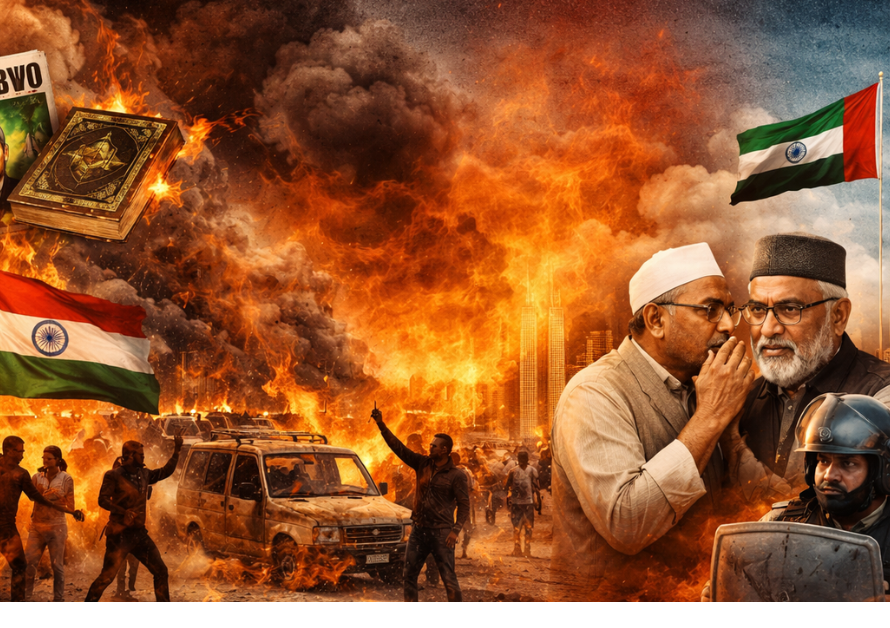
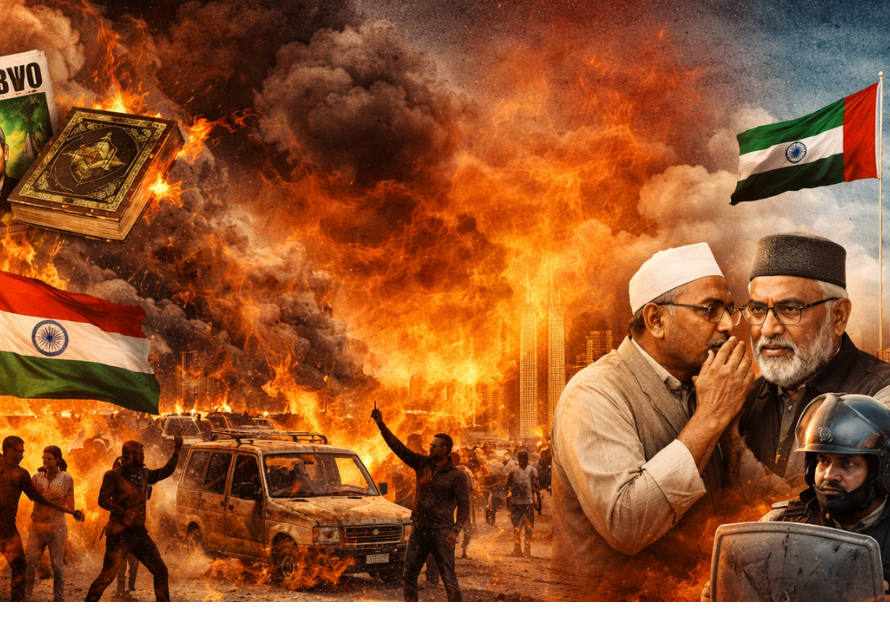
- and surrender of public space to more organised groups.
A civilisation cannot be safeguarded in spare time.
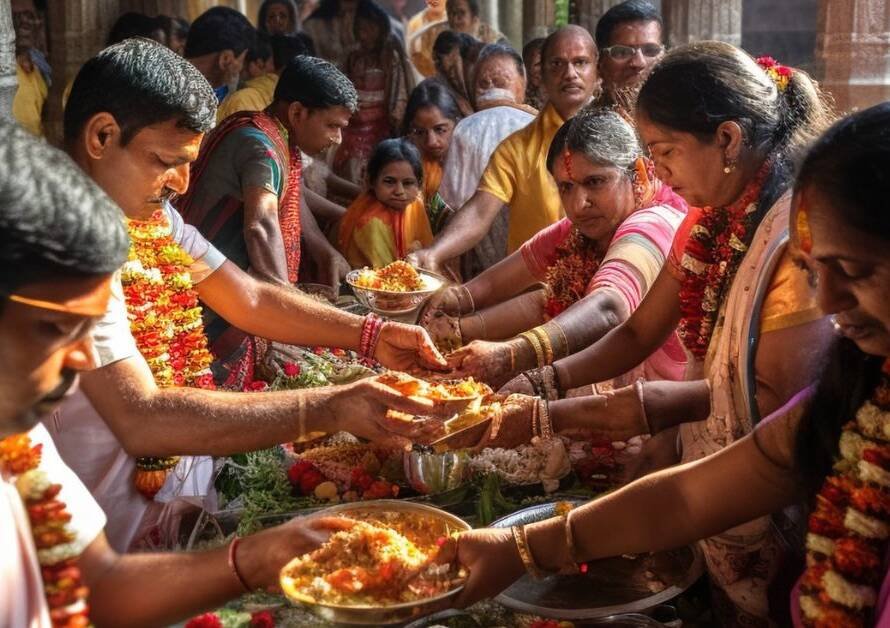
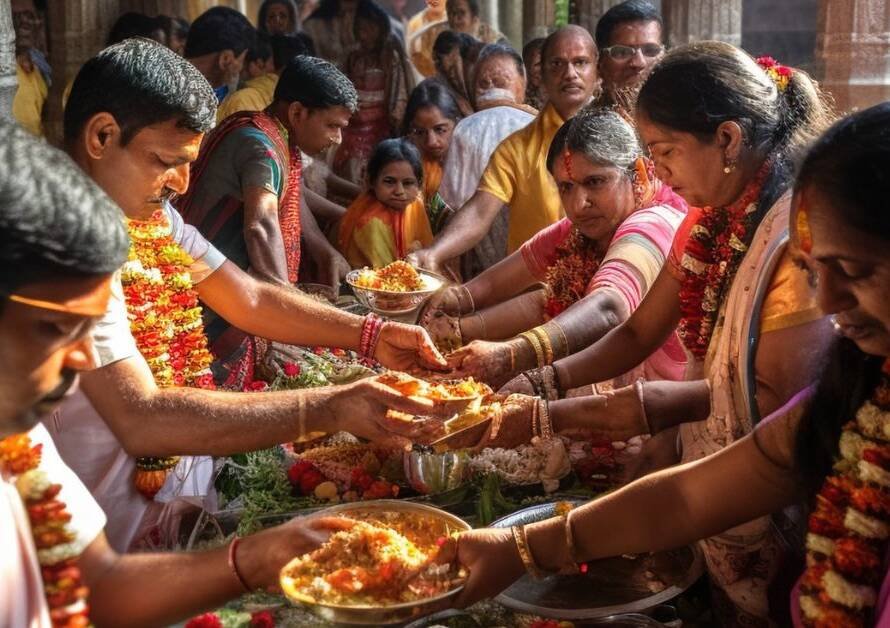
3. Sanatana Dharma: A Way of Life, Not a Transaction
Sanatana Dharma was never meant to be confined to:
- fear-driven rituals to avoid naraka,
- donations to purchase swarga,
- or devotion as a bargain for personal desires.
At its heart, Sanatana Dharma teaches:
- Dharma (duty) over entitlement,
- Kartavya (responsibility) over convenience,
- Samaj (society) over self,
- Lok-kalyan (collective welfare) over individual gain.
When Dharma is lived daily—through ethics, service, courage, and civic action—it strengthens civilisation. When it is reduced to ritual alone, it weakens it.
4. Theory Over Action: The Execution Gap
Hindu society excels in philosophy and debate, yet often struggles with execution:
- endless analysis without follow-through,
- social-media opinions replacing ground work,
- criticism without contribution.
Civilisations are saved not by arguments alone but by consistent, organised action.
5. Ego and Fragmentation: The Enemy Within
Internal divisions persist across:
- caste, region, language, sect, and organisation,
- personal recognition over collective success,
- “my group vs yours” thinking.
Consequences include:
- poor coordination,
- diluted messaging,
- and missed opportunities for scale.
Unity does not erase diversity; it organises it around shared survival and progress.
6. Spiritual Leadership: From Ritual Focus to Social Guidance
A critical reform is needed within the spiritual ecosystem.
Too often:
- devotees are kept busy in rituals without civic guidance,
- discourse revolves around paap–punya and swarga–naraka alone,
- spirituality has become transactional,
- institutions expand assets while avoiding societal engagement.
What is needed instead:
- teaching Sanatana philosophy as lived ethics,
- guidance on duty, courage, unity, and service,
- linking spirituality with citizenship and nation-building,
- preparing individuals to be ethical, disciplined, and socially active.
Spirituality without social responsibility cannot sustain a civilisation.
7. Social Organisations: From Silos to Strategy
Even pro-Sanatana and social groups often suffer from:
- ego conflicts,
- leadership rivalries,
- isolationism,
- lack of a shared national strategy.
The result:
- duplicated effort,
- wasted energy,
- diminished impact.
Working together with a common strategy is not compromise—it is civilisational necessity.
8. Democracy as Dharma: Voting Is a Civic Duty
In a democracy, voting is dharma.
- Voting is not optional; it is a responsibility.
- Low turnout weakens nationalistic forces.
- Disciplined voting strengthens collective outcomes.
If the Hindu community:
- treats voting as a duty,
- participates in very high numbers (90% or more),
- and supports nationalistic, pro-Sanatana governance,
then democratic outcomes will consistently reflect national interest.
- Democracy rewards discipline—not sentiment.
9. Political and Social Participation Must Be Continuous
No government—however capable—can protect a passive society.
- Laws need social backing.
- Reform needs public legitimacy.
- Governance needs consistent support.
Citizens must:
- stay engaged beyond elections,
- defend institutions with facts and participation,
- build local networks of service and awareness.
Civilisations endure when people act, not just vote.
10. Unity Beyond Identity: The Non-Negotiable
Progress requires unity beyond:
- caste,
- region,
- language,
- sect,
- and personal ego.
Shared civilisational interest must come first. Without unity, numbers fragment; with unity, diversity becomes strength.
11. The Choice Before Us
If we continue with:
- selfish ambition,
- ritual-only religion,
- ego-driven fragmentation,
- and political passivity,
the challenges faced since Independence will persist.
But if we choose:
- community welfare alongside personal growth,
- Dharma as a lived principle,
- voting as a sacred civic duty,
- unity over ego,
- action over excuses,
then Bharat’s rise is inevitable—and Sanatana Dharma will flourish as a living, guiding force, not mere nostalgia.
Responsibility Is the Real Revival
The future is not decided by adversaries
- It is decided by our discipline, unity, and resolve.
>From ritual to responsibility.
>From self to society.
>From numbers to action.
That is the path to a prosperous Bharat—and a resilient Sanatana civilisation.
🇮🇳 Jai Bharat, Vandematram 🇮🇳
Read our previous blogs 👉 Click here
Join us on Arattai 👉 Click here
👉Join Our Channels 👈