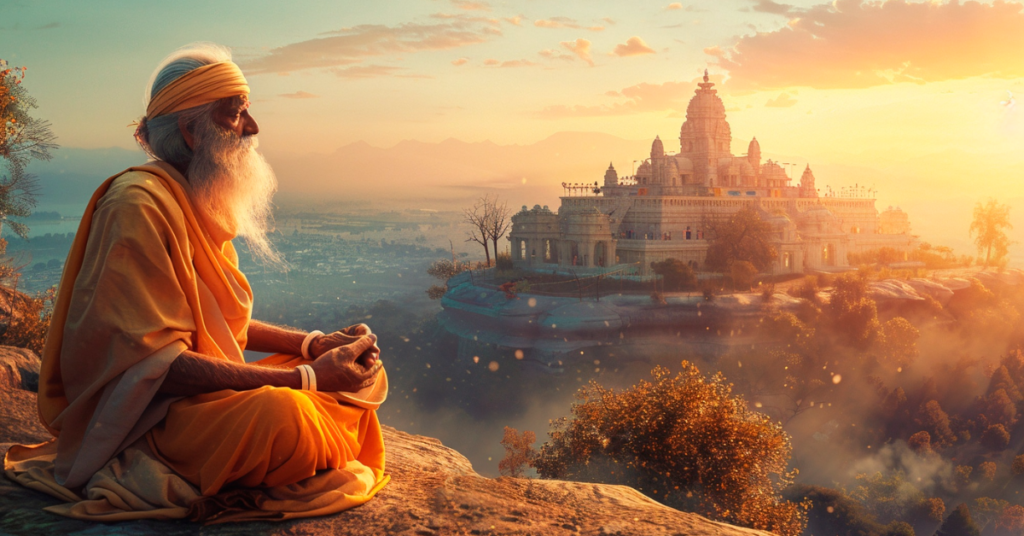
A Generation Deprived of National Consciousness
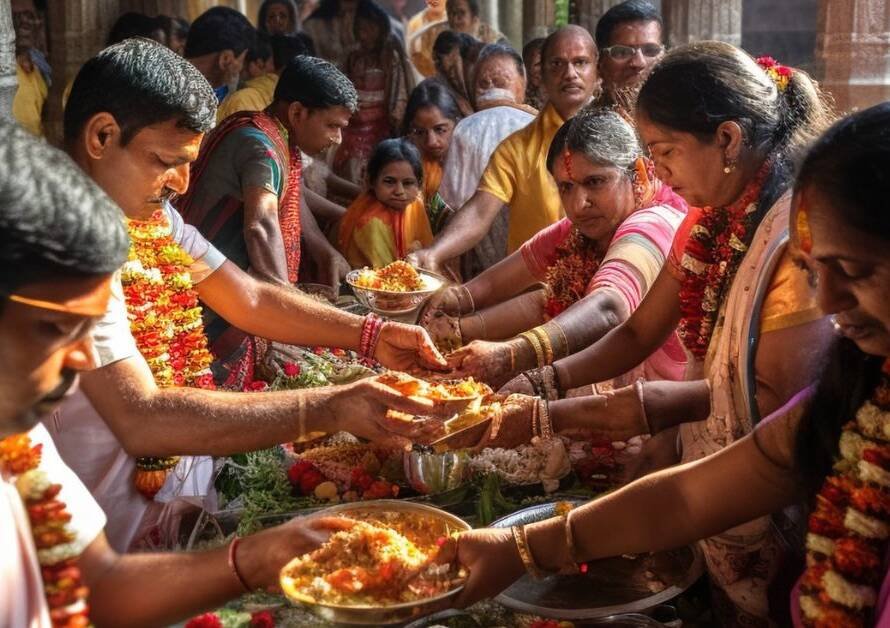
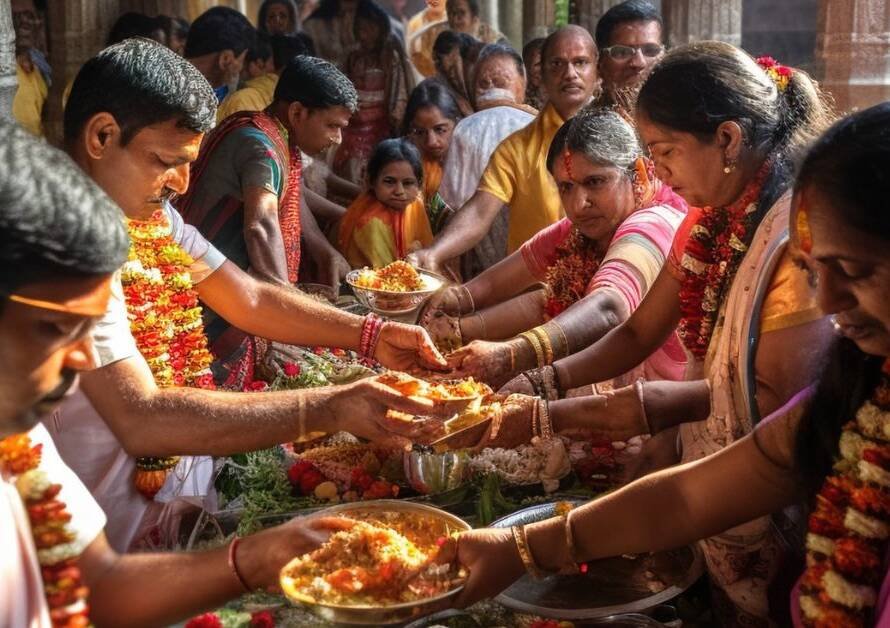
India is not an ordinary nation. It is an eternal (Sanatan) civilization, whose soul lies in unity in diversity, peaceful coexistence, and harmony. This has been the core essence of Sanatan Dharma, which for thousands of years has woven diverse beliefs, sects, languages, and cultures into a shared way of life—establishing India not merely as a geographical entity, but as a living civilizational consciousness.
1. The Spirit of Sanatana Dharma: Unity Without Uniformity
- Sanatana Dharma is not defined by a single ritual, diet, or lifestyle.
- It adapts to time, place, and circumstance, without losing its foundational values.
- It transforms differences into dialogue, not conflict.
- It views coexistence not as weakness, but as strength.
This is why India remained a civilizational nation:
- from Kashmir to Kanyakumari
- from Kamrup to Kutch
2. Eight Hundred Years of Civilizational Disruption: Historical Context Matters
(a) The Medieval Period
- To establish durable rule, invaders systematically targeted India’s education system, culture, and civilizational confidence.
Temples and gurukuls were attacked because they were:
- centers of learning
- foundations of social organization and moral authority
As a result, civilizational continuity suffered severe damage.
(b) The Colonial Period
- Indigenous education was dismantled and replaced with Western educational models.
- Indian languages, traditions, and philosophies were portrayed as inferior.
- This was not merely political rule—it was mental and cultural colonization.
Generations were conditioned into self-doubt and inferiority.
(c) Policy Confusion After Independence
- Colonial thinking continued, combined with appeasement-based politics.
- Sanatana philosophy, balanced history, and cultural awareness were gradually removed from education.
- Society was fragmented along caste, language, and regional lines.
3. The Consequence: Erosion of National Consciousness
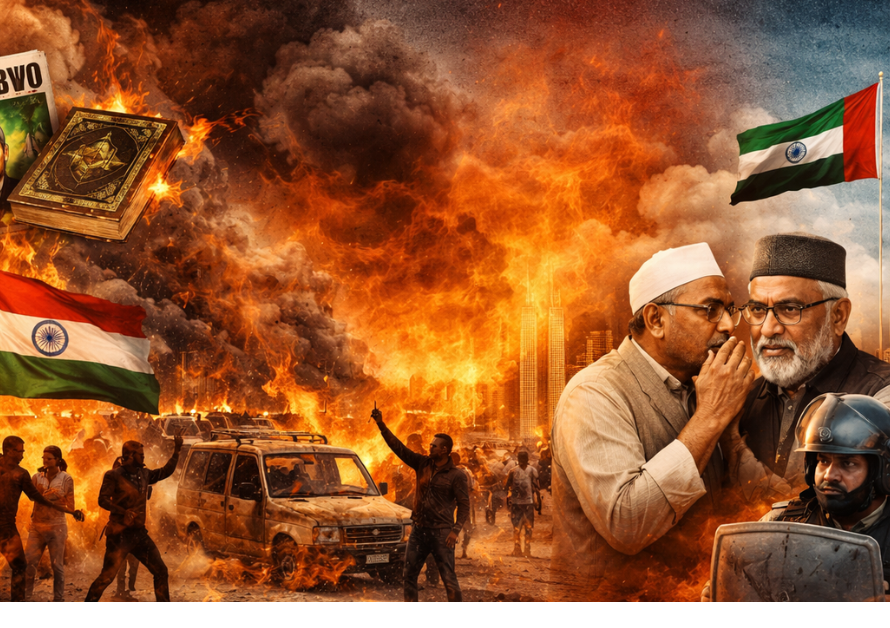
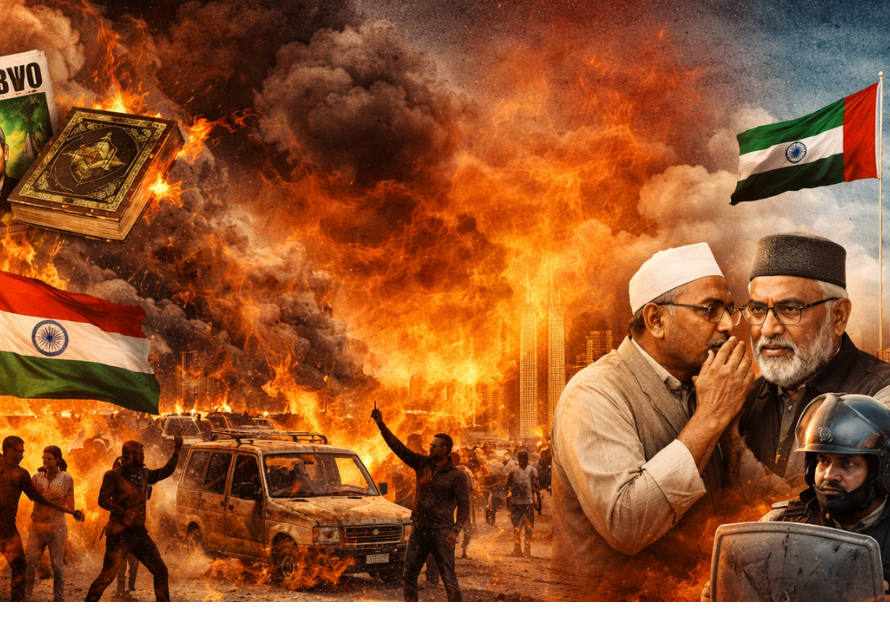
- A generation emerged that began seeing fellow Indians as “others.”
- Contributions of frontier regions—especially the North-East—were neglected or misunderstood.
- On social media, aggression without knowledge began passing for nationalism.
This is not just a social issue—it is a warning for national unity.
4. Failure of the Education System: The Root Cause
Today’s education:
- prepares individuals for jobs, not for citizenship
- delivers information, but not identity or civilizational awareness
Many educators:
- remain silent out of fear of controversy
- restrict themselves to syllabus, exams, and feedback
When classrooms do not tell India’s complete story, students borrow identity from social media—often distorted and dangerous.
5. The North-East: Not the Periphery, but the Backbone
The North-East represents:
- strategic security
- cultural depth
- historical valor
- Figures like Lachit Borphukan, Srimanta Sankardeva, and countless indigenous traditions strengthen India’s civilizational fabric.
This history must be integrated into mainstream education and consciousness.
6. The Last 11 Years: A Phase of Correction and Renewal
Economically:
- stability, rapid growth, and global credibility were restored.
Technology and innovation:
- digital infrastructure, startups, science, and space programs advanced.
Cultural confidence:
- yoga, Ayurveda, Indian languages, and traditions regained global respect.
Education and history:
- the process of balance, factual correction, and self-awareness began.
This period marks the foundation of a civilizational revival.
7. The Road Ahead: Society’s Decisive Role
- Governments can frame policies, but civilizations survive only through social participation.
We must:
- rise above caste, language, and region to unite
- make national consciousness and cultural literacy integral to education
- empower teachers with not just knowledge, but courage and institutional support
- teach diversity as India’s identity, not a threat
8. Why Political and Social Support Is Essential
Reform continuity requires:
- stable governance
- long-term vision
- public participation
To achieve economic, technological, and cultural goals, society must become an active stakeholder, not a passive observer.
9. Learning from History, Committing to the Future
- Sanatana Dharma has shown the world the path of coexistence and balance for centuries.
Today, India has the opportunity to become:
- economically strong
- technologically advanced
- culturally confident
This requires:
- national consciousness in education
- harmony within society
- sustained social and political support for reform
If we shoulder this collective responsibility, India will not merely emerge as a global power— it will become a civilizational guide for global peace, balance, and coexistence.
🇮🇳 Jai Bharat, Vandematram 🇮🇳
Old Blogs: https://saveindia108.in/our-blog/