🔎 Summary
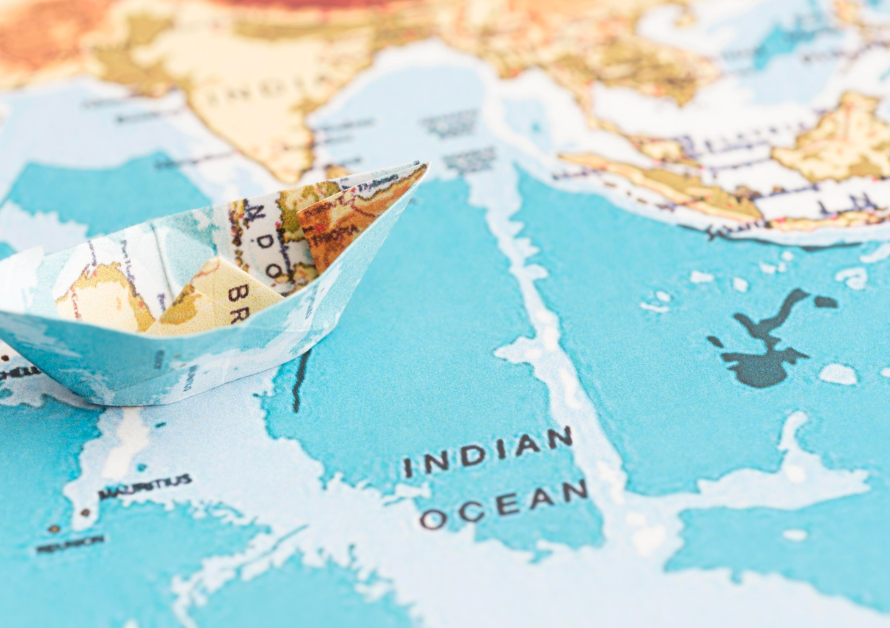
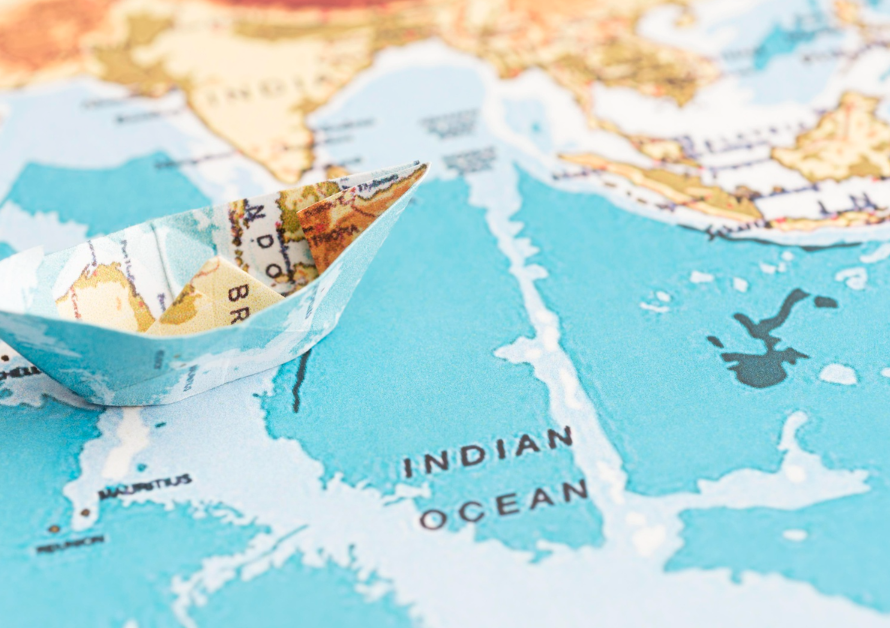
- The ₹92,000 crore Great Nicobar Project is a multi-dimensional infrastructure mission designed to position India as a decisive maritime power in the Indian Ocean region.
- Strategically located near the Malacca Strait, it aims to reduce foreign transshipment dependence, counter expanding Chinese maritime influence, and generate long-term economic and strategic benefits.
- Supporters view this project as a reflection of strong nationalistic leadership with long-term vision, strategic clarity, determination, and resource mobilization — in contrast to earlier decades that, according to critics, lacked strategic maritime focus.
Strategic Maritime Leap: Great Nicobar and India’s Ocean Power Vision
🌏 1️⃣ Geopolitical Location: India’s Southern Strategic Frontier
Great Nicobar Island
- India’s southernmost island territory
- Located near major Indo-Pacific sea lanes
- Ideal for maritime surveillance and naval deployment
Great Nicobar is not just an island — it represents India’s forward strategic presence in the Indian Ocean.
🌊 2️⃣ Malacca Strait: Lifeline of Global Trade
Malacca Strait
- Nearly 30–40% of global maritime trade passes through this route
- Critical corridor connecting East Asia to Europe and West Asia
- A key energy and container shipping channe
Great Nicobar lies approximately 900 km from this strategic chokepoint — giving India the ability to play a decisive role in Indo-Pacific maritime politics.
⚓ 3️⃣ Ending Foreign Transshipment Dependence
l Colombo Port
l Port of Singapore
Current Challenges:
l Around 25% of India’s container cargo is transshipped through foreign ports
- Higher logistics costs
- Time delays
- Strategic vulnerability
Post-Project Scenario:
- 4 million TEU capacity by 2028 (Phase 1)
- 16 million TEU capacity by 2058
- Significant reduction in logistics costs
- Major savings in foreign exchange
- Direct global connectivity for Indian trade
This transformation would shift India from being a maritime dependent economy to becoming a regional transshipment hub.
🛡️ 4️⃣ Strategic Balance Against Expanding Chinese Influence
l Hambantota Port
l Gwadar Port
- China’s investments across the Indian Ocean — often referred to as the “String of Pearls” — have expanded its strategic footprint.
Great Nicobar Project aims to:
- Strengthen Indian naval reach
- Enhance maritime domain awareness
- Secure sea lanes of communication
- Reinforce India’s Indo-Pacific strategy
🏗️ 5️⃣ Multi-Dimensional Development Framework
The project includes:
🔹 International Container Transshipment Terminal (deep draft port)
🔹 Greenfield International Airport (civilian + military use)
🔹 450 MW Power Plant
🔹 Planned Smart Township
It is an integrated model of port-led development combining security, energy, logistics, and urban planning.
🇮🇳 6️⃣ Nationalistic Leadership: Vision, Strategy, and Determination
Supporters argue that the current leadership demonstrates:
✔ Long-term national vision
✔ Clear strategic roadmap
✔ Strong political will
✔ Mobilization of financial and administrative resources
✔ Priority to national security, sovereignty, and economic self-reliance
They contrast this with earlier decades, alleging:
❌ Delayed strategic decision-making
❌ Lack of maritime long-term planning
❌ Corruption scandals and governance inefficiencies
❌ Excessive focus on short-term political considerations
According to this perspective, projects like Great Nicobar reflect a shift toward long-term structural nation-building rather than short-term political management.
🌱 7️⃣ Environmental and Tribal Safeguards
Clearance granted with environmental safeguards by NGT
- Phased development approach
- Biodiversity protection measures
- Safeguards for Shompen and Nicobarese tribal communities
The long-term credibility of the project will depend on maintaining a balance between strategic development and ecological sustainability.
📈 8️⃣ Long-Term Opportunities for Growth
Potential benefits include:
🔹 Reduced logistics costs
🔹 Greater export competitiveness
🔹 Increased foreign direct investment
🔹 Employment generation
🔹 Strengthened maritime security
🔹 Structured development of the Andaman & Nicobar region
🔹 Greater Indo-Pacific leadership role
Supporters believe such long-term strategic infrastructure opportunities were previously underutilized.
🔱 A Maritime Renaissance in the Making
- The Great Nicobar Project is not merely an infrastructure plan — it represents a strategic shift in India’s maritime thinking.
If executed transparently, sustainably, and efficiently:
- India will emerge as a major Indo-Pacific maritime power
- Foreign port dependency would decline
- Long-term economic and security gains would materialize
- India’s global strategic standing would strengthen
This project symbolizes a broader vision of long-term national growth, maritime strength, and sovereign self-reliance.
🇮🇳 Jai Bharat, Vandematram 🇮🇳
Read our previous blogs 👉 Click here
Join us on Arattai 👉 Click here
👉Join Our Channels 👈