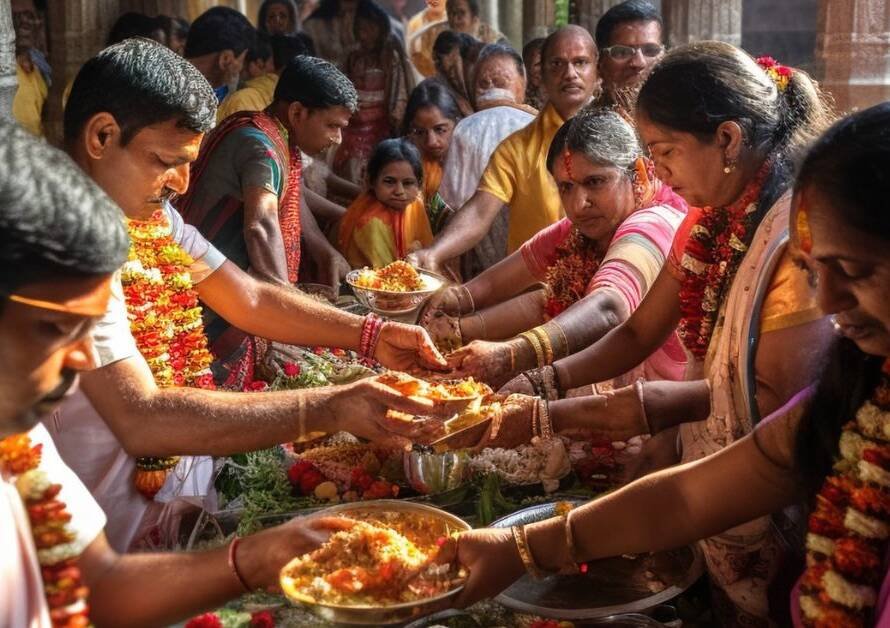
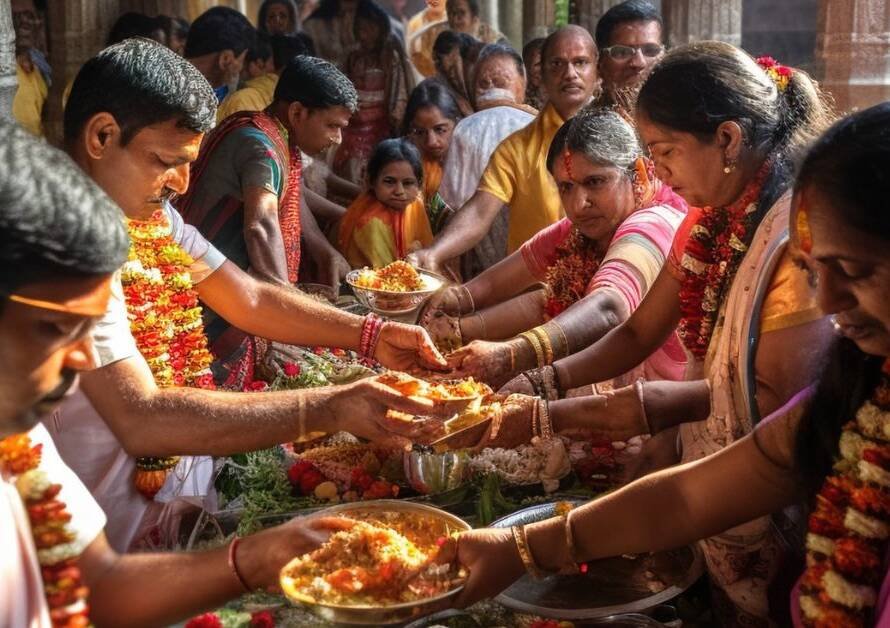
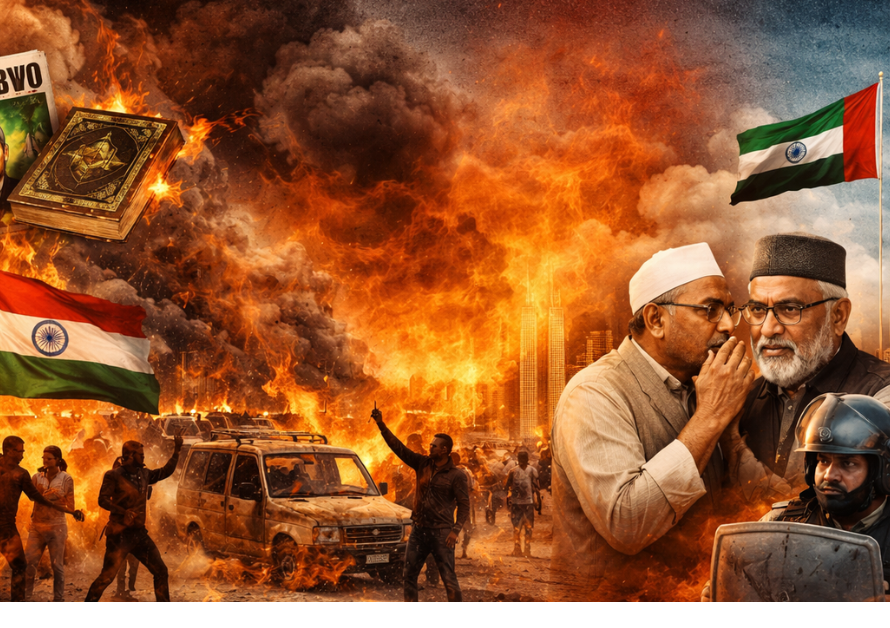
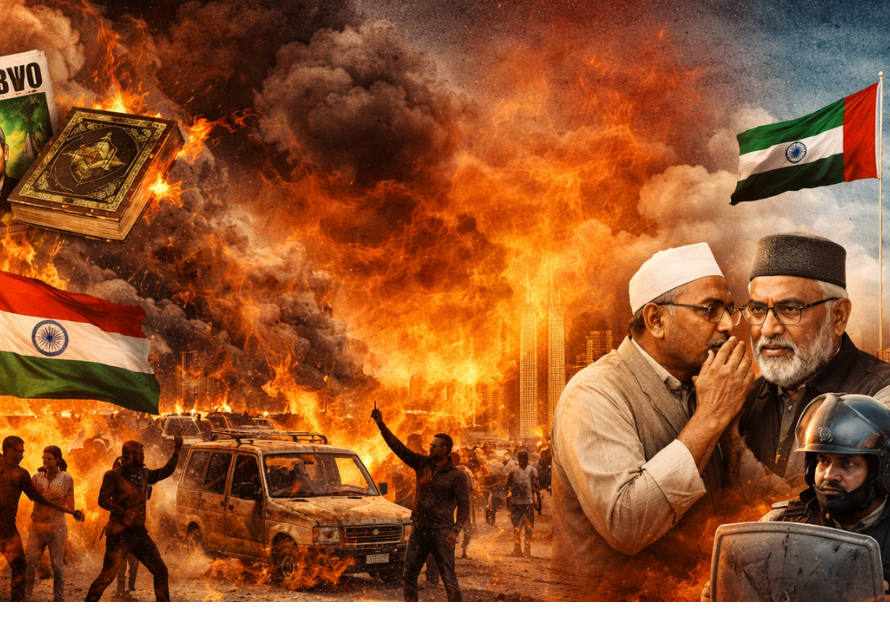
Bangladesh was founded in 1971 on the promises of secularism, equality, and protection of minorities. Today, however, the situation has become a matter of serious concern. The condition of Hindus in Bangladesh has steadily deteriorated. A community that was once an integral part of the country’s social and cultural fabric is now facing fear, insecurity, and an uncertain future amid rising extremism, governance failures, and global silence.
🕊️ The Spirit of 1971 vs. Today’s Reality
- Bangladesh was founded in 1971 on the ideals of secularism, equality, and protection of minorities.
- Today, ground realities show a steady departure from those founding values.
- The Hindu community—once an integral part of Bangladesh’s social and cultural fabric—now lives under fear, insecurity, and uncertainty.
🔥 The Killing of Dipu Chandra Das: A Grim Sign of Mob Rule
- A brutal lynching based on unverified and false allegations of blasphemy.
- Mobs taking the law into their own hands, followed by delayed or inadequate administrative response.
This clearly indicates:
- The erosion of the rule of law,
- And that minority safety is no longer a top state priority.
This incident is not an exception, but part of a recurring pattern.
📉 A Structural Pattern of Violence
- Attacks on temples and desecration of idols
- Vandalism of homes and shops, social boycotts
- Forced migration driven by fear
- Declining trust in local justice mechanisms
➡️ These are indicators of systemic intolerance and a growing belief in impunity.
⚖️ Constitutional Erosion and Governance Challenges
Following recent political changes:
- Constitutional balance and institutional strength appear weakened.
- Extremist groups have become more emboldened and fearless.
The state response reflects either:
- Incapacity, or
- A lack of political will—both deeply alarming.
🌍 Selective Human Rights and Global Silence
- An uncomfortable silence from international forums and human rights organizations.
This raises a serious question:
- Are human rights defended selectively, based on the identity of victims?
Such silence represents:
- Moral inconsistency,
- And indirect encouragement of violence.
🌐 Regional Stability, External Influences, and Strategic Balance
Regional instability affects:
- Security, trade, and humanitarian conditions beyond national borders.
India’s approach:
- Avoidance of direct military confrontation,
- Emphasis on diplomatic, economic, and multilateral measures.
This strategy is viewed as:
- More responsible,
- And less destructive in the long term.
🧭 The Way Forward: Concrete Steps to Restore Trust
For Bangladesh
- Swift and impartial restoration of the rule of law
- Strict legal punishment for perpetrators
- A credible security framework for minorities
- Zero tolerance for rumors and mob violence
For the Global Community
- Abandon selective standards and apply uniform human-rights principles
- Fact-based, consistent, and public responses
- Transparency in human-rights monitoring
Warning and Call to Conscience
- This discussion is not directed against any nation,
- But stands for humanity, constitutional values, and regional peace.
- History neither forgives ingratitude, nor silence.
Delayed decisions carry an increasing cost—in human lives, social trust, and regional stability.
🇮🇳 Jai Bharat, Vandematram 🇮🇳
- Website:https://www.saveindia108.in
- Email:info@saveindia108.com
- Old Blogs: https://saveindia108.in/our-blog/
- Arattai: https://tinyurl.com/mrhvj9vs