Summary
- India’s history is not merely a record of power, wars, or borders; it is a chronicle of identity, faith, circumstances, and their long-term consequences.
- Fear, greed, coercion, and political self-interest have repeatedly pushed societies in damaging directions, with effects visible across generations.
- Today, the urgent need is to learn our true history honestly, draw lessons from it, and implement those lessons in daily life, society, and governance.
- If we fail to do so, history repeats itself—and those who do not learn from it become history themselves.
- Only with the active support of a nationalist, farsighted, and responsible government, combined with an aware and participative society, can India move toward a secure, prosperous, and strong future.
Lessons, Self-Reflection, and the Path to Nation-Building
Section 1: History Is Not the Past—It Is a Warning for the Present
The history of the Indian subcontinent teaches us that:
- Decisions may be temporary, but their consequences are long-lasting
- Abuse of power and ideology fractures society
- Choices driven by fear and greed alter the destiny of generations
History reminds us that when a society disconnects from its roots and values, it becomes vulnerable.
Section 2: Shifts in Identity—Circumstances, Fear, and Politics
History offers many examples where:
- People changed identity to protect life, family, or survival
- Names and labels changed over time, while roots remained in the same land
- The decisive factor was not faith itself, but the political use of faith
The real problem has never been belief, but belief turned into a tool of power.
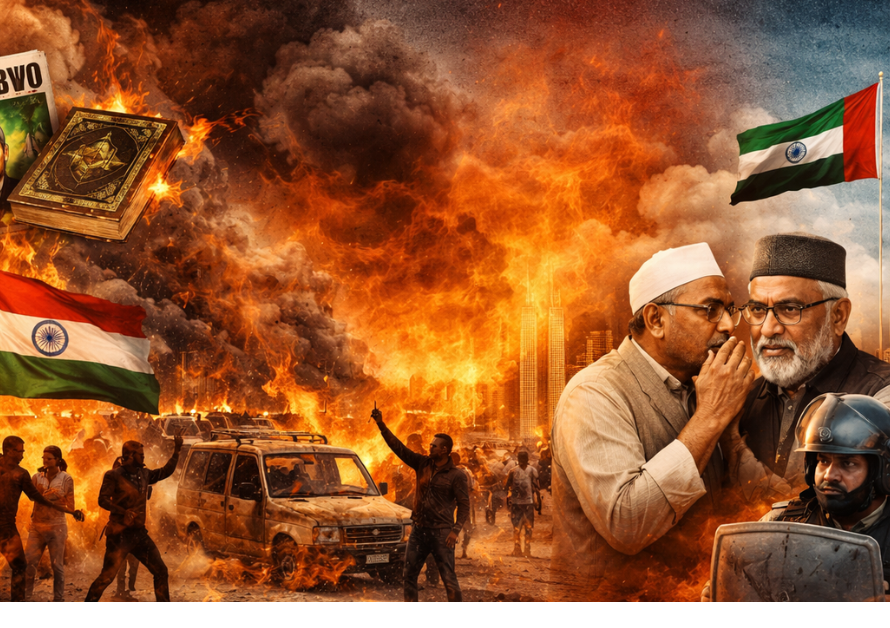
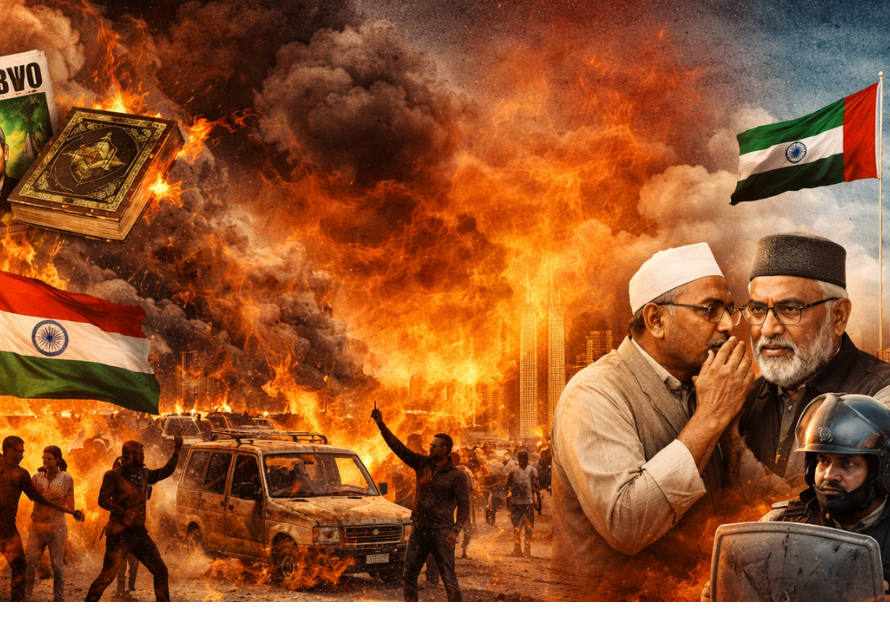
Section 3: From Kashmir to the Subcontinent—A Record of Human Suffering
Across regions, including Kashmir:
- Decades of insecurity, displacement, and violence were witnessed
- Multiple communities endured collective trauma
- The solution was never religious dominance, but political will and correction of divisive narratives
This history belongs not to one group, but to political failure and ideological polarisation.
Section 4: The Question of Today—Repetition or Reform?
The central questions before us are:
- Do we have the courage to learn our true history honestly?
- Are we willing to accept past mistakes and learn from them?
- Or are we moving toward repeating the same errors?
>Those who do not learn from history allow it to repeat itself;
>Those who refuse to learn eventually become history.
Section 5: Applying the Lessons—From Knowledge to Action
Knowing history is not enough. We must:
- Translate lessons into daily conduct
- Build cultural self-confidence
- Reject divisive ideologies peacefully but firmly
- Practise truth, compassion, justice, and duty as lived values
This is the Sanatan outlook—where dharma becomes action, not mere identity.
Section 6: Society and Governance—Implementing the Lessons
To apply historical lessons:
- Political will is essential
- Clear priorities in security, education, and social harmony are required
A nationalist and visionary government:
- Strengthens cultural self-respect
- Prioritises national security and social unity
- Ensures inclusive, sustainable, and rapid development
Society, in turn, must:
- Actively support such policies
- Participate in reforms
- Stand against misinformation with facts and reason
Section 7: Education, Memory, and Reform—Three Pillars
Three foundations for the future:
- Education: factual history, critical thinking, value-based learning
- Memory: remembering pain and mistakes to prevent repetition
- Reform: continuous improvement in policy, society, and behaviour
Section 8: The Sanatan View of Dharma—A Force That Unites
In Indian philosophy:
- Truth is eternal, and the Divine is one
- Dharma means duty, compassion, and justice
Any ideology that divides humans from one another stands opposed to the Sanatan spirit.
- Dharma exists to awaken, not to divide.
Section 9: Looking Ahead—Resolve and Participation
A strong, secure, and prosperous India:
- Begins with memory
- Advances through learning
- Stands firm on resolve
When society and governance move together, history becomes guidance, not fear.
- This reflection is not against anyone; it is a call for collective responsibility and self-examination.
- True history is that which helps us learn, correct, and progress.
- If we apply these lessons in life, society, and governance, the future will be bright.
- If we do not, history will repeat itself—and leave us behind.
>Dharma exists not to divide, but to awaken.
>History exists not to frighten, but to guide.
>And national interest exists to unite us—today and for generations to come.
🇮🇳 Jai Bharat, Vandematram 🇮🇳
Read our previous blogs 👉 Click here
Join us on Arattai 👉 Click here
👉Join Our Channels 👈