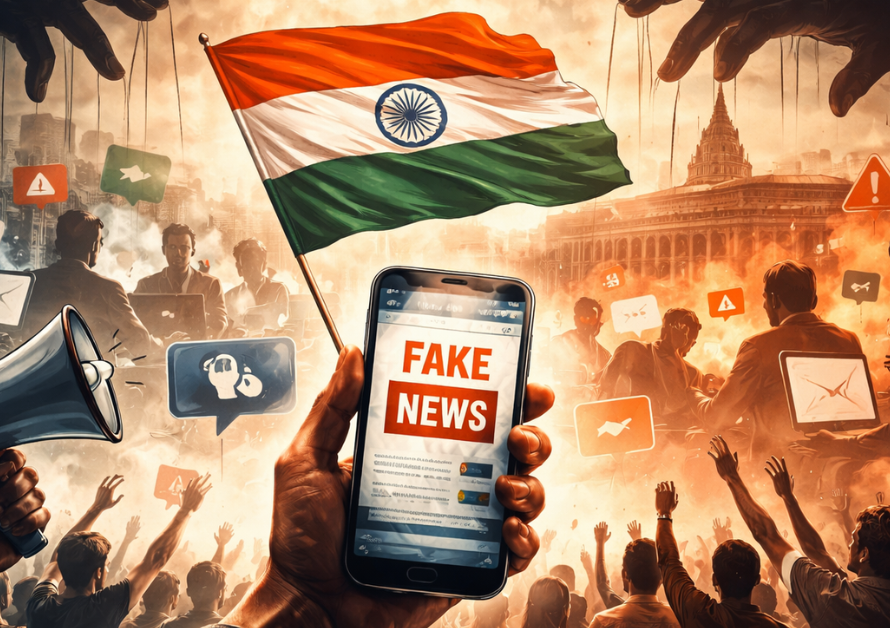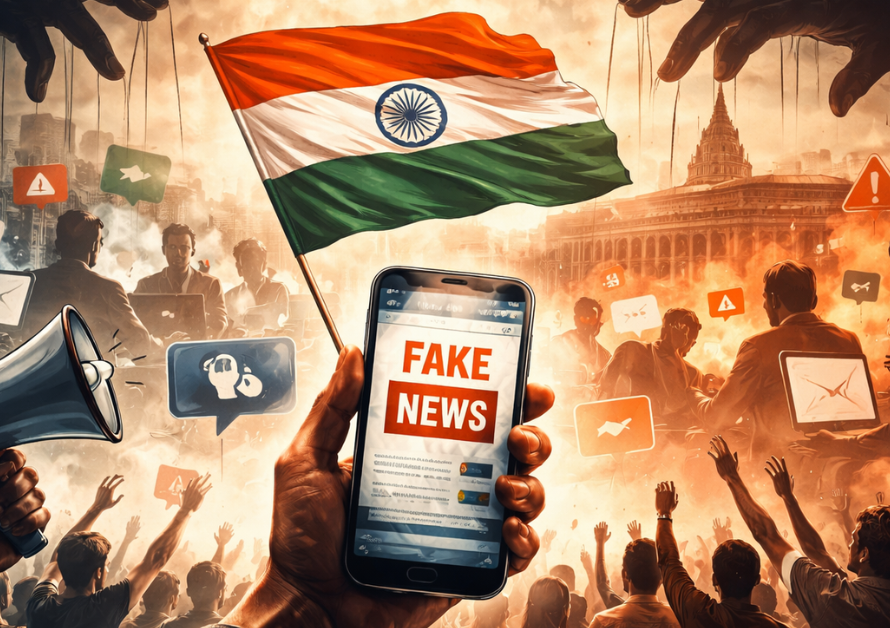
Similar Threats, Different Societal Conditioning — And Why the Difference Matters
1. When Nations Defend More Than Borders
- There are rare moments in history when some nations are not merely defending territory, governments, or political power.
- They are defending their right to exist as civilizations.
Today, India and Israel stand at such a moment.
- Both represent ancient civilizations that refused to disappear
- Both are rooted in faith, culture, land, and historical continuity
- Both have faced sustained hostility for centuries
- Both remain major obstacles to forces that seek ideological, demographic, or narrative domination
This is why the pressure on India and Israel is continuous, coordinated, and relentless.
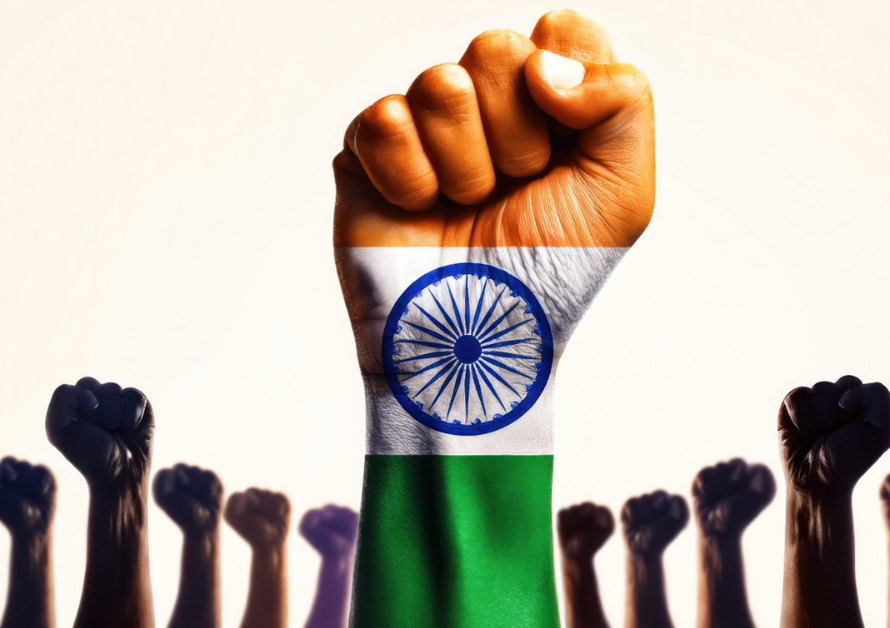
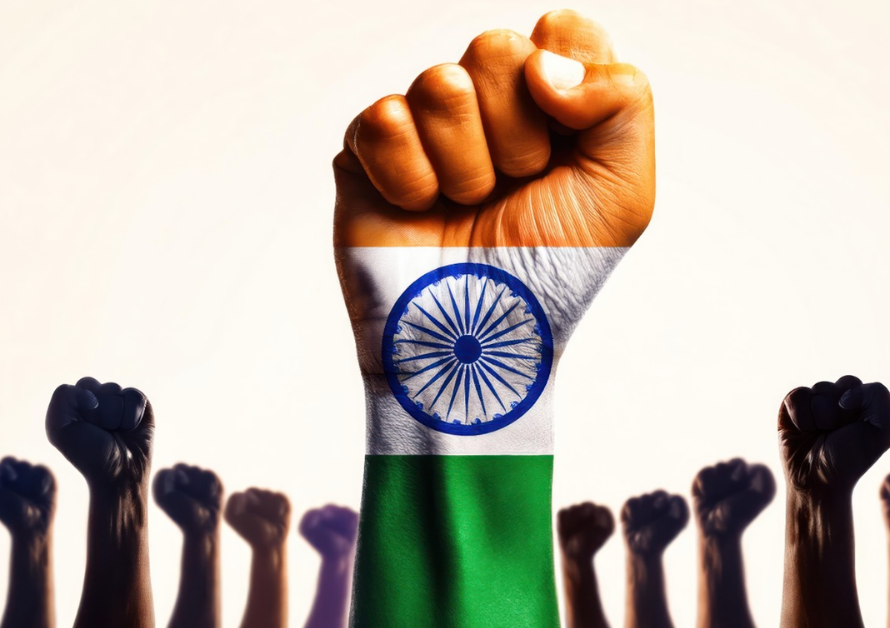
2. A 1400-Year Pattern: Pressure Has Changed Form, Not Objective
- The struggle against ancient civilizations did not stop with invasions.
Over centuries, methods evolved:
- when military conquest failed → demographic pressure
- when demography slowed → religious and ideological penetration
- when ideology faced resistance → political influence and vote-bank engineering
- when politics became difficult → narrative warfare and global opinion shaping
The goal has always been the same:
- Weaken the civilizational core from within.
India and Israel survived because they resisted longer than most.
3. Why Many Countries Fell Without a Fight
- Countries like Japan, Australia, New Zealand, much of Europe, and even parts of North America are largely state-based societies, not deeply civilizational ones.
Their identity is built on:
- institutions
- constitutions
- economic systems
- modern political contracts
When cultural confidence weakens in such societies:
- demographic shifts accelerate
- ideological capture becomes easier
- political influence changes quietly
- identity erosion happens legally, not violently
No invasion is required. The system adapts from within.
- India and Israel are different because their identity is not optional but Civilizational.
4. The Israeli Difference: Patriotism as Social Conditioning
- Israel’s greatest strength is not its weapons or technology—it is its people.
Key characteristics of Israeli society
- Children are raised in a deeply patriotic environment
Compulsory military service ensures:
- physical readiness
- mental discipline
- national-security awareness
- Country and faith are treated as highest priorities
- There is near-zero tolerance for traitors or anti-national activity
National survival is seen as a collective responsibility, not just a government function
Because of this:
- Israeli leadership knows its people will stand united
- Society does not weaken the nation during crises
- Citizens are capable of defending themselves if required
This is why Israel, despite being a small country surrounded by hostile forces, has survived and deterred aggression repeatedly.
5. Why Israeli Leadership Can Act Decisively
Leaders like Netanyahu can take tough decisions because:
- they are certain of unconditional public support during national crises
- citizens do not sabotage national interest for political games
- society understands that survival comes before convenience
Decisive leadership is impossible without societal certainty.
In Israel, that certainty exists.
6. India’s Unfortunate Reality: 70 Years of Weak National Conditioning
- India’s challenge is not lack of leadership intent—it is historical social conditioning.
What went wrong after independence
- Patriotism was diluted and sometimes portrayed as dangerous
- National pride was confused with extremism
- No compulsory civic or military training was introduced
- People were taught rights, but not national duties
Anti-national and subversive elements were:
- tolerated
- normalised
- sometimes politically protected
This created:
- confusion about national priorities
- hesitation in confronting internal threats
- expectation that only the state should act
Unlike Israel, India developed internal contradictions that slowed decisive action.
7. Political Constraints: Why India Must Act Carefully
- Leadership does not operate in a vacuum.
Electoral and institutional reality
In recent Lok Sabha elections:
- a working majority was given, not an absolute one
For years:
- the Rajya Sabha lacked supportive numbers
- opposition parties blocked key reforms
- bureaucracy resisted change
- judiciary often acted cautiously or non-cooperatively
As a result: every major decision required:
- legal insulation
- political balancing
- institutional safeguarding
Strategic patience became a necessity, not weakness.
8. Despite All Constraints, India’s Rise Is Undeniable
Even under these limitations, the current leadership has delivered:
- India as the fourth-largest and fastest-growing major economy
- a strong and credible military deterrent
- global respect and strategic relevance
- reduced dependence on external powers
- effective restraint of external adversaries
Today:
- the world negotiates carefully with India
- India is feared, respected, and listened to
- India is seen as a future global power
This progress came through discipline, restraint, and long-term vision.
9. The Biggest Challenge: Internal Enemies and Social Inactivity
External enemies can be contained by the state. Internal enemies cannot be defeated without full support from the society.
Internal threats thrive when:
- society remains divided
- patriotism is questioned
- alertness is replaced by apathy
- people expect protection without responsibility
This is India’s most serious challenge today.
10. What Must Change: The Role of Every Citizen
If India wants to protect:
- its people
- Sanatana Dharma
- national unity
- future generations
then citizens must act responsibly.
Politically
- support pro-nationalist governments decisively
- provide clear mandates for action
Socially
- stay united beyond ego, caste, or faction
- reject divisive and anti-national narratives
Personally
- remain mentally alert
- stay physically prepared
- support lawful institutions
- prioritise country and Dharma over selfish interests
Preparedness does not mean chaos. It means discipline, unity, and responsibility.
11. The Core Lesson From Israel for India
Israel teaches one timeless truth:
- A nation survives not because its government is strong,
but because its people are united, prepared, and committed.
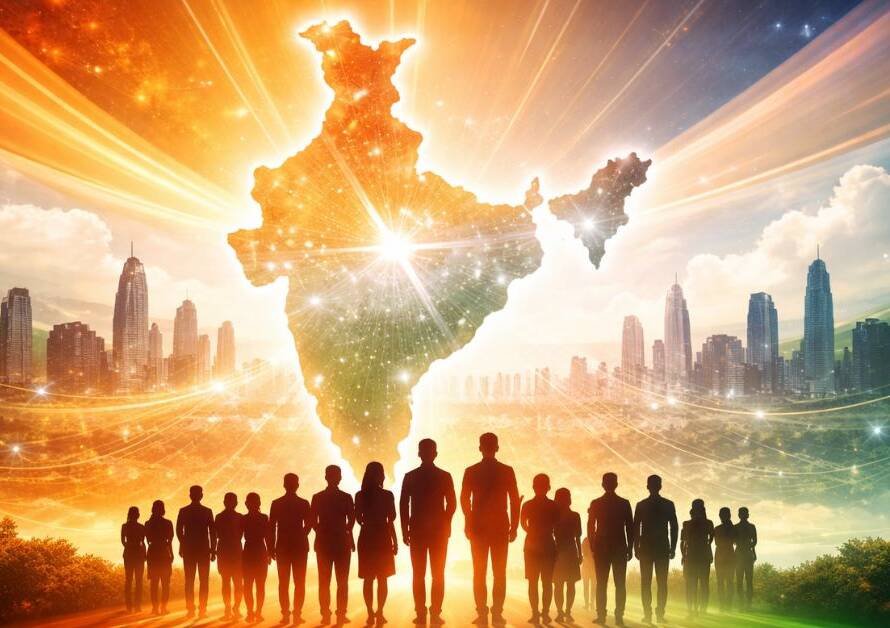
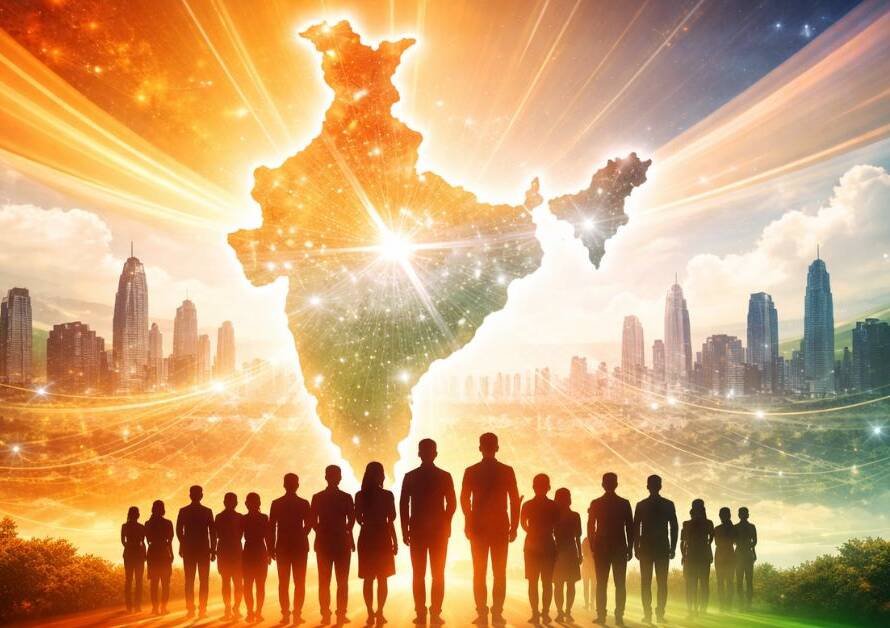
If India wants leadership to act decisively, India must first become decisively united.
12. Reflection: A Choice Before the Nation
- This is not about personalities or elections alone. This is about civilizational survival.
If we remain:
- complacent
- divided
- inactive
history may repeat itself—and future generations will pay the price.
But if we:
- place country above self
- unity above ego
- responsibility above comfort
then India, like Israel, will not merely survive— it will endure, strengthen, and lead the world.
🇮🇳 Jai Bharat, Vandematram 🇮🇳
For old Blogs please visit our website www.saveindia108.in
To join our whatsapp Community please click
https://chat.whatsapp.com/FMr2WNIgrUVG9xK78FW5Dl?mode=r_t
To join our Telegram group please Click https://t.me/+T2nsHyG7NA83Yzdl Old Blogs are available on the telegram group also.