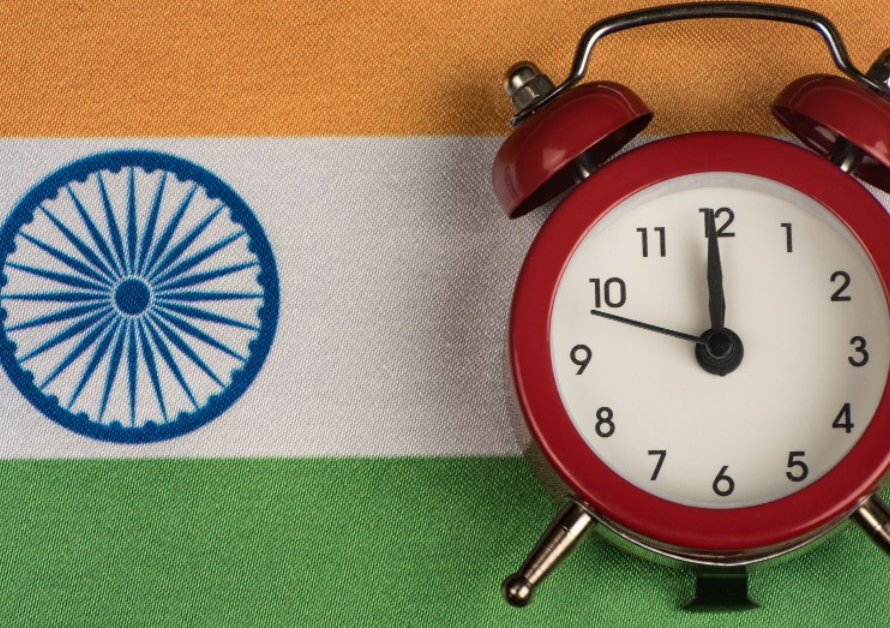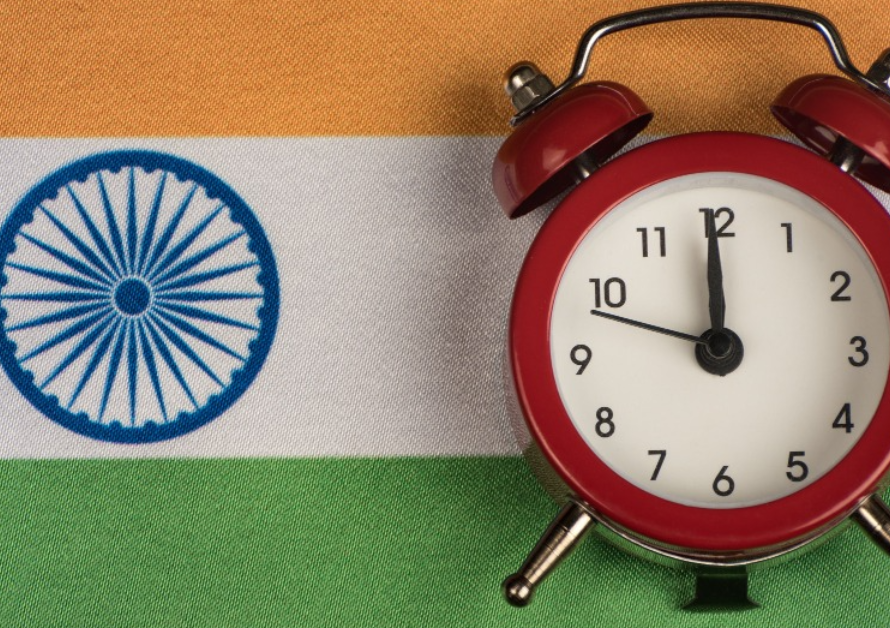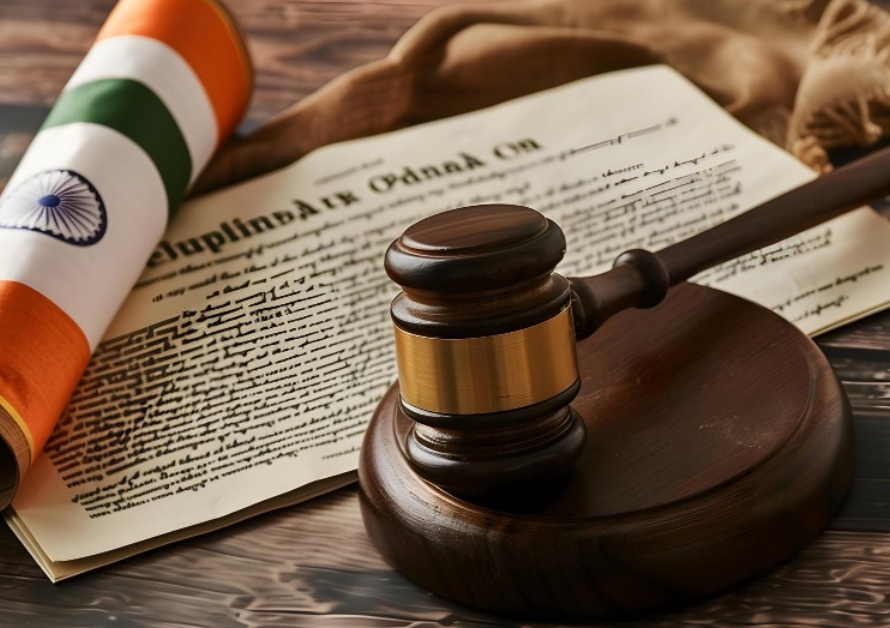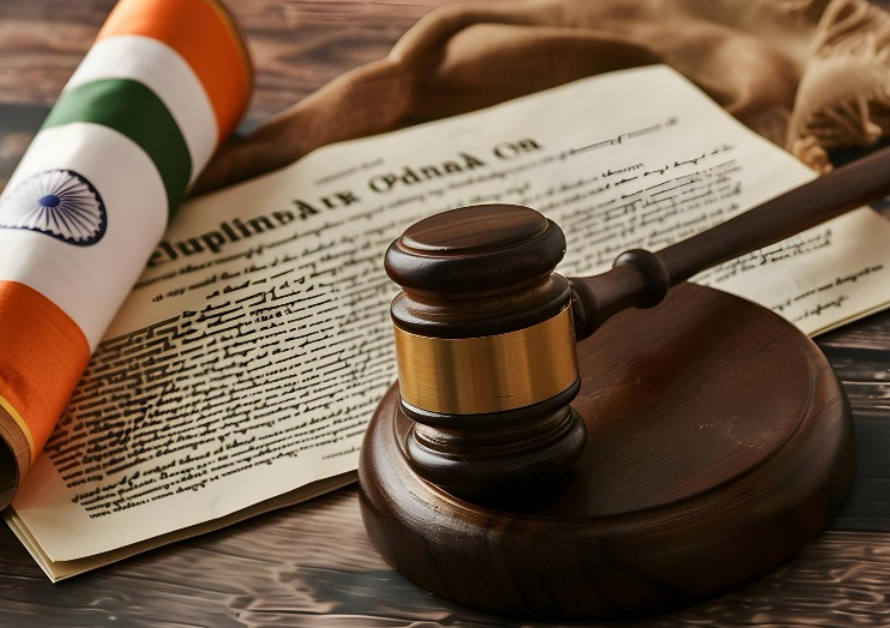
- India today stands at a defining crossroads. The country is simultaneously managing global uncertainty, regional security challenges, economic transformation, and intense political polarization.
- In this environment, public discourse is increasingly distorted by selective memory and loud accusations.
- The unfortunate reality is this: the very political forces that weakened institutions, drained the economy through corruption, and compromised national interests are now the loudest critics of a government that has delivered measurable results.
To move forward as a nation, citizens must evaluate outcomes, not narratives.
⚖️ An Uncomfortable Truth: How Institutions and the Economy Were Weakened
India did not inherit its challenges overnight. For decades, governance suffered from structural failures:
- Constitutional institutions were misused, weakened, or selectively applied for political convenience
- Democracy was reduced to vote-bank arithmetic, not accountability or reform
- Large-scale corruption and scams drained public money and trust
- Strategic decisions were influenced by commissions, kickbacks, and foreign interests
- Imports were preferred over domestic manufacturing, hurting jobs and industrial growth
- The License Raj mindset throttled entrepreneurship, innovation, and competitiveness
The consequences were severe:
- Slow economic growth
- Fragile infrastructure
- Rising unemployment
- Fiscal stress and policy paralysis
- Dependence on foreign supply chains
- A nation drifting dangerously close to economic instability
These are not opinions—they are documented outcomes of past governance models.
📉 From Stagnation to Structural Reform: A Clear Break from the Past
- Breaking out of this cycle required political courage, not populism.
In just eleven years, India has witnessed a decisive shift in governance philosophy:
- Focus on systemic reform instead of short-term appeasement
- Emphasis on domestic capacity-building over import dependency
- Accountability, transparency, and technology-driven delivery
- Infrastructure as the backbone of economic growth
- Welfare with fiscal discipline, not leakage
This transition was neither easy nor universally supported.
📈 The Results: India’s Transformation in Eleven Years
Despite unprecedented challenges—including global economic shocks, a pandemic, wars, and supply-chain disruptions—India has achieved outcomes once considered improbable:
- Emergence as the 4th largest economy globally
- Recognition as the fastest-growing major economy
- Massive expansion of roads, railways, ports, airports, and digital infrastructure
- A thriving startup and digital payments ecosystem
- Strengthened domestic manufacturing and strategic industries
- Enhanced global credibility in diplomacy and trade
These outcomes did not appear by chance—they are the result of policy consistency and sustained effort.
🛡️ Security and Sovereignty: The Silent Enablers of Growth
- Economic growth cannot survive without national security.
In the current scenario:
- Border infrastructure and defense preparedness have improved
- Strategic autonomy in defense and technology has increased
- India’s standing as a credible military power has strengthened
- Decisive responses replaced prolonged indecision
Security is not ideology—it is the foundation of stability and investor confidence.
🧱 Progress Despite Resistance, Not Because of Cooperation
One fact must be acknowledged honestly: This transformation occurred despite persistent resistance.
- Legislative obstruction slowed key reforms
- Sections of the bureaucracy resisted transparency and accountability
- Judicial delays complicated execution of time-sensitive policies
- Coordinated misinformation campaigns attempted to erode public trust
- Yet, through persistence and reform, progress continued.
What once seemed almost impossible has become measurable reality.
🔄 The Irony of Today’s Accusations
- Perhaps the most troubling aspect of today’s discourse is the reversal of accountability
Those who presided over economic leakage and institutional decay now claim to defend democracy
Those who normalized corruption now question integrity
Those who preferred imports and foreign dependence now oppose domestic capacity-building
Blame is easier than reform. Noise is easier than results.
💰 Economic Discomfort vs. National Resilience
- Inflation, fuel prices, and cost of living pressures are real concerns for Indian families. These issues deserve serious discussion.
But history—both Indian and global—teaches a crucial lesson:
- Nations that compromise on security, unity, and long-term capacity pay a far heavier economic price later.
The real question is not whether decisions are uncomfortable today, but whether they:
- Build resilience for future crises
- Reduce dependence on hostile or unreliable external forces
- Protect coming generations from deeper instability
🧠 The Responsibility of Citizens in a Democracy
- Democracy does not survive on permanent protest or constant outrage. It survives on informed judgment.
In today’s India, citizens must:
- Judge governance by outcomes, not headlines
- Distinguish criticism from obstruction
- Reject nostalgia for systems that failed the nation
- Support honest, reform-oriented governance—politically and socially
- Supporting progress is not blind loyalty. It is national responsibility.
🚩 Choosing Progress Over Paralysis
- India’s journey toward becoming a global superpower will not be smooth or unanimous. Every major reform in history faced resistance.
But the facts remain:
- A stronger economy
- Improved infrastructure
- Greater strategic autonomy
- Rising global influence
- A renewed sense of national confidence
- These achievements deserve acknowledgment, continuity, and support.
The choice before India is clear:
- Progress with reform, or
- Return to stagnation and paralysis
The future belongs to nations that recognise hard work, reward integrity, and support long-term vision.
🇮🇳Jai Bharat, Vandematram 🇮🇳
For old Blogs please visit our website www.saveindia108.in
To join our whatsapp Community please click
https://chat.whatsapp.com/FMr2WNIgrUVG9xK78FW5Dl?mode=r_t
To join our Telegram group please Click https://t.me/+T2nsHyG7NA83Yzdl Old Blogs are available on the telegram group also.