History, reality and National Intersts
- A Historical Reality the Nation Can No Longer Ignore
1. The True Basis of Partition — A Reality Long Buried
The 1947 Partition was a religion-based division, not administrative or geographic.
- Pakistan was demanded by Jinnah exclusively for Muslims, after the Direct Action genocide of lakhs of Hindus.
- India too had the option of enforcing strict population exchange like many other countries, but chose a softer path.
- This single decision created the largest demographic, security and political challenge India continues to face today.
This truth was suppressed for decades, even though it shaped our nation’s trajectory.
2. Citizenship After Partition — The Legal Ambiguity
- After the Partition, nearly 3 crore people stayed back in India, but there was no formal, structured citizenship process.
- The Indian Citizenship Act came only in 1955—years after the Partition.
- The 1950 Nehru–Liaquat Pact was only a statement of intent, not a formal citizenship-granting instrument.
- No ordinance or official notification documented the mass grant of citizenship to those who stayed back.
This ambiguity created vulnerabilities in governance, security, and documentation that continued for generations.
3. Vote-Bank Politics Deepened the Crisis
Several political groups intentionally:
- Encouraged religious appeasement
- Ignored documentation and verification
- Protected illegal migrants
- Used minority populations as permanent vote-banks
- Allowed cross-border infiltration for electoral gains
- Turned a blind eye to demographic changes in border districts
These policies weakened:
✔ National Security
✔ Social Stability
✔ Resources & Economy
✔ Cultural Continuity
- India could have been far ahead—yet it was held back for decades.
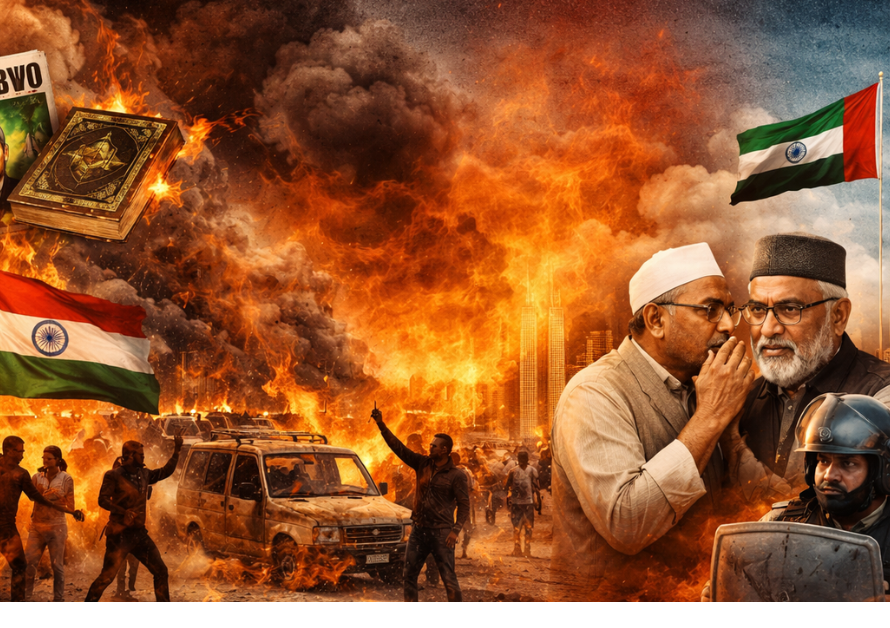
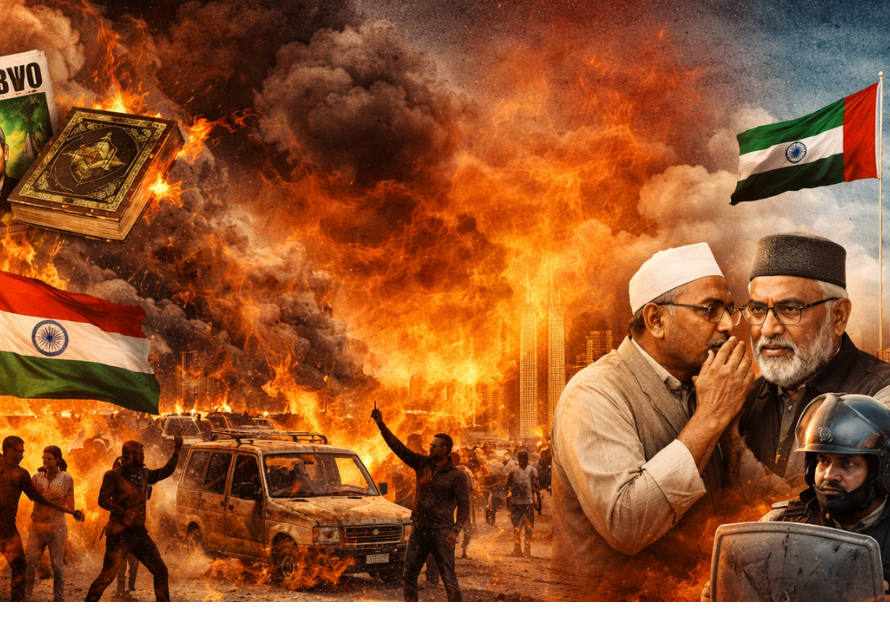
4. Internal Threats — The Most Dangerous Challenge
Many of India’s current problems stem directly from past political negligence:
- Illegal immigration
- Radicalisation & sleeper cells
- Foreign-funded networks
- Organised misinformation
- Population-based aggression
- Lobbies promoting communal tension
- Toolkits targeting India’s global image
Experts agree:
- “India is threatened more by its internal enemies than by external ones.”
5. Post-2014: A Shift Toward Stronger National Security
Under Modi government, significant reforms began:
✔Talk of NRC and clean electoral rolls
✔Stronger borders
✔Identification of illegal settlements
✔CAA for persecuted Hindu/Sikh/Buddhist/Jain/Christian refugees
✔Crackdown on radicalisation
✔Defence modernization and intelligence reinforcement
For the first time, national security and demographic protection became a formal priority.
6. Citizenship vs. Illegal Infiltration — Two Different Realities
India must distinguish between:
✔ Legal Indian citizens — equal rights for all
✘ Illegal entrants — a direct national security challenge
The issue is not religion, but:
- Genuine documentation
- Border control
- National security
- Prevention of foreign influence
- Protection of Indian sovereignty
This is a demographic and security matter—not a communal conflict.
7. Society’s Silence Strengthens Anti-National Elements
History shows:
- Whenever Hindus remain divided, India weakens.
- Whenever society stays silent, extremism strengthens.
- Whenever nationalism slows, foreign forces intervene.
- Whenever appeasement grows, terror networks expand.
Therefore, today we urgently need:
- A united, conscious and active citizens.
8. The Roadmap for a Secure & Strong India
India must implement:
- National Population Control Law
- NRC + purified voter lists
- Zero tolerance for illegal immigration
- End to appeasement-based politics
- Nationalistic education system
- Laws against misinformation and externism
- A stronger anti-terror ecosystem
A strong India can only survive with strong internal security.
9. Duty of Citizens — Nation First, Politics Later
Every patriot must:
- Expose anti-India propaganda
- Stay alert on social media
- Counter fake narratives
- Preserve cultural unity
- Stand by national security forces
- Strengthen nationalist governance
- Support legal frameworks to tackle internal threats
The nation rises only when society rises.
10. A New India Moving Toward Global Leadership
India today stands at a defining moment. This era will shape our future for the next 100 years.
If we remain:
✔ United
✔ Alert
✔ Patriotic
✔ Fact-driven
✔ Committed to national security
India will become one of the world’s Top-3 Global Superpowers
—while preserving and strengthening its Sanatana Civilization.
🇮🇳 Jai Bharat, Vandematram 🇮🇳
For old Blogs please visit our website www.saveindia108.in
To join our whatsapp Community please click
https://chat.whatsapp.com/FMr2WNIgrUVG9xK78FW5Dl?mode=r_t
To join our Telegram group please Click https://t.me/+T2nsHyG7NA83Yzdl Old Blogs are available on the telegram group also.