Summary
- This article analyzes how, in the decades following 1947, the Congress Party’s policies faced allegations of being “vote-bank” driven and “divisive,” affecting Hindu society and national security.
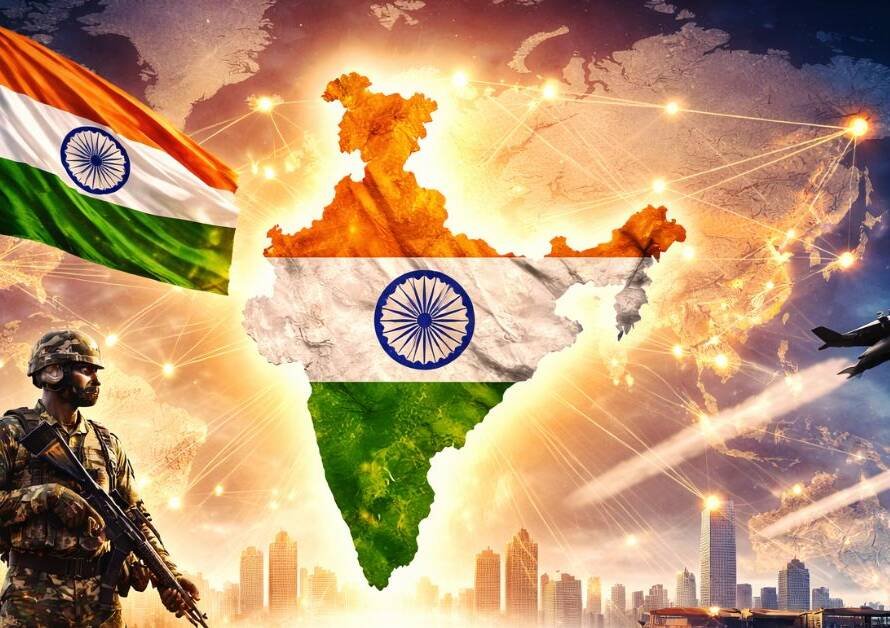
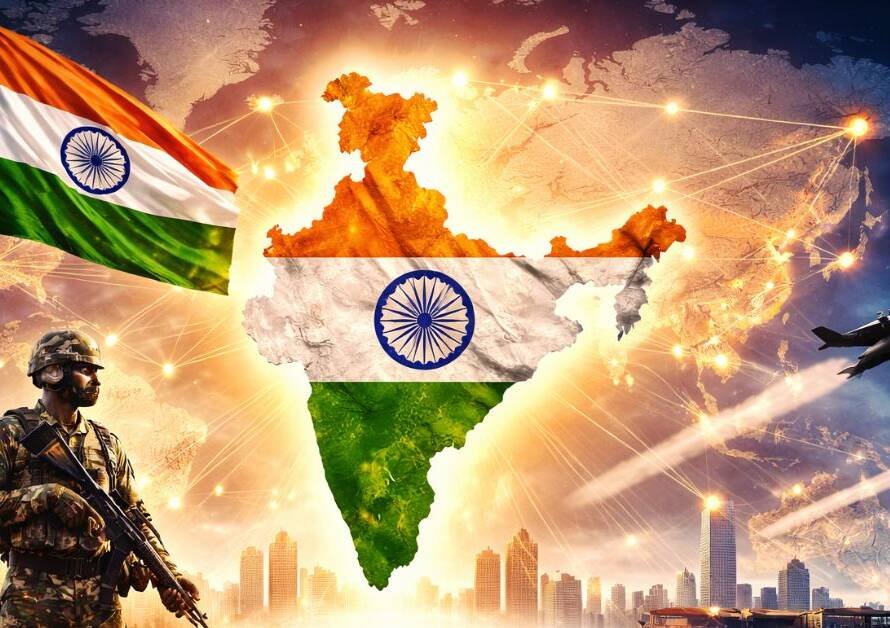
- In contrast, it explores how, under Prime Minister Narendra Modi since 2014, India reclaimed its cultural roots (Sanatana Dharma), abolished Article 370, and transitioned the economy from the “Fragile Five” to the world’s fourth-largest power.
- The text also considers the hypothetical scenario where, had previous policies (like the Sachar Committee and the Communal Violence Bill) been implemented, India’s state today might have been as unstable as neighboring Islamic nations.
Cultural Revival and Global Power
1. Congress Rule (1947–2014): Appeasement and Neglect of Hindu Interests
The Congress era is often viewed by critics as a period of benefiting a specific class under the guise of “socialism” and “secularism.” Critics argue that national sovereignty and the interests of the majority population were sacrificed to maintain power.
A. Judicial and Legislative Appeasement
- The Shah Bano Case (1986): When the Supreme Court ruled in favor of a destitute Muslim woman, the Rajiv Gandhi government, under pressure from radicals, used Parliament to overturn the verdict. This is cited as a defeat for judicial dignity and gender justice in the name of secularism.
- The Waqf Act (1995): This law granted the Waqf Board unlimited powers to claim private or public property, making it difficult to challenge such claims in civil courts. It was viewed as an attempt to create a “state within a state.”
- Places of Worship Act (1991): This law effectively barred Hindus from seeking legal recourse for their ancient and sacred religious sites (such as Kashi and Mathura), which critics say gave legal validation to historical injustice.
B. Marginalization of Hindus and the “Saffron Terror” Narrative
- Hindu Code Bill vs. Personal Laws: While Hindu family laws were modernized and codified, minority communities were left under their traditional personal laws. This created a “one country, two laws” situation.
- Creation of False Narratives: To retain power, terms like “Hindu Terrorism” or “Saffron Terror” were coined. Critics argue this was done to divert the attention of security agencies from real threats (cross-border terrorism) and put Hindu society on the defensive.
C. Compromising National Security and Sovereignty
- Protection of Article 370: Allowing separatism to fester in Kashmir for decades and remaining silent on the genocide and exodus of Kashmiri Pandits is considered one of the greatest strategic failures of the Congress.
- Katchatheevu Island: Ceding this strategically important island to Sri Lanka and failing to build infrastructure along the borders is seen as evidence of neglecting national sovereignty.
2. The Dire Scenario That Could Have Been
If there had been no change of power in 2014, critics argue that certain bills and committees proposed by the Congress could have permanently damaged India’s social fabric:
- Communal Violence Bill: The draft of this bill implied that in the event of a riot, only the majority (Hindus) would be held guilty. Had this become law, Hindu society would have become legally vulnerable in its own country.
- Sachar Committee and Ranganath Misra Commission: These reports aimed to divide resources and reservations based on religion. Former PM Manmohan Singh’s statement that “minorities have the first claim on resources” is often cited as proof of this divisive mindset.
- A Pakistan-like Situation: Critics believe that if demographic imbalances, illegal infiltration (Bangladeshi/Rohingya), and appeasement had continued, India might have become a failed and unstable nation like its neighbors.
3. The Modi Era (2014–Present): Rise of Sanatana Pride and Nationalism
Since 2014, Prime Minister Narendra Modi has placed “Nation First” and “Sabka Saath, Sabka Vikas” at the center of governance.
A. Sanatana Dharma and Cultural Renaissance
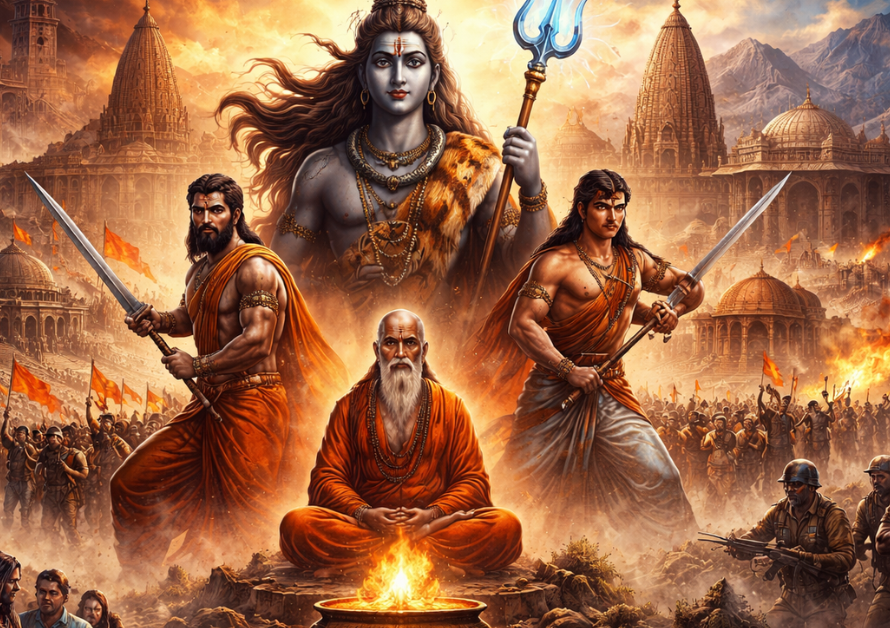
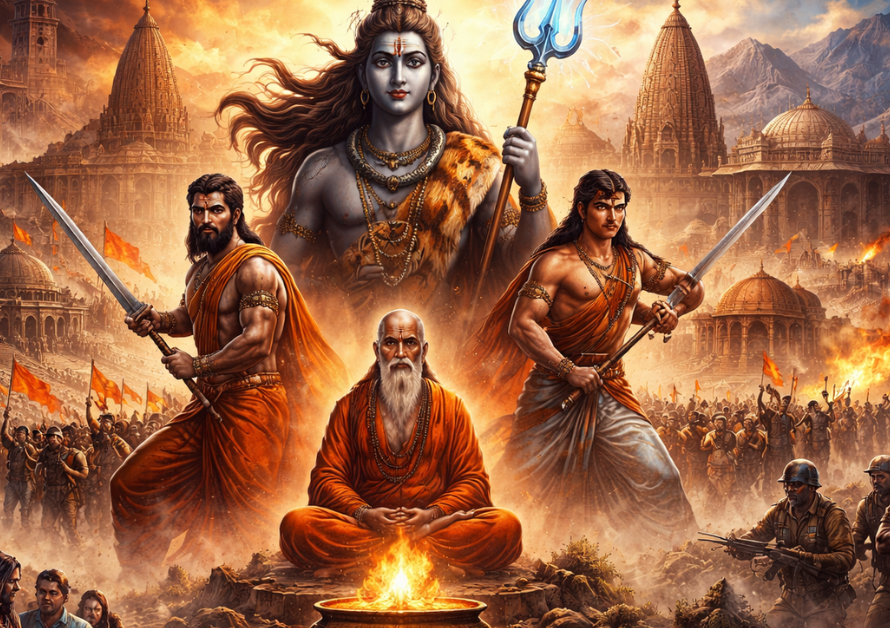
- Construction of the Ram Mandir: After a 500-year struggle, the construction and consecration of the grand temple of Lord Shri Ram in Ayodhya is seen as the greatest victory for Sanatana culture.
- Divine and Grand Corridors: The transformation of the Kashi Vishwanath Corridor, Ujjain’s Mahakal Lok, and the Kedarnath-Badrinath redevelopment has restored Hindu pilgrimage centers to their lost glory.
- End of Article 370: On August 5, 2019, the removal of Article 370 integrated Kashmir into the mainstream, ensuring India’s territorial integrity.
B. Economic Revolution: From “Fragile Five” to 4th Largest Economy
Strike on Corruption: Through DBT (Direct Benefit Transfer), middlemen were eliminated, stopping the looting of billions of rupees.
Leading World Growth: India is now the world’s fastest-growing major economy. Schemes like “Make in India” and “PLI” have turned India into a global manufacturing hub.
Digital India: In terms of UPI and digital infrastructure, India has surpassed even the US and Europe.
C. Military Power and Strategic Autonomy
- Strong Response to Terrorism: The Uri surgical strike and the Balakot airstrike ended Pakistan’s “nuclear blackmail.” India now strikes “inside the enemy’s home.”
- Defense Exports: India no longer just buys weapons; it sells missiles like “BrahMos” to the world. The Indian Army has become one of the most powerful (4th largest) in the world.
4. A Decisive Historical Shift
Over the last ten years, India has proved that development and heritage can go hand in hand.
- While there were attempts during the Congress rule to make Hindu society “second-class citizens” and hollow out the country economically, the Modi government has established India as a Global Power.
Today’s India stands firm on its borders, takes pride in its culture, and leads the world on the strength of its economy. This is not just a change of government, but the resurrection of India’s soul.
🇮🇳 Jai Bharat, Vandematram 🇮🇳
Read our previous blogs 👉 Click here
Join us on Arattai 👉 Click here
👉Join Our Channels👈