Why Memory, Dharma, and Awareness Are Essential for a Secure Future
1) Kashmir: Not an Isolated Event, but a National Warning
The events in Kashmir during 1989–90 were not a sudden law-and-order failure.
- They represented targeted intimidation, identity-based violence, and forced displacement.
- Professionals—teachers, doctors, administrators—were selectively attacked to spread fear.
- Threats were issued publicly; families were warned to leave.
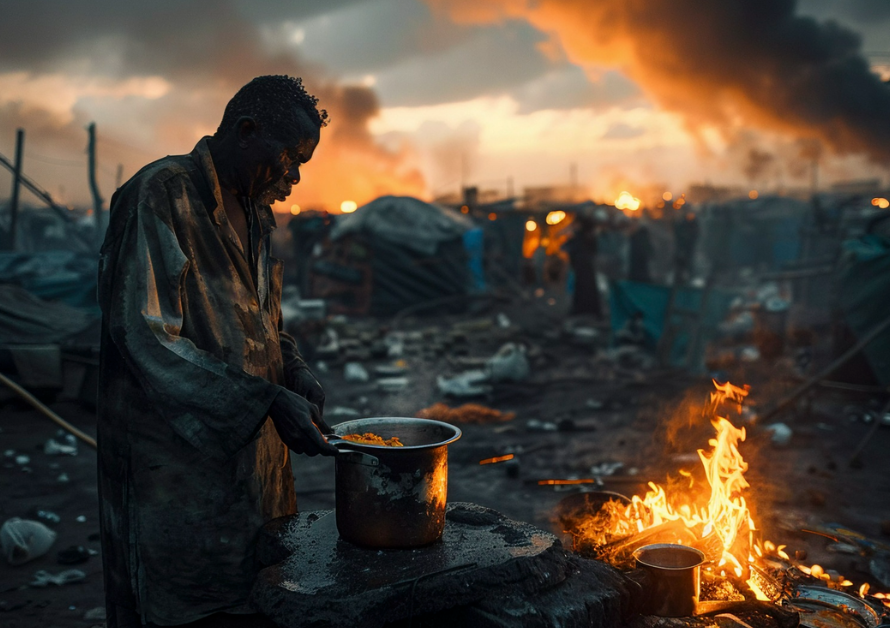
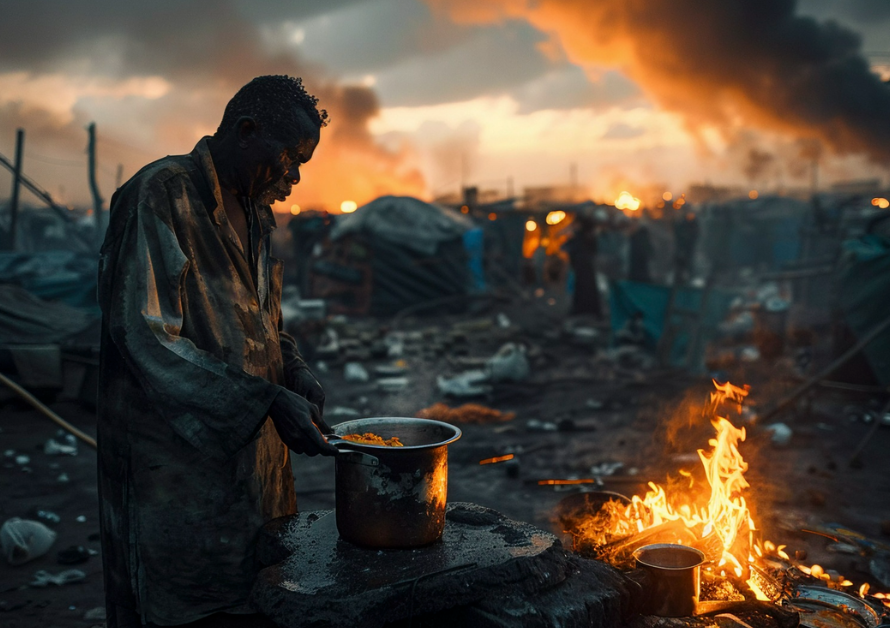
- Within months, a centuries-old community was uprooted and reduced to refugees within its own country.
Key lesson: When intimidation is normalized and ignored, displacement becomes inevitable.
2) The Exodus: Loss Beyond Property
- The displacement was not merely physical; it was civilizational.
Families left behind:
- homes and land,
- places of worship,
- schools and livelihoods,
- documents, savings, and memories.
Many believed the situation would normalize; it did not.
- The trauma carried forward to the next generation—born and raised away from ancestral homes.
Key lesson: Security is not abstract; it determines whether communities endure or disappear.
3) The Silence That Followed
Despite the scale of suffering:
- sustained national debate was limited,
- accountability was slow,
- public memory faded quickly.
- This silence was not only institutional; it reflected a broader social disengagement.
A tragedy of such magnitude should have reshaped national consciousness—but it did not.
Key lesson: Silence after injustice compounds the harm.
4) The Deeper Problem: Disconnection from History and Dharma
- Over the last 2–3 generations, many Indians grew up detached from their own history and civilizational context.
Education often emphasized:
- selective narratives,
- external frameworks,
- and material success over moral responsibility.
Sanatana Dharma was frequently reduced to ritual, losing its core meaning of:
- duty,
- balance,
- protection of society,
- and collective responsibility.
Key lesson: A society that forgets its foundations becomes vulnerable to repeating mistakes.
5) Apathy Disguised as Progress
Modern life encourages focus on:
- careers,
- income,
- comfort,
- and personal goals.
- Ambition is not wrong—but prosperity without awareness is fragile.
History shows that:
- wealth,
- stability,
- and status
can vanish rapidly when security collapses.
Key lesson: Comfort is temporary if vigilance is absent.
6) Partition and Kashmir: Repeated Warnings
- In 1947, many families believed coexistence would continue; mass displacement proved otherwise.
- In Kashmir decades later, educated and established families believed institutions would protect them; they were forced out.
In both cases:
- denial preceded disaster,
- hope replaced preparedness,
- and history repeated itself.
- Do we want to make the same mistakes and suffer again?
Key lesson: Ignoring early warning signs is the most expensive mistake a society makes.
7) Ahimsa vs. Passivity: A Necessary Distinction
- Non-violence is a moral strength, but not inaction.
Ahimsa does not mean:
- silence in the face of injustice,
- forgetting victims,
- or avoiding uncomfortable truths.
Dharma teaches balance:
- compassion with responsibility,
- peace with preparedness,
- tolerance with rule of law.
Key lesson: Moral clarity requires action within law and conscience.
8) Why Memory Matters
- Remembering past suffering is not about revenge; it is about prevention.
- Collective memory helps:
- recognize risks early,
- demand accountability,
- and protect pluralism through law.
- Forgetting history weakens judgment and delays response.
Key lesson: Memory is a form of national resilience.
9) The Path Forward: Awareness, Responsibility, and Balance
A secure future requires:
- honest history education,
- cultural literacy rooted in responsibility,
- civic engagement grounded in law.
National unity is strengthened not by denial, but by:
- truth,
- empathy,
- and preparedness.
Prosperity has meaning only when protected by awareness.
Key lesson: Awareness is not fear; it is foresight.
Awake, Not Afraid
- Kashmir is not just a chapter in the past; it is a continuing reminder.
- A nation that remembers its history, understands its dharma, and accepts collective responsibility becomes resilient.
- The goal is not to live in anxiety—but to live awake, ensuring that no Indian is ever again displaced, forgotten, or silenced.
🇮🇳Jai Bharat, Vandematram 🇮🇳
For old Blogs please visit our website www.saveindia108.in
👉Join Our Channels👈