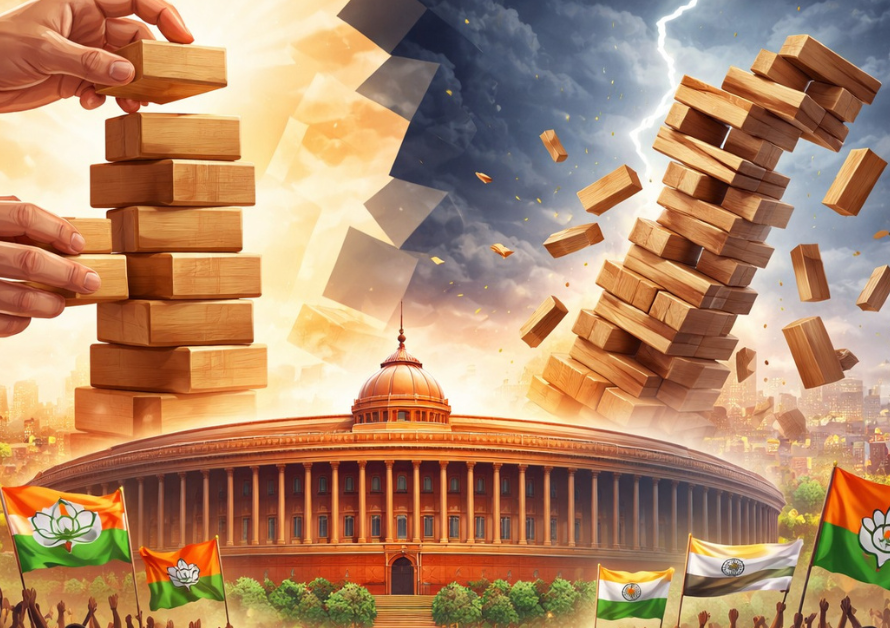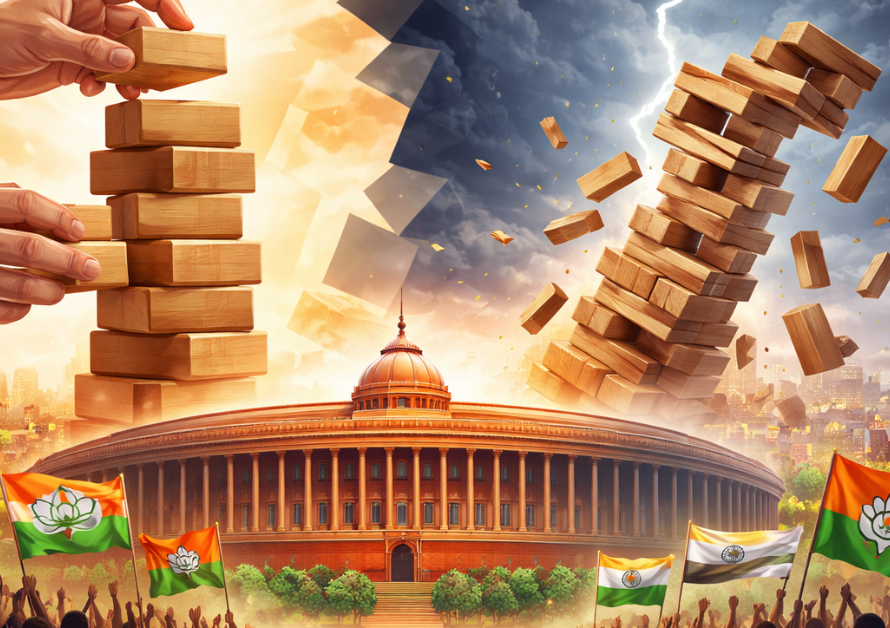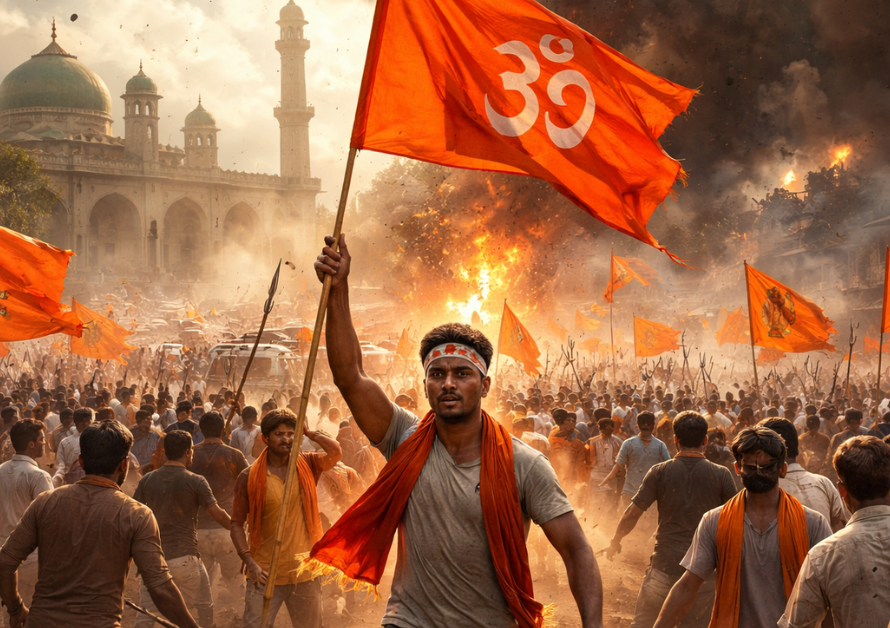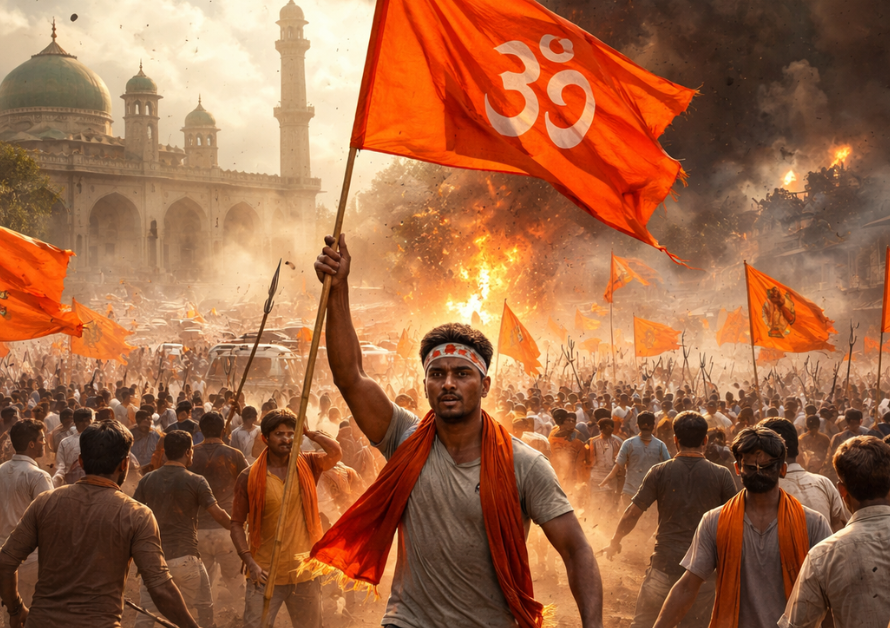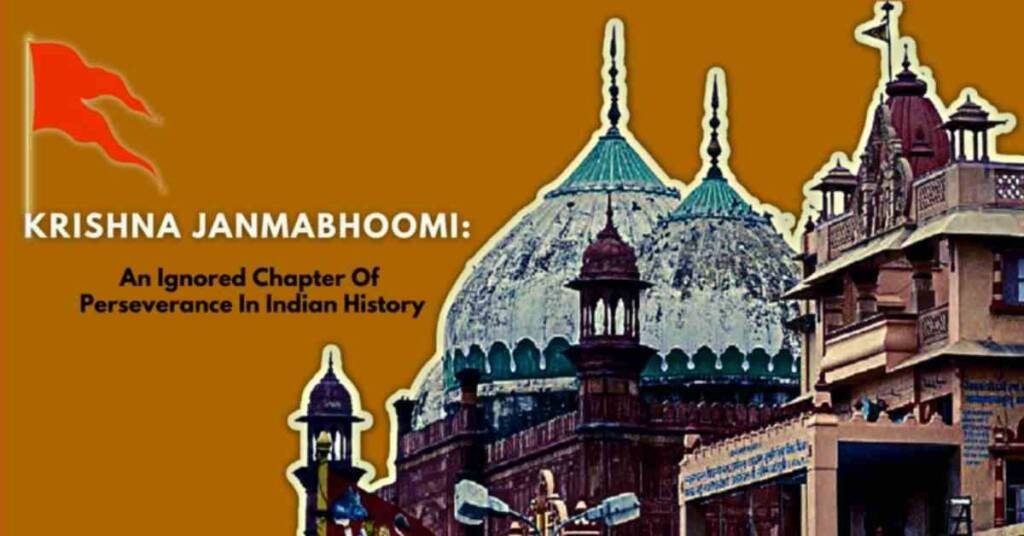
The Krishna Janmabhoomi Andolan (movement) is a long-standing and emotional issue centered around the Krishna Janmabhoomi temple complex in Mathura, Uttar Pradesh, India. This site is believed to be the birthplace of Lord Krishna, one of the most revered deities in Hinduism. However, the dispute involves the Shahi Eidgah mosque, which was built by Mughal Emperor Aurangzeb in 1670 on the site of the original Keshavdeva temple. The mosque stands next to the current Krishna Janmabhoomi temple, and this has sparked continuous religious and political tensions.
Why Is This Dispute So Important?
The Krishna Janmabhoomi dispute isn’t just about a temple and mosque. It’s a matter of cultural and religious identity. Many Hindus believe the original temple was destroyed by the Mughal emperor, and the mosque was constructed in its place. For them, the site holds deep significance as the birthplace of Lord Krishna, and they want to restore it to its former glory.
This dispute has been ongoing for decades, with various Hindu groups pushing for the removal of the Shahi Eidgah mosque and the restoration of the original temple. However, in 1968, a compromise was reached. A deal was made to allow the construction of the Krishna Janmabhoomi temple while keeping the mosque intact. But, many believe this compromise hasn’t truly resolved the issue, and the matter continues to fuel legal and social debates.
The Legal Battles
This conflict has sparked years of legal battles. The matter is still in court, with both sides presenting their arguments about the temple’s rightful place. Some Hindu groups feel that the mosque was illegally built and demand the restoration of the original temple, while others believe that peace can be maintained by preserving the current situation.
In recent developments, the Allahabad High Court has intervened, directing the media to report cautiously on the issue. The court warned that false or biased reporting could lead to legal consequences, highlighting how sensitive and emotional this issue is. The court also expressed concerns over the safety of those involved in the case.
The Role of the Media
The media has a crucial role in reporting this dispute. Accurate and fair coverage is important because misinformation can escalate tensions and lead to violence or protests. The court’s warning shows how media outlets need to be careful in how they present this issue. It’s not just about facts; it’s about how those facts are communicated to the public and the responsibility journalists carry when covering sensitive topics.
Why Should Youth Care?
This issue is not just about a mosque or temple; it’s about understanding and respecting different cultures and communities. It’s about learning to navigate the complexities of history and religion in a way that fosters dialogue and peace. Youth today are the future leaders and decision-makers, and they need to think critically about how to approach such issues in a way that builds unity rather than division.
Moreover, the Krishna Janmabhoomi Andolan is a reminder of the importance of cultural heritage and how historical conflicts can still affect modern society. Understanding this issue helps youth appreciate the diversity of India and the challenges it faces in reconciling its rich history with the demands of the present.
The Krishna Janmabhoomi Andolan is a complex and emotionally charged dispute that touches on issues of history, religion, and identity. For the youth of today, it’s important to understand the larger implications of such disputes and think about how to approach them with respect, empathy, and a commitment to peace. While the legal and political debates continue, the true goal should always be harmony, understanding, and a shared commitment to the future of India.
🇳🇪 Jai Bharat, Vandematram 🇳🇪