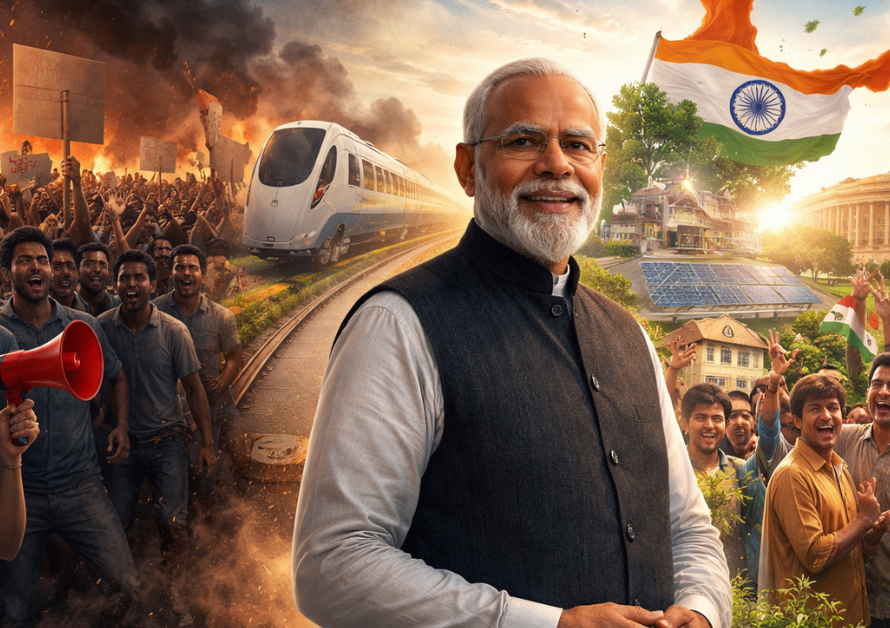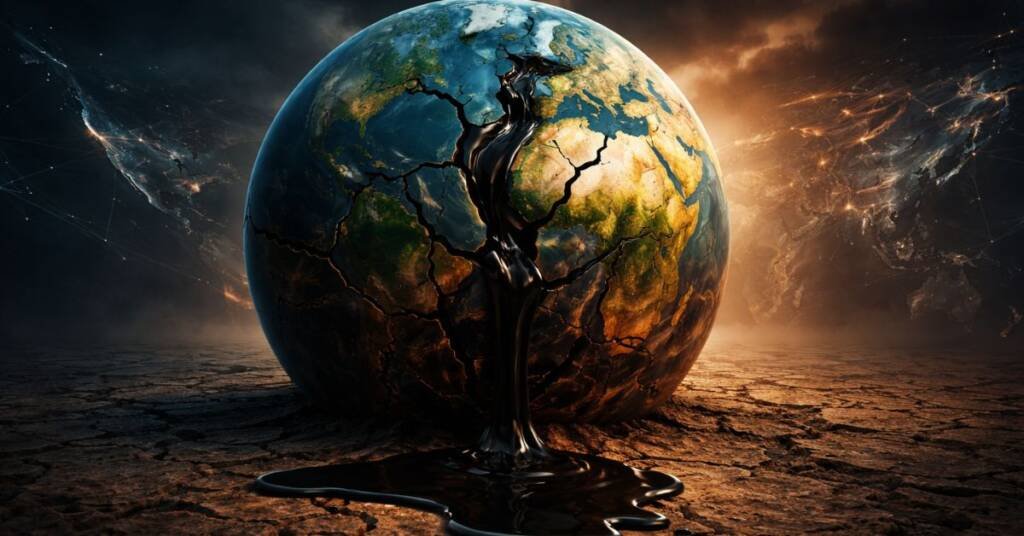
India’s Impregnable Shield in the 2026 Global Crisis
Summary:
- This in-depth analysis uncovers the ‘invisible’ policy shifts of Prime Minister Modi that have insulated India from the 2026 global oil crisis and the tremors of international warfare.
- It details the financial management under the “Siberian Bear” model, the historic 99.4% electrification of Indian Railways, and India’s strategic triumph against global “blackmailing.”
- This article clarifies how powerful diplomacy and futuristic planning have turned India into a self-reliant beacon amidst global instability.
1. The Siberian Bear Strategy: The Economic Wisdom of “Saving for the Winter”
To understand PM Modi’s financial management, one must look at a remarkable rule of nature: the “Siberian Bear.” This is not just a story; it is a live example of high-level Fiscal Discipline and ‘counter-cyclical’ economics.
- Accumulating Fat (2024-25): When the forest is full of honey and salmon, the bear eats well to store fat in its body, knowing that food will be scarce during the coming blizzards. Similarly, in 2024-25, when international crude oil was between $70-$80, the Modi government maintained excise duties at ₹13 (Petrol) and ₹10 (Diesel) instead of slashing retail prices. This was the accumulation of ‘Fiscal Fat’ for the nation.
- The Winter Crisis (March 2026): Today, as Middle East tensions (Israel-Iran) have pushed crude oil past $115/barrel and Red Sea routes have become unsafe, India is facing its ‘harsh winter.’ Fuel prices worldwide have spiked by 30%.
- Strategic Use of the Buffer: The cuts made on March 27, 2026 (reducing duty from ₹13 to ₹3 on Petrol and to Zero on Diesel) represent the utilization of that stored ‘fat.’ The government sacrificed its revenue so that the burden would not fall on your pocket. This is proactive fiscal management—saving in good times, providing relief in bad times.
2. The Railway Revolution: Freedom from the Slavery of 7 Million Liters of Diesel
We often see the glitter of new trains, but the change that has occurred on the ‘tracks’ is India’s greatest security victory—one the ‘Anti-India Ecosystem’ will never tell you about.
- The Lethal Burden of Diesel (Pre-2014): Before 2014, Indian Railways required approximately 7 million (70 lakh) liters of diesel every single day. This diesel was entirely dependent on imported crude oil. If that were the case today, the war would have broken supply chains, forcing a massive reduction in train services and paralyzing national transport.
- The Record of 99.4% Electrification: In 2014, only 33% of the rail network was electric. The Modi government has increased this to 99.4% (69,744 km).
- Power Self-Reliance: Today, our trains run on electricity produced by India’s own coal, nuclear power, and massive solar parks. Instead of depending on diesel imports, the Railways are now saving 1.78 billion liters of diesel annually.
- India produces so much electricity that we even sell it to neighboring countries like Nepal and Bangladesh. This is the “foresight” that keeps us worry-free during energy crises.
3. Silent Chanakya Diplomacy: Visits to Small Nations and the End of ‘Blackmailing’
Critics often questioned why PM Modi visits small countries like Oman, Guyana, Vietnam, or Namibia. Today, the strategic answer is clear.
- Security Circle of 41 Countries: Previously, India depended on only 27 countries (primarily OPEC) for its energy needs. PM Modi has expanded this to 41 countries.
- The Power of Options: When you have 41 options, no ‘Big Giant’ can blackmail India into bowing to its terms.
- Tariff Wars and the Deal with Trump: In February 2026, PM Modi used his personal credibility and ‘bargaining power’ to force even tough nations like the US to the negotiating table. While other nations are reeling under American tariffs, India secured special concessions for its products. This is ‘Silent Politics’—it doesn’t make noise; it hits the target directly.
4. The ‘Ecosystem’ Noise vs. The Invisible Ground Reality
An active class in India works 24/7 to diminish every great achievement by creating loud noise and distractions.
- Exposing the Negative Narrative: When railway electrification was underway, this ecosystem called it “wasteful expenditure.” When oil prices were kept stable, they ran “profiteering” propaganda. They never mention that the UPA era left a debt of ₹1.44 lakh crore in Oil Bonds, which the Modi government is still paying back with interest.
- Invisible Foundational Work: Previously, whenever a war broke out anywhere in the world, India faced difficulties. Now, the preparations to deal with such crises start long before they arrive. Expanding Strategic Petroleum Reserves (SPR) to 5.33 MMT and building new ones is part of this silent planning.
5. Historical Comparison: UPA’s ‘Debt’ vs. Modi’s ‘Skill’
- The UPA Era: Dr. Manmohan Singh pushed future generations into a swamp of debt to keep oil prices artificially low. It was like feasting on a credit card and leaving the bill for the children.
- The Modi Era: No new debt was taken here. The government adopted a ‘Duty Swing’ model—earning revenue during cheap oil periods and returning it to the public during expensive ones. It is transparent, honest, and the foundation of a Self-Reliant India.
6. The Future Shield: 2026 and Beyond
PM Modi’s vision isn’t just about lowering today’s petrol prices; it’s about permanently freeing India from energy shocks.
- Green Hydrogen and Ethanol: Achieving the 20% ethanol blending target in petrol is saving ₹50,000 crore annually in oil import bills.
- Logistics Costs: Railway electrification and the increased speed of freight trains have reduced India’s logistics costs from 14% of GDP to nearly 9%, making Indian products cheaper and more competitive in the global market.
The Happy Outcome of Foresight
- The peace we witness today—whether it is the uninterrupted running of trains, the absence of power cuts, or stable fuel prices—is no coincidence.
- It is the happy outcome of the foresight of a leader who sensed the coming storm a decade ago and built the dam before the rain started.
By the time the opposition and ‘experts’ even begin to understand the problem, Modi’s ‘Chanakya Diplomacy’ has already implemented the solution.
- This is the “New India,” which does not bow down to global crises but directs the world on its own terms.
🇮🇳Jai Bharat, Vandematram🇮🇳
Read our previous blogs 👉 Click here
Join us on Arattai 👉 Click here
👉Join Our Channels👈