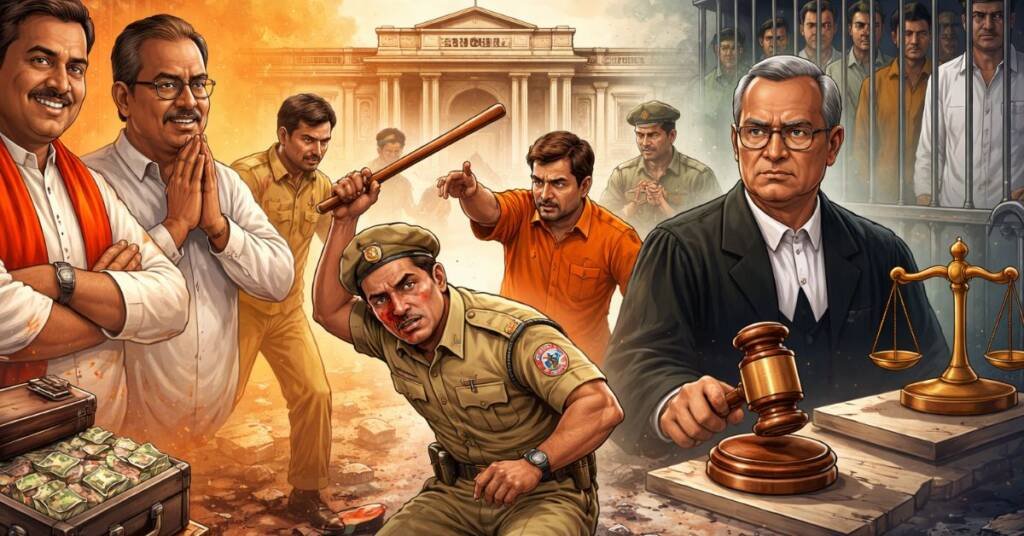
Summary:
- This comprehensive report details the 2011 mob lynching attempt on DIG Ashok Kumar Singh in Moradabad, Uttar Pradesh.
- It explores the catastrophic injuries sustained by the officer, the alleged political interference by the then-ruling Samajwadi Party that delayed justice for over a decade.
- The eventual 2026 court verdict that sentenced 16 perpetrators to life imprisonment under the current administration’s “Zero Tolerance” policy.
🌑 The Siege of Moradabad: The Events of July 6, 2011
The incident, known as the Mainather Incident, stands as one of the darkest days for the Uttar Pradesh Police. What began as a local dispute escalated into a full-scale assault on the state’s authority.
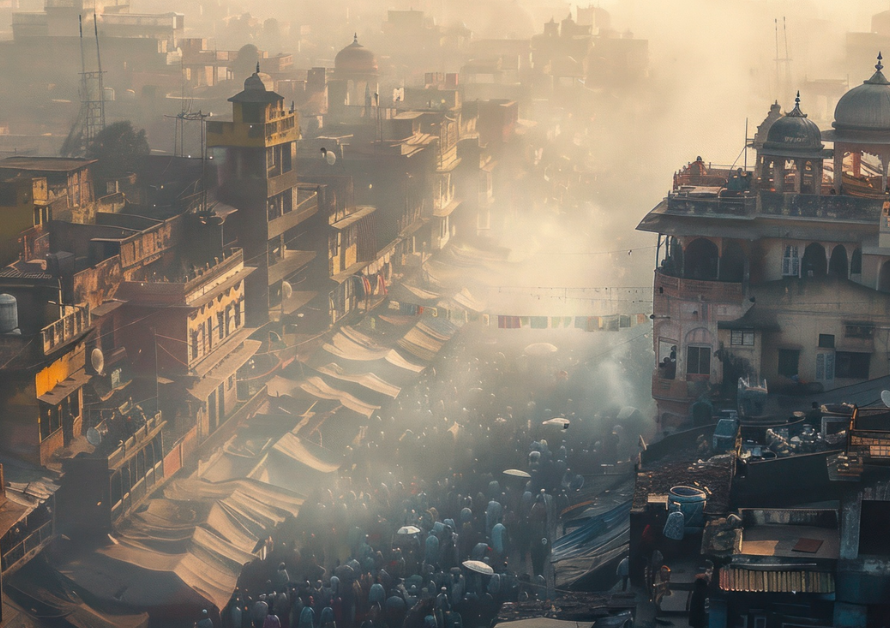
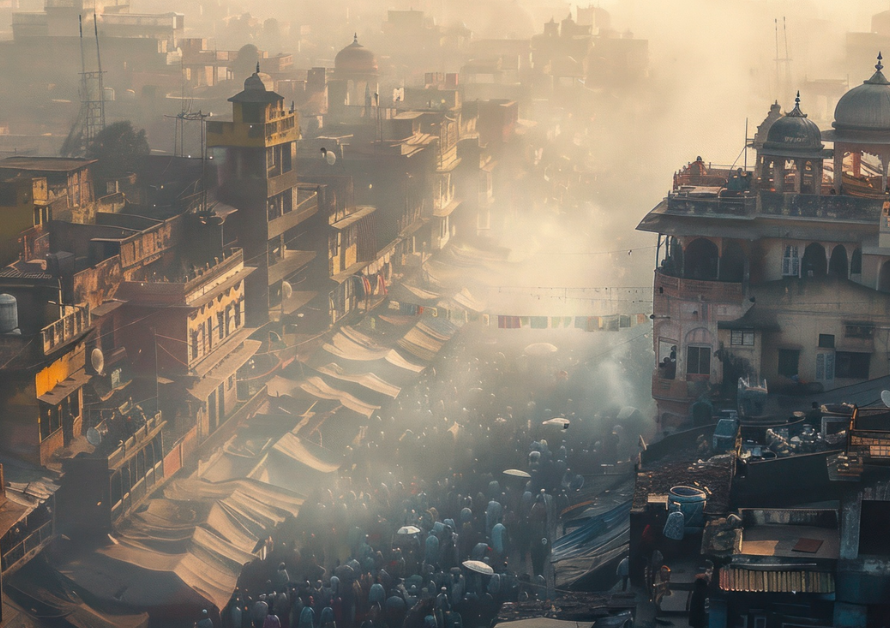
- The Trigger: A volatile rumor spread through Asalatnagar Bagha village regarding alleged police misconduct during a raid at a local residence.Within hours, a mob of hundreds—later swelling into thousands—gathered from Moradabad, Rampur, Sambhal, and Amroha.
- The Attack on Authority: The mob targeted the Mainather police station and the Dingarpur police outpost, setting them ablaze. Multiple police vehicles were torched, and rioters reportedly snatched service weapons from the personnel.
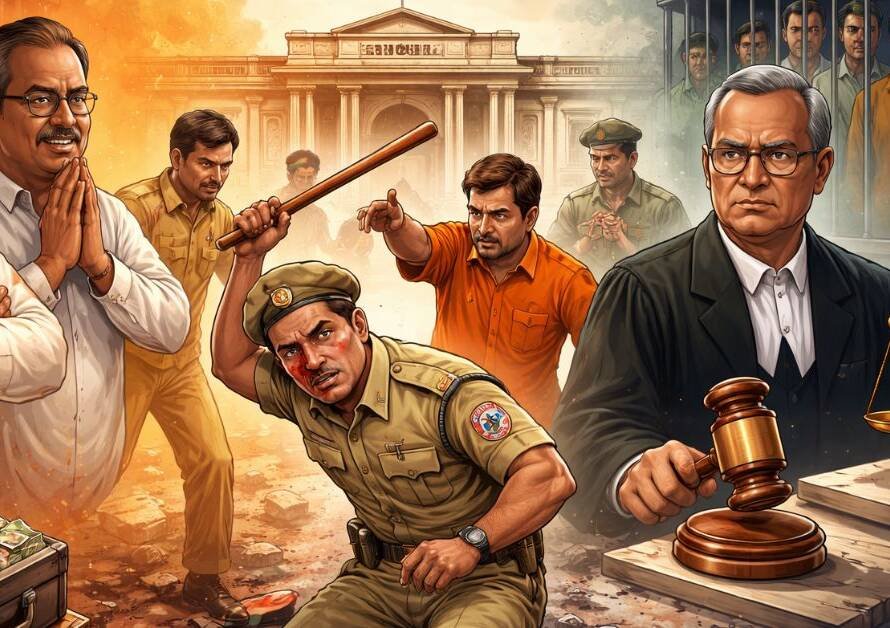
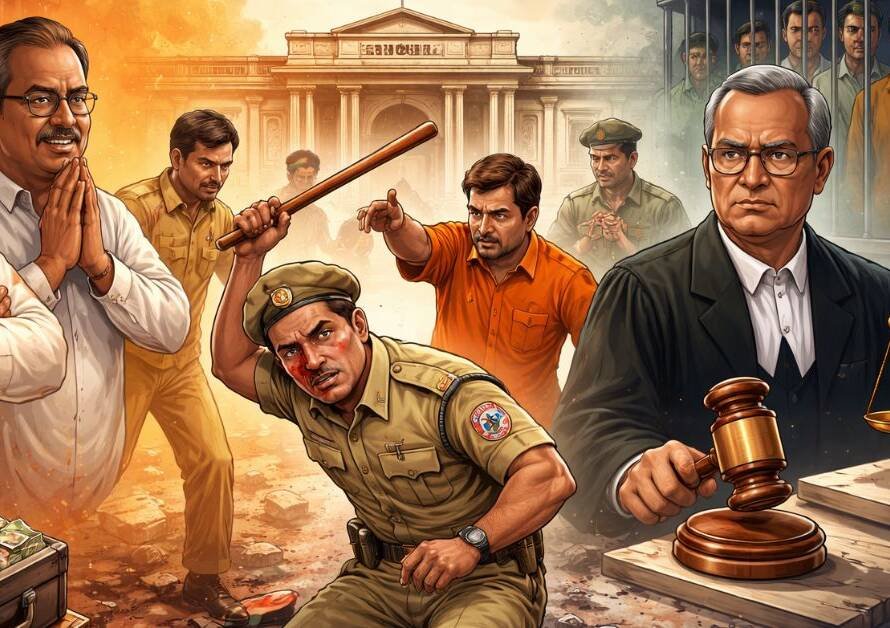
- The Targeted Lynching: As then-DIG Ashok Kumar Singh arrived to de-escalate the situation, the mob turned its fury directly on him. He was forced to seek refuge in a petrol pump toilet in Dingarpur. The rioters broke down the door with bricks and stones, dragging him out to be beaten with the intent to kill.
- The Abandonment: The assault was so severe that the mob only retreated when they believed the DIG had succumbed to his injuries. His service pistol was stolen, and he was left for dead in a pool of blood.
🩺 Medical Catastrophe: The Toll on a Uniformed Officer
The injuries sustained by DIG Ashok Kumar Singh were not merely “serious”; they were life-altering and required years of painful recovery.
- Neurological Trauma: The officer suffered a severe brain hemorrhage and remained in a critical coma for 12 days. Doctors at the time gave him a slim chance of survival.
- Structural Damage: Forensic and medical reports presented in court detailed 13 major fractures across his body. This included eight broken ribs, a shattered jaw, and multiple fractures in his limbs.
- Sensory Loss: The sheer force of the blows to his head caused both eardrums to rupture, leading to permanent hearing impairment. He also suffered significant vision loss in one eye due to ocular nerve damage.
A Long Recovery: It took over three months of intensive hospitalization for him to be stabilized, and several years of reconstructive surgeries to restore his basic motor functions.
⚖️ The Era of Impunity: Allegations of Political Shielding (2012–2017)
For nearly 15 years, the perpetrators of this heinous act walked free, allegedly protected by the political machinery of the time.
- The “Silent” Force: On the day of the attack, many police personnel were present, armed with 9mm pistols and AK-47s. However, they did not fire.
- The narrative prevalent in the force was a fear of the Samajwadi Party (SP) government’s stance; it was widely believed that any action against the mob would result in the officers being suspended or jailed by the state leadership.
- Administrative Paralysis: Under the leadership of Akhilesh Yadav and the influence of Azam Khan, the case languished. Critics and legal observers noted that the government did not appoint a strong prosecution team, and key witnesses—including fellow police officers—often turned “hostile” due to a lack of state protection.
The “Guaranteed Protection” Myth: The rioters reportedly acted with the conviction that their political connections would shield them from any legal consequences, regardless of the rank of the officer they attacked.
🔄 The Judicial Turnaround: Justice Under the “Yogi Model”
The trajectory of the case shifted dramatically with the change in the state’s executive leadership and a renewed focus on the “Rule of Law.”
- Reopening the Case: Under the Yogi Adityanath administration, the Home Department ordered a “zero-tolerance” review of all pending cases involving attacks on public servants. The “Mainather File” was prioritized for fast-track prosecution.
- Evidence and Advocacy: For the first time in a decade, the prosecution utilized advanced video forensic evidence to identify the rioters. The state appointed a dedicated legal team (including Assistant District Government Counsel Brijraj Singh) to ensure that the testimony of the victim, now ADG Ashok Kumar Singh, was supported by ironclad documentation.
- Protecting the Uniform: The government sent a clear signal to the police force that they would be protected if they testified against criminals, effectively breaking the “code of silence” that had protected the mob for years.
📢 The Final Verdict: March–April 2026
Fifteen years after the blood-soaked evening in Moradabad, theAdditional District and Sessions Court (ADJ-II, Krishan Kumar) delivered a landmark judgment.
- Life Imprisonment: On March 28, 2026, the court sentenced 16 individuals to Life Imprisonment for charges including attempt to murder (Section 307 IPC), rioting with deadly weapons, and robbery of government arms.
- Additional Sentences: Three other accused were handed 30-year prison terms, while four of the original accused had died during the long duration of the trial.
The Message: The court emphasized that a mob cannot be allowed to believe it is more powerful than the law. This verdict is now seen as a restoration of the dignity of the Uttar Pradesh Police.
🚩 The Warning for the Future
The resolution of the Moradabad DIG case serves as a stark reminder of the consequences of political interference in criminal justice.
- Institutional Safety: If a high-ranking officer like a DIG could be lynched in broad daylight while his subordinates stood by in fear of their political masters, it highlights a system where the “ordinary citizen” has no protection.
- The Stakes of Governance: The narrative suggests that a return to the administrative styles of the past could embolden such elements again. The conviction of these 16 men is presented not just as a legal victory, but as a defense of the state’s sovereignty over mob rule.
- A Symbol of Resilience: Today, ADG Ashok Kumar Singh stands as a symbol of resilience. Having survived a lynching and a coma, his career continued to the highest levels of the IPS, eventually seeing his attackers face the full might of the law he dedicated his life to serve.
🇮🇳 Jai Bharat, Vandematram 🇮🇳
Read our previous blogs 👉 Click here
Join us on Arattai 👉 Click here
👉Join Our Channels👈