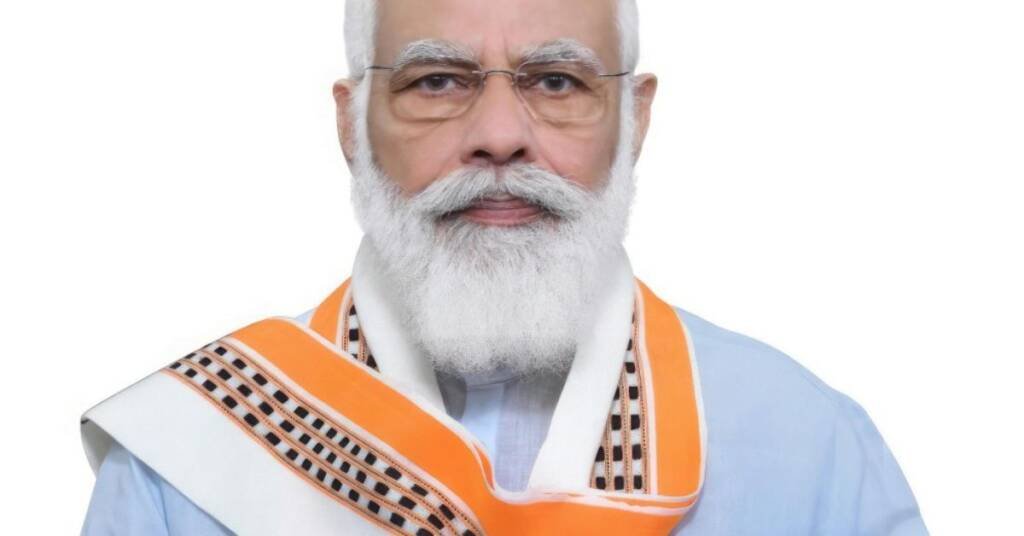
Narendra Modi’s Global Leadership
- India’s foreign policy and global role have undergone a remarkable transformation over the past decade.
- At the center of this transformation—often highlighted in global strategic discourse—is the leadership of Prime Minister Narendra Modi.
- Whether in strategic partnerships, high-visibility diplomacy, economic positioning, or India’s role in a multipolar order, Modi’s leadership continues to draw reactions from major global leaders.
This narrative reflects how the world perceives Modi’s leadership in a geopolitical and analytical context.
SECTION 1 — Introduction: India’s Repositioning on the Global Stage
Global politics is changing rapidly. Where once only a handful of major powers defined world order, India is now increasingly seen as a central stabilizing force with:
- Economic momentum
- Technological capability
- Demographic strength
- Strategic autonomy
This rising profile is reflected in the statements of several global leaders who have publicly commented on Modi’s leadership and India’s expanding role.
SECTION 2 — Vladimir Putin’s Remarks: Trust, Reliability, and Strategic Confidence
Russian President Vladimir Putin recently made high-visibility remarks about Modi’s leadership:
- “India got lucky… Modi lives and breathes India.”
- “He is a very reliable person.”
Why This Matters:
- Russia views India’s leadership as stable and dependable.
- It reinforces the long-standing India–Russia strategic partnership in energy, defense, nuclear cooperation, and technology.
- Putin’s timing—amid strained Russia-West relations—signals India’s importance in global realignment.
Key Implications:
- Strengthening long-term energy ties
- Expanding defense collaboration
- Reaffirming India’s autonomous foreign policy
Putin’s comments highlight his view that Modi’s leadership centers firmly on India’s national interests, making India a “reliable strategic partner.”
SECTION 3 — What Other Global Leaders Are Saying About Modi’s Leadership
🇮🇹 3.1 Giorgia Meloni (Italy)
- Described Modi’s leadership as “dynamic” and “vision-driven.”
- Stated that India has become a “central partner” for Europe under his tenure.
Acknowledged the clarity and assertiveness of India’s foreign policy direction.
🇮🇱 3.2 Benjamin Netanyahu (Israel)
- Referred to Modi as a “trusted friend”.
- Highlighted that India–Israel relations deepened significantly during Modi’s term.
- Praised cooperation in cyber security, defense innovation, and advanced agriculture.
🇦🇺 3.3 Australia & Indo-Pacific Leaders
- Recognized Modi’s role in shaping Indo-Pacific stability, especially through the Quad.
- Seen as a major balancing force in maritime security and regional diplomacy.
🇺🇸 3.4 U.S. Public Figures & Analysts
American analysts and commentators have stated:
- “Modi represents a new model of leadership among emerging democracies.”
- “India is becoming indispensable to global strategy under his tenure.”
These are analytical judgments rather than political endorsements, reflecting India’s rising geopolitical weight.
🌍 3.5 Global Surveys & Metrics
- In 2025, Modi ranked at the top of global approval ratings among major world leaders (approx. 75%).
- International studies cite India’s high visibility in global governance as a contributing factor.
SECTION 4 — Global Dimensions of Modi’s Leadership
🔹 Foreign Policy Autonomy
- India has followed an independent course— aligned neither with a single bloc nor influenced by external pressure.
🔹 Strategic Multilateralism
Modi-era diplomacy is characterized by:
- Multi-alignment
- Issue-based partnerships
- A focus on national interests over geopolitical blocs
🔹 Economic & Technological Partnerships
India’s role expanded in:
- G20 leadership
- Semiconductor collaborations
- Supply-chain diversification
- Renewable energy initiatives
- High-tech defense and aerospace partnerships
🔹 High-Engagement Diplomacy
- Analysts note Modi’s leadership includes visible, direct engagements that help shape global perception and strengthen India’s diplomatic footprint.
SECTION 5 — Why Global Reactions to Modi’s Leadership Matter for India
1. Strengthening India’s Strategic Position
- International acknowledgment enhances India’s leverage in diplomatic negotiations and multilateral frameworks.
2. Confidence Among Major Powers
- Positive assessments from leaders across Russia, Europe, the Indo-Pacific, and the Middle East reflect growing trust in India’s decision-making stability.
3. Expansion of Investment & Tech Pathways
- Stable leadership perception boosts global investor confidence and strengthens India’s role in supply chains and technological ecosystems.
4. Rising Visibility in Global Governance
- India’s voice has become more influential at:
- G20
- UN
- Quad
- SCO
- BRICS
- Indo-Pacific coalitions
SECTION 6 — The Necessary Balance (Challenges Remain)
Despite global recognition, India must carefully navigate:
- U.S.–China–Russia strategic tensions
- Energy security and climate commitments
- Regional conflicts in Asia
- Technology export controls and defense regulations
India’s foreign policy equilibrium will remain crucial as its global prominence increases.
SECTION 7 — Conclusion: Global Perceptions of Modi Reflect India’s Broader Rise
The reactions from global leaders show that Modi’s leadership is perceived internationally as:
- Stable
- Consistent
- Strategically focused
- Vision-oriented
- Trust Worthy
This contributes to India’s rising global profile. However, as India takes on a more visible role, maintaining diplomatic balance, economic momentum, and strategic autonomy will be vital.
- India’s ascent is not solely the product of any one leader—
but Modi’s leadership has become a focal point in how the world reads India’s trajectory today.
🇮🇳Jai Bharat, Vandematram 🇮🇳
For old Blogs please visit our website www.saveindia108.in
👉Join Our Channels👈