🔎 Summary
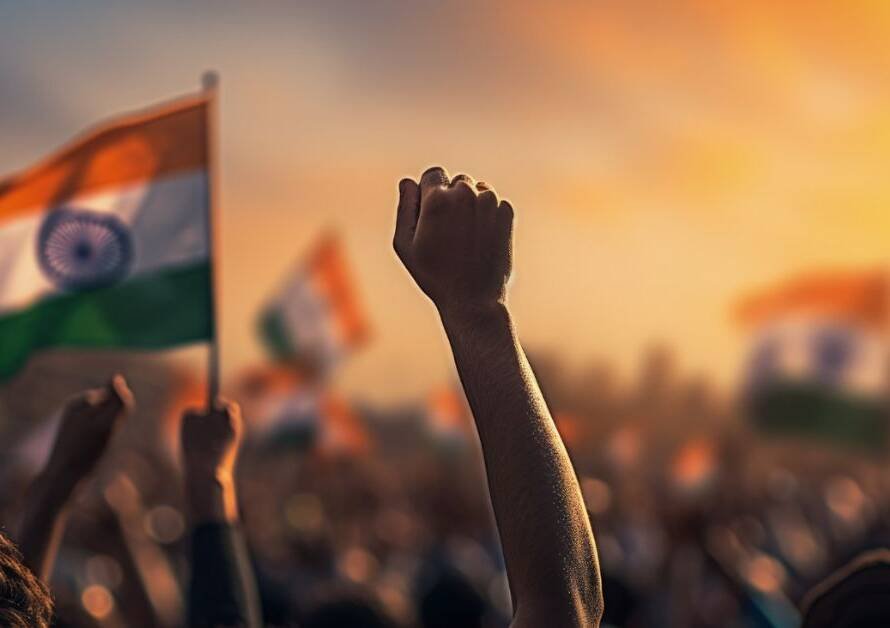
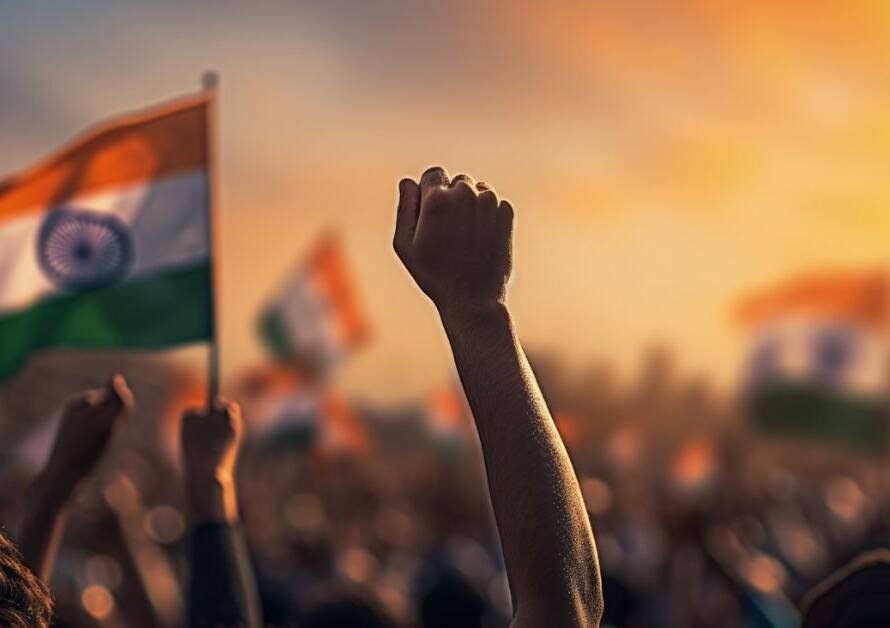
- India is passing through a transformative phase marked by economic expansion, digital connectivity, global visibility, and intense political debate.
- In such times, emotionally charged and alarmist narratives can spread rapidly, creating fear, suspicion, and polarization. While political differences are natural in a democracy, panic-driven messaging and community-based hostility weaken national stability.
- This is not a moment for hysteria — it is a moment for awareness, responsibility, and constitutional commitment.
- The strength of a nation lies not in emotional escalation but in social cohesion, institutional stability, and informed citizenship.
🇮🇳 1️⃣ India at a Crucial Moment in History
India today represents:
🌏 One of the fastest-growing major economies
🛰️ Expanding digital and technological reach
🚢 Growing maritime and strategic presence
🏗️ Massive infrastructure transformation
🌐 Rising global diplomatic influence
At such turning points, internal stability becomes even more important. When a nation rises, internal polarization can slow its momentum. Stability ensures that growth continues uninterrupted.
🧠 2️⃣ Understanding the Psychology of Fear-Based Narratives
Emotionally charged political messages often rely on:
⚠️ Claims of imminent collapse
⚠️ Predictions of civil unrest
⚠️ Targeting of communities or identity groups
⚠️ Portrayal of political rivals as existential threats
Fear is a powerful mobilizing tool. But fear-based mobilization has consequences:
- Erodes trust between communities
- Weakens institutional faith
- Divides society into hostile camps
- Distracts from policy-based evaluation
A mature democracy requires rational participation — not emotional panic.
📱 3️⃣ The Role of Social Media and Algorithmic Amplification
Digital platforms are designed to maximize engagement. Engagement increases when content:
- Triggers outrage
- Reinforces identity bias
- Amplifies conflict
- Simplifies complex issues into dramatic narratives
This creates echo chambers where:
- You repeatedly see content aligned with your existing beliefs
- Opposing viewpoints are framed as enemies
- Nuanced debate disappears
Responsible digital citizenship requires:
✔ Verifying information before sharing
✔ Checking credibility of sources
✔ Avoiding inflammatory language
✔ Refusing to forward unverified conspiracy claims
A viral message is not necessarily a true message.
⚖️ 4️⃣ Democracy Thrives on Institutions, Not Alarmism
India’s democratic framework provides:
🗳️ Regular elections
🏛️ Independent judiciary
📰 Free media
🧑⚖️ Constitutional safeguards
🧑🤝🧑 Civil society participation
When citizens bypass institutions and react to alarmist calls for confrontation:
- Institutional credibility weakens
- Social order destabilizes
- Economic confidence declines
Strong nations solve disagreements through law, debate, and elections — not through panic.
🌍 5️⃣ Lessons from Global Instability
Across the world, nations that experienced prolonged internal unrest often faced:
📉 Economic contraction
💸 Investor withdrawal
🏦 Financial instability
👥 Social fragmentation
🌐 Diplomatic setbacks
Internal conflict benefits no citizen — regardless of political preference.
India’s long-term prosperity depends on:
- Law and order
- Social trust
- Policy continuity
- Responsible opposition and responsible governance
🛡️ 6️⃣ Political Support Is Legitimate — Panic Is Not
Every citizen has the constitutional right to:
- Support any political party
- Criticize government policies
- Campaign for change
- Participate in lawful protest
However:
- Spreading fear of disturbances without evidence
- Portraying entire communities as threats
- Predicting societal collapse based on speculation
- Encouraging emotional division
undermines the very democracy we seek to protect.
- Strong political conviction must coexist with social restraint.
📈 7️⃣ Development Requires Stability
India’s growth trajectory depends on:
- Infrastructure expansion
- Manufacturing competitiveness
- Digital innovation
- Foreign investment
- Employment generation
Social unrest or sustained polarization can:
- Slow projects
- Increase economic risk perception
- Divert administrative energy
- Create long-term social distrust
Development and division cannot coexist sustainably.
🤝 8️⃣ Unity Over Identity-Based Hostility
India’s strength lies in its diversity:
- Multiple languages
- Multiple faiths
- Multiple castes and communities
- Regional identities
Turning these identities into battle lines weakens national cohesion.
Responsible citizenship means:
- Rejecting community-targeted hostility
- Promoting respectful dialogue
- Recognizing disagreement without demonization
- Prioritizing national interest over factional anger
🧭 9️⃣ The Citizen’s Responsibility
A strong nation is built not only by leaders, but by citizens who:
- Think critically
- Act calmly
- Debate respectfully
- Participate lawfully
- Resist manipulation
Before forwarding any alarming message, ask:
- Is this verified?
- Is this constructive?
- Does this promote unity or fear?
- Would I say this face-to-face with the same intensity?
Patriotism is discipline — not panic.
🔱 Strength Through Stability
- India is not fragile. It is a civilizational nation with deep institutional foundations and democratic resilience.
- Political competition will continue. Debate will intensify. Differences will remain. That is normal.
What must not become normal is:
- Fear-based mobilization
- Identity-driven hostility
- Rumor-based panic
- Institutional distrust
The future of India depends on informed, calm, responsible citizens who choose unity over outrage and constitutional order over chaos.
- True national strength is measured not by how loudly we react —
but by how steadily we stand.
🇮🇳 Jai Bharat, Vandematram 🇮🇳
Read our previous blogs 👉 Click here
Join us on Arattai 👉 Click here
👉Join Our Channels👈