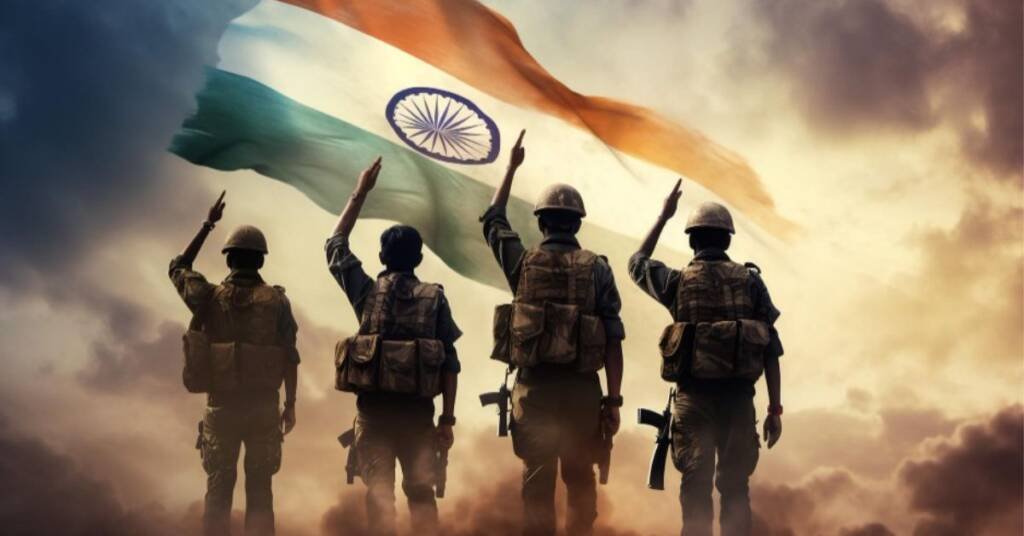
National Security First
I. Faith Is Sacred, Misuse Is Not
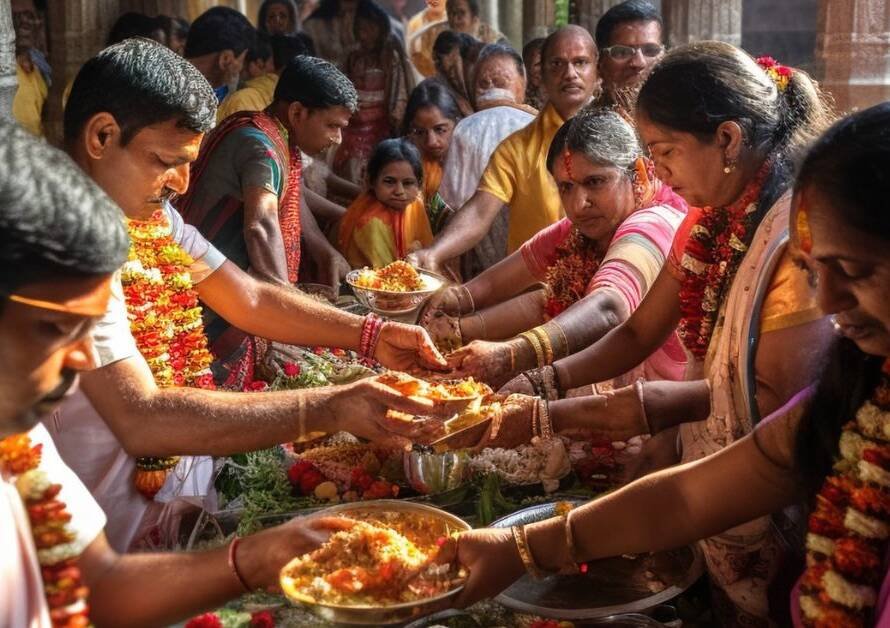
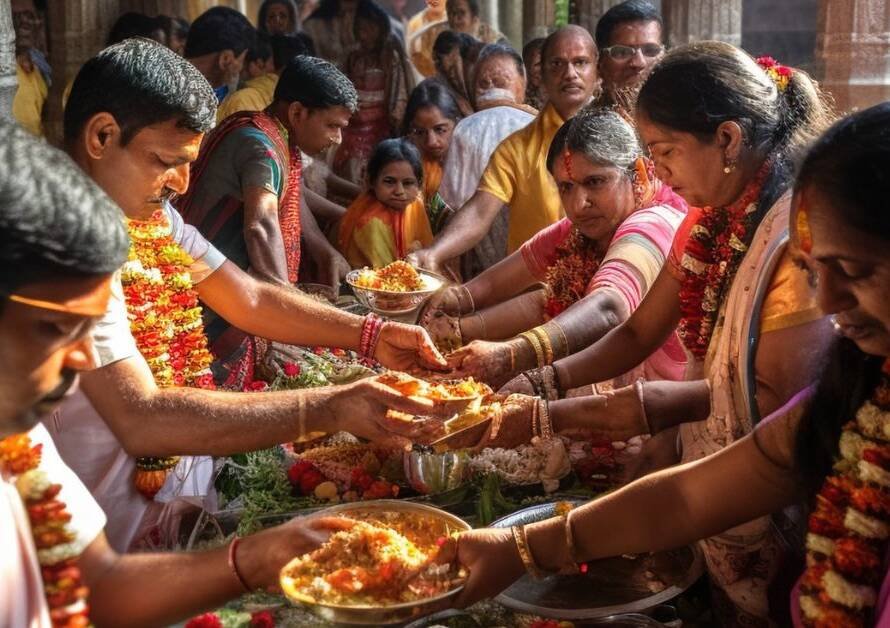
- India has always stood as a civilizational model where temples, mosques, churches, gurudwaras, monasteries, deras, akharas and ashrams are treated with dignity and equal respect.
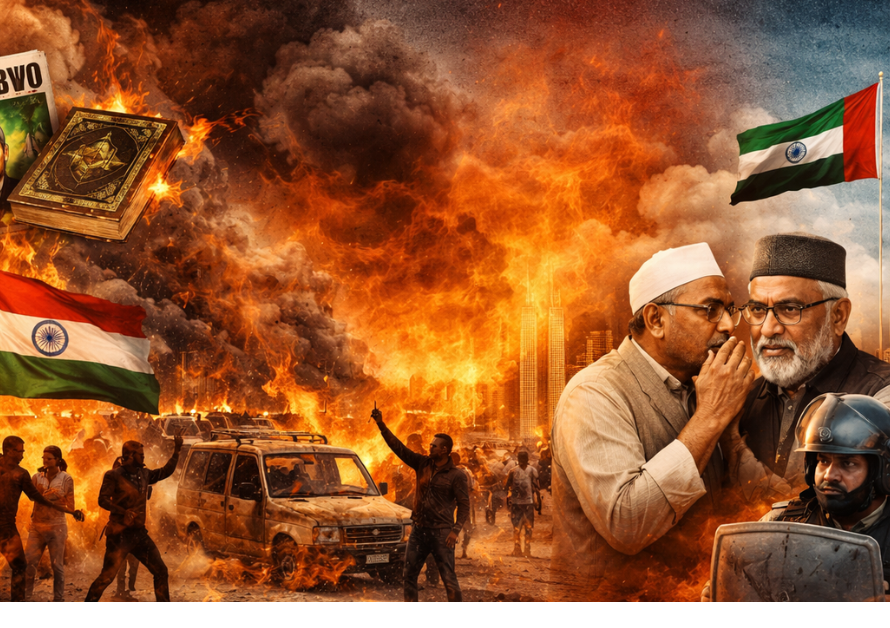
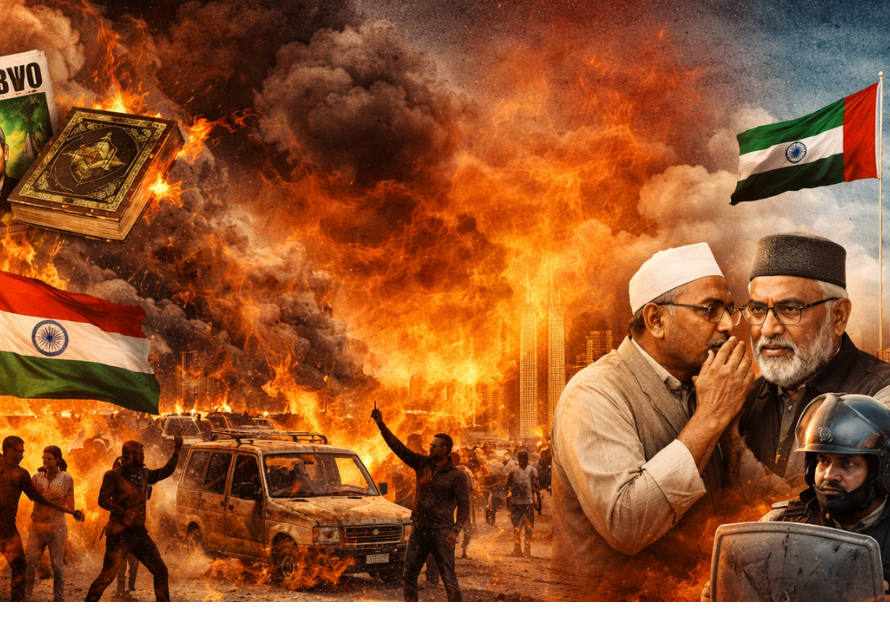
- But the emerging pattern of illegal sheltering, subversive mobilization, extremist teachings, and arms concealment within select, unregulated religious premises forces the State to intervene in the interest of sovereignty.
- The problem is not the community
- The problem is the criminal fraction hiding within it
- The burden of scrutiny unfortunately falls on the entire institutional spectrum
This dynamic is painful, but real.
II. When a Few Endanger Many: Moral and Security Implications
1. The Minority of Extremists Causes Disproportionate Damage
- Even if extremists are less, their activities:
- Tarnish the perception of the entire community
- Trigger national security alerts
- Force deeper government verification
- Invite media, intelligence and border agency scrutiny
2. Abuse of Religious Cover
Radical networks exploit:
- Public immunity given to places of worship
- Legal hesitation to conduct raids
- Social reverence that shields scrutiny
This turns spiritual spaces into:
- Safehouses
- Arms transit depots
- Identity-masking hubs
- Cross-border ideological supply chains
III. Why Wider Scrutiny Becomes Unavoidable
Even if only a few premises are misused, the State must broaden inspection because:
- Arms may move between institutions
- Illegal migrants may shift locations
- Radical preachers may circulate across districts
- Funding and indoctrination networks rarely operate in isolation
Therefore:
- Scrutiny of even innocent premises is not bias — it is preventive national security measure.
If the misuse is concentrated in a pattern (border districts, unregistered seminaries, unmonitored prayer rooms), then verification will focus on those zones and structures. That is not discrimination; it is threat mapping.
IV. Rejecting the Wrong Narrative: “Differential Treatment”
Many times, when authorities initiate audit or regulation, claims arise:
- “Our faith is being targeted.”
- “Why are our premises checked?”
- “Why is our community under watch?”
The mature response must be:
- Scrutiny follows risk, not religion.
If radicals repeatedly choose a particular type of institution as shelter or staging ground, it becomes the inevitable focus of counter-terror measures.
Thus, neither:
- Government
- Law enforcement
- Nor other communities
should be blamed for selective inspection when the misuse pattern is not uniform across all religious premises.
V. What Responsible Oversight Looks Like
A. Legal, Non-Communal, Systemic
- Apply rules to all religious institutions equally
- But allocate investigative bandwidth where actual misuse signals emerge
B. Transparency Measures
- Mandatory registration of educational wings (madrasas, gurukuls, Bible schools)
- Tracking of foreign faculty, guest preachers, donors
- Clear land ownership and structural legality
C. Financial & Curriculum Scrutiny
Annual audit of:
- Foreign funding
- Donations from unknown channels
- NGO-linked ideological grants
Removal of:
- Radical publications
- Hate-propaganda literature
- External teachings advocating separatism
D. Digital Surveillance for Extremist Content
- Encrypted chat channels used to recruit youth
- Audio radical sermons circulated online
- Unmonitored community WhatsApp/Telegram religious clusters
These require monitoring without demonizing community life.
VI. Role of Community Leadership: Internal Cleansing for Collective Safety
True faith leadership has a moral and national duty to:
- Distance itself from extremist clergy
- Deny sanctuary to undocumented foreigners
- Report suspicious material, funding or gatherings
- Encourage curriculum modernization
- Accept lawful audits with dignity
Key Principle:
- Self-purification protects the community from external suspicion.
If internal action against radicals strengthens, external scrutiny will naturally reduce.
VII. Burden of Scrutiny: Painful but Necessary
Unfortunately, because radicals weaponize religious spaces:
- Innocent institutions face surprise inspections
- Peaceful clerics are questioned
- Normal students undergo verification
- Documentation becomes mandatory
This is not communal targeting — this is security filtration.
Hard Truth:
- If misuse continues, community-wide verification is not oppression but obligation.
VIII. Sovereignty Above Sentiment
- India is a 5000-year civilization but also a 21st century nuclear power.
- National security cannot bend before emotional discomfort.
- Worship is a right, Terror-shielding is not
- Religious practice is sacred, Abuse of religious sanctity is not
- When extremists and jihadis exploit prayer spaces, they do not only violate law — they violate the faith they claim to represent.
IX. Nation First, Harmony Forever
- India respects every path to the Divine
- But India cannot permit illegal activity behind divine walls
- Law will remain neutral, but firmness will remain absolute
Final Principle:
- Scrutiny does not target faith. It targets the misuse of faith.
A handful of subversive actors must not drag entire communities into suspicion — yet if misuse persists, scrutiny of all becomes unavoidable. That is not hostility; it is civilizational self-defence.
🇮🇳Jai Bharat, Vandematram 🇮🇳
For old Blogs please visit our website www.saveindia108.in
👉Join Our Channels👈