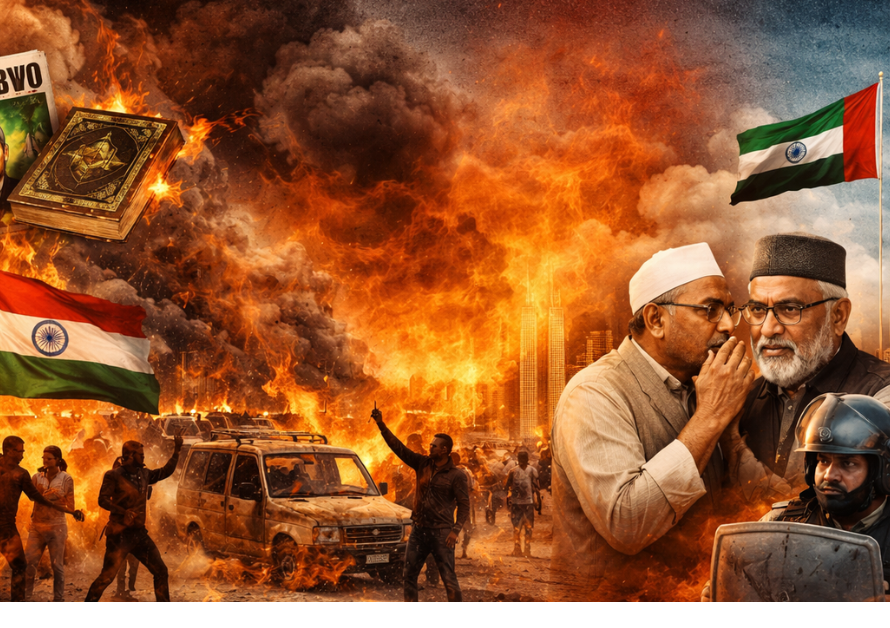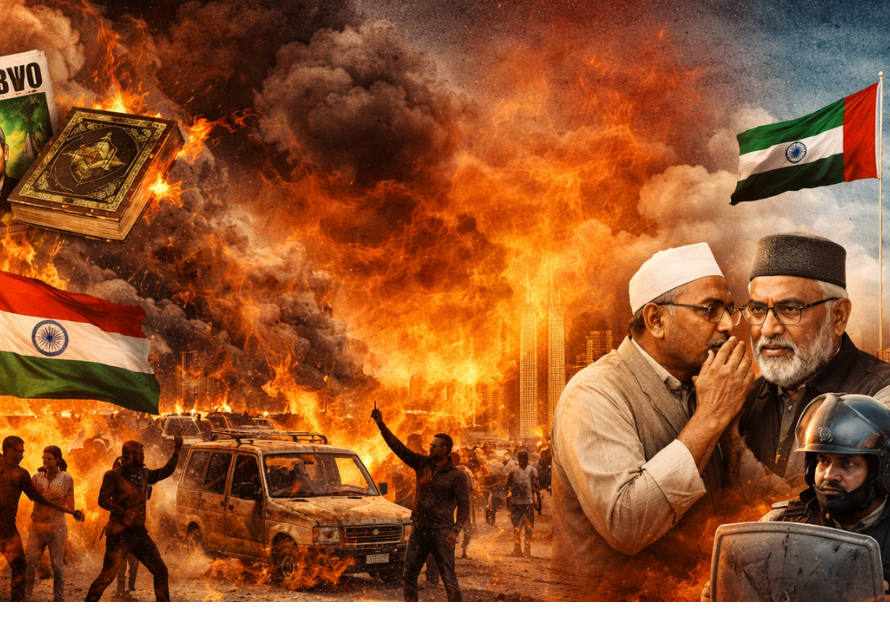
Modi Era Has Begun a True National Renaissance
- After independence, the responsibility to guide India in the right direction rested with the Congress leadership.
- But unfortunately, the poor decisions, emotional policies, and unrealistic idealism of those early years left India economically, strategically, and socially weakened.
- Today, as India rises as a global power, it becomes essential to revisit those historical mistakes so that the nation never pays such a heavy price again.
🔴 1. Nehru’s Strategic Miscalculation on Kashmir — Winning the War but Losing Half the Land
By 1947–48, the Indian Army had liberated nearly all of Kashmir.
But Nehru:
- Declared a unilateral ceasefire
- Internationalized the issue by taking it to the United Nations
- Created Article 370, keeping Kashmir isolated from India
📌 Results:
- PoK permanently lost forever
- 70 years of terrorism
- Exodus of Kashmiri Hindus
- Root cause of India–Pakistan tensions even today
This remains the most damaging wound in India’s national security history.
🔴 2. Silence on Tibet — Allowing China Direct Access to the Himalayas
- China invaded and occupied Tibet in 1950.
India could not intervene because—
- Nehru believed that “China poses no threat to India.”
📌 This silence cost India heavily:
- Tibet served as a natural buffer between India and China
- Its loss brought direct border confrontation
- China grabbed Aksai Chin
- The 1962 war was a direct result of this miscalculation
Today’s LAC tensions stem from this lack of foresight.
🔴 3. “Hindi-Chini Bhai Bhai” — Romantic Diplomacy That Cost India Dearly
- While China built roads, expanded its military, and encircled India,
Nehru–Congress turned a blind eye.
Their policy failures:
- Scrapped the Tibet–India security framework
- Did not protest China’s aggressive moves
- Stopped construction of strategic border roads
Left intelligence services severely weakened
Result:
- India’s humiliating defeat in 1962
- Thousands of soldiers sacrificed
- India’s global reputation badly damaged
🔴 4. Rejecting India’s UNSC Permanent Seat — Blocking India’s Path to Superpower Status
- Between 1955–1960, both the U.S. and later the USSR offered India a permanent seat in the UN Security Council.
But Nehru rejected it, saying:
👉 “This seat should go to China.”
Result:
- China now vetoes India’s every security interest
- Continues shielding Pakistan
- Blocks India’s rise as a global power
This remains one of the most disastrous foreign policy decisions in world history.
🔴 5. Weakening the Indian Military — “India Does Not Need a Strong Army”
- Nehru once said: “India does not need to become a military nation.”
This naive belief led to:
- Severe cuts in defense spending
- Shortage of weapons and infrastructure
- Weak Intelligence Bureau
- No border road development
Result:
1962 — the most embarrassing defeat in Indian history.
🔴 6. Unrealistic Softness Toward Pakistan — Planting the Seeds of Future Terrorism
Congress maintained an overly sentimental and soft approach:
- 1960 Indus Water Treaty gave Pakistan nearly 80% of river water
- After winning the 1971 war, India released 93,000 Pakistani soldiers without regaining PoK
- But no efforts were made for protection and release of our soldiers captured by Pakisitan
- No strong action on terrorism for decades
Result:
- Pakistan institutionalized terrorism
- India suffered bombings, infiltration, and cross-border terrorism for decades
🔴 7. Vote-Bank Secularism — Dangerous Beginning of Appeasement Politics
- Congress turned secularism into one-sided appeasement:
- Muslim Personal Law left untouched
- Shah Bano case — surrender to hardliners
- Hindu Code Bill imposed only on Hindus
- Caste-based and religious vote-bank politics
This deeply damaged India’s social cohesion.
🔴 8. Socialist Economic Model — The “Licence-Permit Raj” That Kept India Poor
Nehru’s state-controlled socialist model:
- Strangled private enterprise
- Destroyed innovation
- Created massive corruption
- Turned India into a “Third World country”
Result:
- By 1991, India was nearly bankrupt.
🟢 9. New India Under Modi — Correcting Seven Decades of Errors
The Modi government has delivered historic corrections:
- Abrogation of Article 370
- Clear citizenship policy via CAA–NRC
- Rapid military modernization
- Fast construction of border infrastructure
- Massive push for defense manufacturing
- Strong global diplomacy, especially at UNSC
- Firm stance against China’s expansionism
India is no longer the India of 1962 — it is confident, strategic, and powerful.
🔵 10. Why Understanding This History Is Crucial
Because —
👉 Nations that do not learn from their past repeat the same mistakes.
- India is on the path to becoming a superpower.
- But this will only be possible if we clearly understand and avoid
the historical blunders committed by Nehru–Congress.
🔥 India Has Finally Awakened
The mistakes of Congress still affect India’s security, diplomacy, and economy. But today’s India —
- Is more aware
- Is more powerful
- Is more self-confident
And above all— Modern India will never again compromise its sovereignty or security.
🇮🇳 Jai Bharat, Vandematram 🇮🇳
For old Blogs please visit our website www.saveindia108.in
To join our whatsapp Community please click
https://chat.whatsapp.com/FMr2WNIgrUVG9xK78FW5Dl?mode=r_t
To join our Telegram group please Click https://t.me/+T2nsHyG7NA83Yzdl Old Blogs are available on the telegram group also.