🔎 Summary
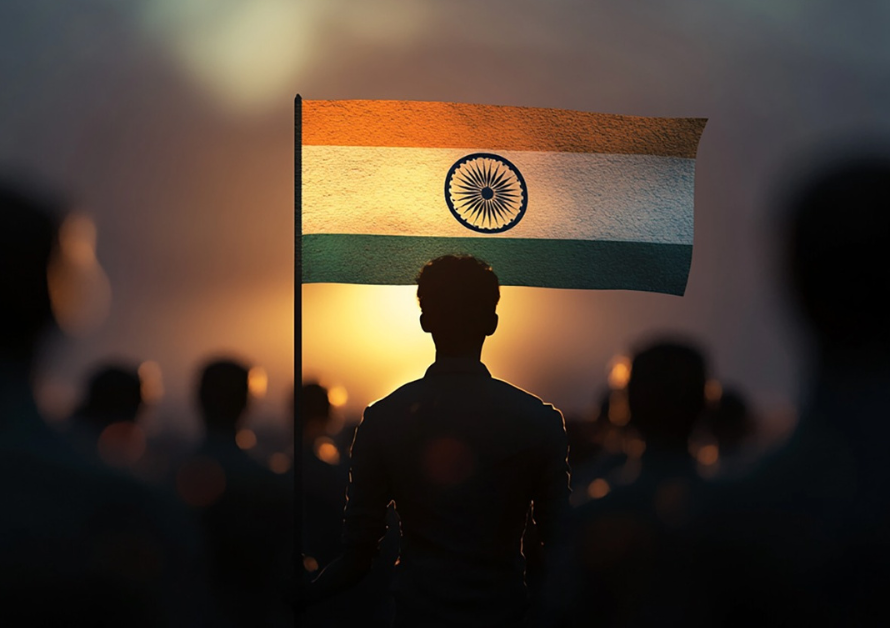
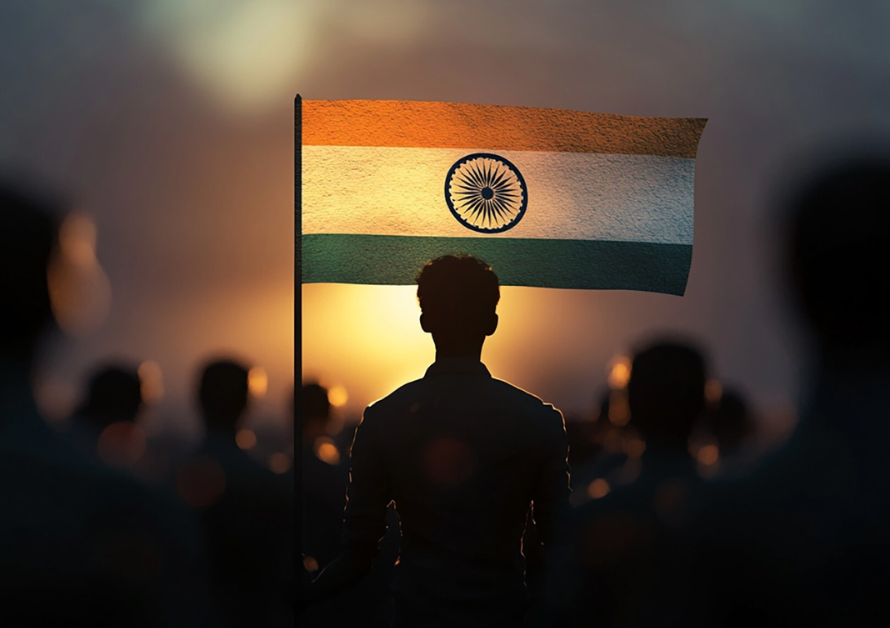
- India is passing through a decisive phase where strong leadership, proactive policymaking, and aware citizens are collectively shaping the nation’s future.
- On one hand, the government is working to strengthen development, national security, and global standing; on the other, the role, effectiveness, and approach of the opposition remain subjects of continuous debate.
- In a democracy, criticism is essential—but it must be constructive, fact-based, and solution-oriented. Opposition merely for the sake of opposition, repeated disruptions, and constant confrontation can slow down progress and lead to loss of valuable time and national resources.
New India: Balancing Growth and Democracy
🇮🇳 1️⃣ New India: Strong Leadership and Decisive Governance
- India today is increasingly seen as a rising global power.
Narendra Modi has led several major decisions and initiatives, such as:
Abrogation of Article 370
Construction of the Ram Temple in Ayodhya
Initiatives like Atmanirbhar Bharat and Make in India
Active global diplomacy
Large-scale infrastructure development
👉 This leadership is decisive, visionary, and focused on national interest.
⚖️ 2️⃣ Role of Opposition: Importance of Constructive Criticism
- A democracy does not function on the government alone—the opposition is a critical pillar.
✔️ An ideal opposition should:
- Offer fact-based criticism
- Present better alternatives and solutions
- Hold the government accountable
- Raise public concerns effectively
👉 Constructive criticism strengthens governance by improving policies and ensuring accountability.
⚠️ 3️⃣ Current Challenge: Opposition or Obstruction?
In recent years, a perception has emerged that:
- Opposition is sometimes reduced to opposition for the sake of opposition
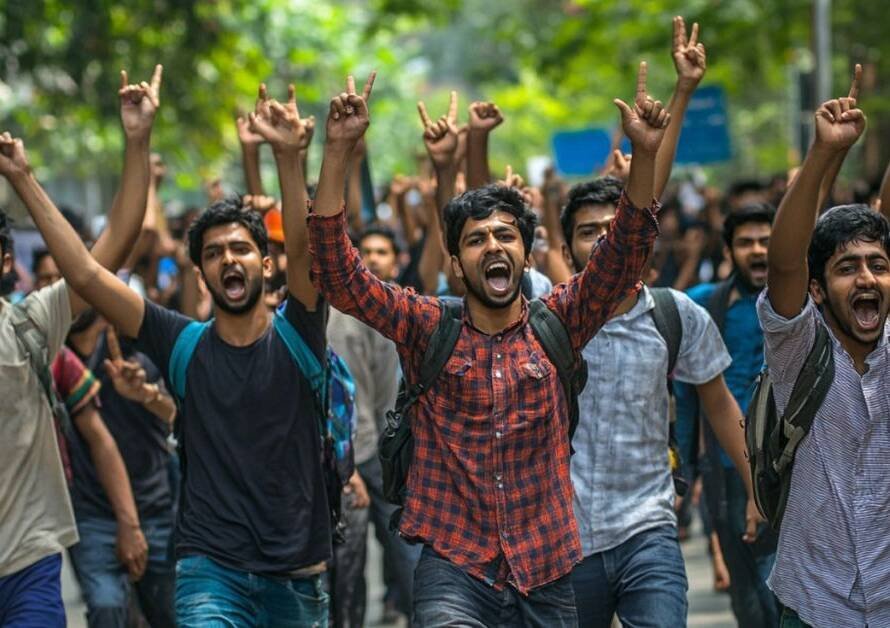
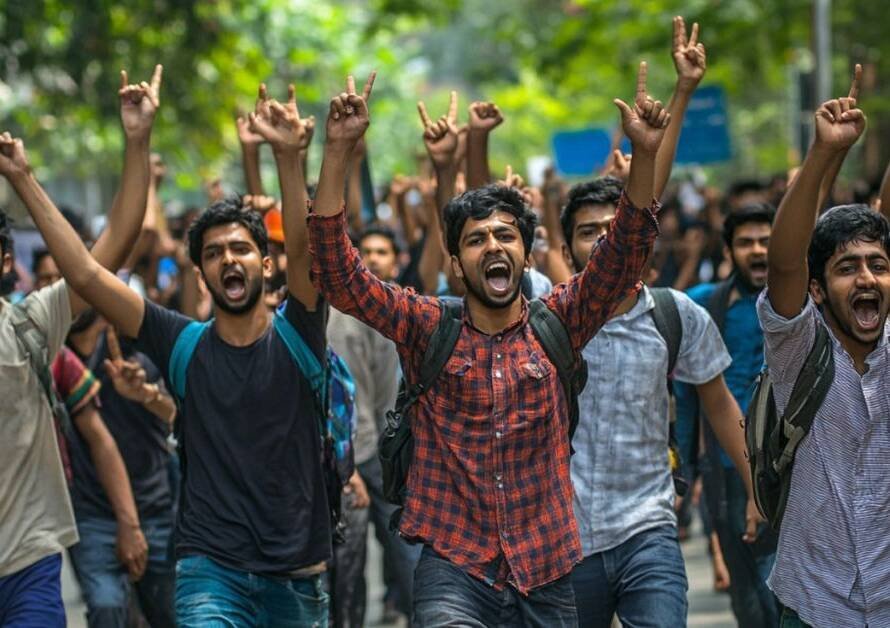
- Parliamentary proceedings are disrupted through protests, slogans, and walkouts
- Meaningful debate on key policies is often replaced by confrontation
Potential Impact:
- Delays in policy implementation
- Loss of valuable parliamentary time
- Inefficient use of national resources
👉 While disagreement is essential in democracy, constant obstruction can slow national progress.
🔄 4️⃣ Before and After 2014: A Changing Political Balance
🔹 Before 2014 :
- The government was perceived as relatively weaker
- The opposition was strong and influential
- It often pushed the government toward better decision-making
- It also blocked certain policies it deemed unsuitable
🔹 After 2014:
- A strong and decisive government emerged
- The opposition is often seen as fragmented and less effective
- Critics argue that instead of offering alternatives, it frequently resorts to obstruction
👉 This shift has created a new dynamic in India’s democratic structure.
🇮🇳 5️⃣ Strong Government + Aware Citizens: India’s Real Strength
- India’s strength today lies not only in leadership but also in its aware and responsible citizens.
Key Observations:
- Citizens have prioritized stability and development
- The government has received consistent public support
- Public cooperation has played a vital role in policy implementation
👉 It is often said that India is fortunate now to have both a strong government and an aware citizen base, enabling progress despite challenges.
⚠️ 6️⃣ Criticism vs Constant Opposition
There is also a view that:
- The opposition has continuously criticized the government on almost every major issue over the past decade
- Every policy is often met with resistance
- Parliamentary functioning has frequently been disrupted
Possible Consequences:
- Wastage of national time and resources
- Slower policy execution
- Reduced scope for constructive dialogue
👉 While dissent is natural in democracy, it becomes counterproductive when it lacks constructive intent.
🏛️ 7️⃣ Parliament: The Need for Meaningful Dialogue
- Parliament is not merely a platform for political confrontation—it is the center of policymaking.
What is needed:
- Fact-based and meaningful debates
- Dialogue over disruption
- Consensus on national priorities
- Efficient use of parliamentary time
👉 The effectiveness of Parliament directly impacts the pace of national progress.
🧭 8️⃣ Role of Citizens: The Ultimate Power
- In a democracy, the ultimate authority lies with the people.
Citizens should:
- Stay informed and aware
- Make decisions based on facts
- Encourage constructive discourse
- Prioritize national interest
👉 An informed citizenry ensures responsible governance and accountability.
🔚 9️⃣ Balance is the Key to Progress
India’s future depends on three pillars:
🔹 Strong Government
🔹 Responsible Opposition
🔹 Aware Citizens
👉 Decisive leadership + constructive criticism = sustainable progress
- If the opposition evolves into a solution-oriented force and the government remains accountable, democracy becomes stronger.
- When leadership, opposition, and citizens align with national interest, India not only progresses—but leads globally.
🇮🇳 Jai Bharat, Vandematram 🇮🇳
Read our previous blogs 👉 Click here
Join us on Arattai 👉 Click here
👉Join Our Channels👈