India and the Middle East in the 21st Century
Summary
- For centuries, the writings of Nostradamus have fascinated historians, scholars, and the general public. His famous book Les Prophéties contains hundreds of poetic quatrains that many people attempt to associate with major global developments.
- Although Nostradamus never explicitly mentioned modern nations such as India, several interpreters believe that certain verses symbolically point toward the rise of Eastern civilizations and leaders.
- Supporters of these interpretations argue that themes in his writings—such as the emergence of powerful leadership from the East, the growing influence of Asian civilizations, and increasing acceptance of Eastern philosophical traditions—appear to align with developments unfolding in the 21st century.
- At the same time, other interpretations connect his verses to conflict zones and instability in regions such as the Middle East, which has historically been a focal point of geopolitical tensions.
- While critics emphasize that Nostradamus’s prophecies are vague and symbolic, many observers believe that they reflect broader historical directions rather than precise predictions.
1. Nostradamus and His Symbolic Style of Prophecy
Nostradamus wrote his prophecies in the 16th century using poetic and symbolic language. His writings typically:
- combine old French, Latin, and symbolic imagery
- avoid clear references to specific modern countries
- rely heavily on metaphors and allegories
- allow interpretations that vary depending on historical events.
Because of this ambiguity, people across centuries have interpreted his verses differently based on contemporary global developments.
2. Quatrains Often Linked to the Rise of the East
- Several Nostradamus verses are commonly interpreted as suggesting a shift of global influence toward Eastern civilizations.
Century X, Quatrain 75
“Long expected he will never return,
Within Europe in Asia appearing.
One issued from the league of the great Hermes,
And over all the Kings of the East he will grow.”
Some interpreters believe this verse hints at:
- the emergence of a powerful leader from Asia
- the strengthening of Eastern civilizations
- a shift in global geopolitical balance.
Century V, Quatrain 54
“From the Orient will come the heart of a great King,
Who will travel by land and sea.
The East will weaken the West,
His fame will grow across the seas.”
Supporters interpret this verse as symbolizing:
- the growing geopolitical influence of Asian nations
- the expansion of Eastern economic and cultural power
- the increasing role of Asia in shaping global affairs.
3. Nostradamus and the Middle East
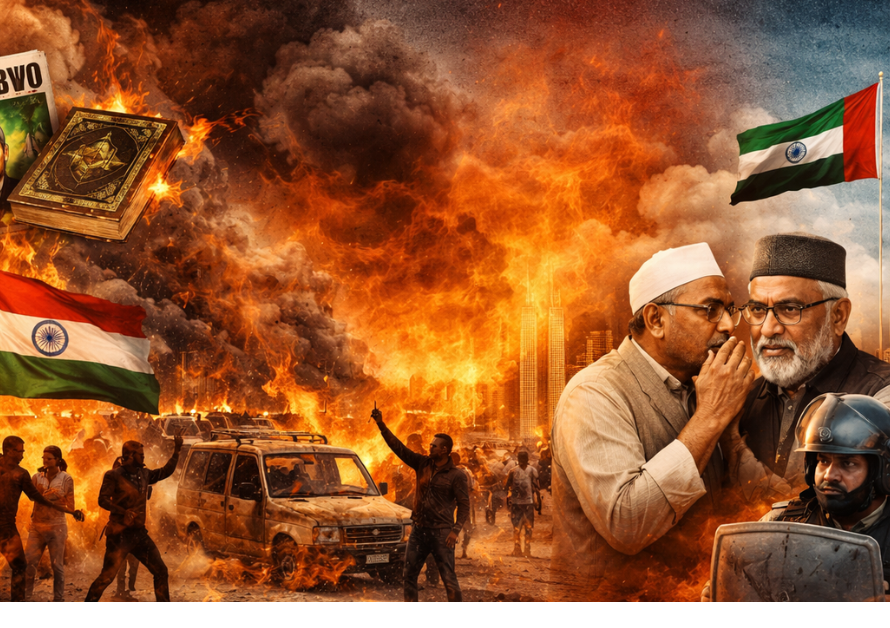
- Some interpretations of Nostradamus’s writings are linked to conflicts in the Middle East, which many analysts view as one of the most volatile regions in global geopolitics.
Certain quatrains refer to:
- prolonged conflicts near seas and strategic regions
- fire and destruction affecting large populations
- powerful nations intervening in distant conflicts.
Supporters of these interpretations argue that such descriptions resemble the long-standing geopolitical tensions in the Middle East, where regional rivalries, ideological conflicts, and strategic interests of global powers intersect.
Modern developments such as:
- tensions between regional powers
- involvement of global military alliances
- conflicts affecting energy routes and global trade
have often been linked by commentators to these symbolic verses.
4. Eastern Civilization and Cultural Influence
- Some interpreters also suggest that Nostradamus hinted that Eastern philosophical traditions would gain global influence during times of crisis.
This interpretation is sometimes connected with:
- the worldwide popularity of yoga and meditation
- growing interest in Indian philosophy and spiritual traditions
- increasing global recognition of ancient Eastern civilizations.
Although Nostradamus never mentioned India directly, supporters argue that these developments reflect the broader influence of Eastern civilizational ideas.
5. The Emerging Asian Century
- Regardless of prophetic interpretations, many geopolitical analysts believe that the 21st century is witnessing a gradual shift of global influence toward Asia.
Key factors supporting this view include:
- rapid economic growth across Asian economies
- technological advancements and innovation
- expanding diplomatic and strategic influence
- rising cultural influence of Eastern civilizations.
Within this broader transformation, many observers see India emerging as a major global player.
Supporters often highlight:
- India’s expanding economic strength
- growing diplomatic presence across continents
- increasing recognition of Indic civilizational philosophy
- the global leadership role of figures such as Narendra Modi.
6. Leadership, Civilization, and the Foundations of National Rise
- While economic development, governance, diplomacy, innovation, and the collective efforts of citizens shape a nation’s trajectory, leadership itself is deeply influenced by the philosophy, culture, and perseverance of the society from which it emerges.
Civilizations evolve through:
- shared cultural traditions
- philosophical frameworks guiding societal values
- resilience and perseverance across generations
- collective identity rooted in historical experience.
>Supporters of the civilizational perspective believe that India’s rise reflects not only economic growth but also the enduring influence of Sanatana or Indic civilizational philosophy, which emphasizes balance, knowledge, resilience, and long-term cultural continuity.
Although Nostradamus’s prophecies remain symbolic and open to interpretation, many commentators believe that certain themes in his writings—such as the rise of Eastern influence and global transformation during periods of conflict—appear to resonate with some aspects of the evolving global landscape.
- At the same time, regions like the Middle East continue to experience geopolitical tensions, which some interpreters believe resemble descriptions of prolonged conflict found in his writings.
- Supporters argue that developments in the 21st century—ranging from Asia’s economic rise to the growing influence of Eastern cultural traditions—seem to reflect a broader historical shift. Critics, however, caution that such interpretations remain speculative.
Ultimately, the future of nations is shaped by leadership, governance, innovation, diplomacy, cultural heritage, and the perseverance of their people. But the prophesies provide indications about future.
- In that broader context, the growing influence of Eastern civilizations—particularly India—represents a significant chapter in the evolving global order.
🇮🇳 Jai Bharat, Vandematram 🇮🇳
Read our previous blogs 👉 Click here
Join us on Arattai 👉 Click here
👉Join Our Channels👈