Oil, Power, and Regime Change
1. Venezuela Crisis: A Mirror of Global Politics
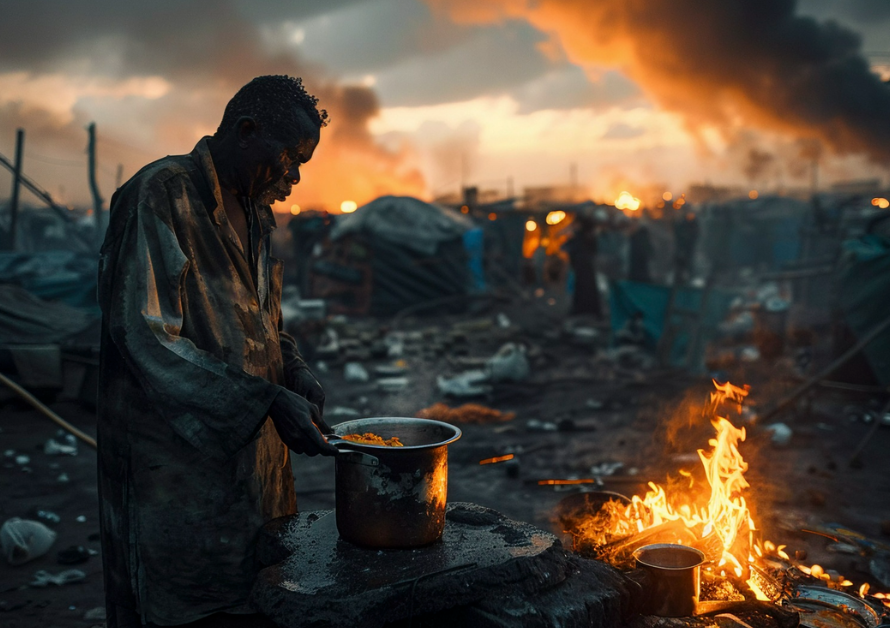
The events in Venezuela are not merely a domestic crisis
- They expose the double standards of the so-called “rules-based international order”
Sovereignty and international law appear to apply
- Differently to powerful nations
- And differently to strategically weaker states
👉 The core question: Are international rules truly equal for all?
2. From Prosperity to Collapse: Internal Weaknesses
- Once the most prosperous country in Latin America
- Vast oil reserves and high per-capita income
But over time:
- Excessive dependence on oil
- Populist policies
- Neglect of production and economic diversification
- Nationalization without strong management
👉 Consequences:
- Revenue collapse
- Rising fiscal deficits
- Hyperinflation due to excessive money printing
- Destruction of citizens’ lifetime savings
3. External Pressure: The Impact of Sanctions
- Economic sanctions imposed by the US and its allies
- Restrictions on oil exports
- Isolation from the global banking system
- Investment and trade uncertainty
👉 The heaviest burden fell:
Not on those in power But on ordinary citizens
4. Oil, the Dollar, and Narrative Warfare
The world’s largest proven oil reserves
- Growing engagement with alternative partners like China and Russia
- A challenge to the dollar-centric financial system
Alongside this:
- Government portrayed as authoritarian
- Opposition framed as democratic victims
- Intervention justified as a moral obligation
👉 This is modern narrative warfare.
5. Global Response: Cracks in Unipolar Consensus
- Open criticism from Russia and China
Sovereignty concerns raised across Latin America
- Anxiety across the Global South
- Even some Western nations questioned the intervention
👉 A clear signal: The global power balance is shifting.
6. Lessons for India: Warning and Distinction
- Exaggerating internal dissent to justify external pressure is a familiar strategy
But:
India is not Venezuela
- Strong democratic institutions
- A diversified economy
- A massive domestic market
7. “Toolkit” Strategies vs India’s Approach
- Modern intervention is not only military
- It includes narratives, economic pressure, and diplomacy
👉 India has demonstrated:
- Economic and strategic tools can be more effective than military confrontation
- Economic warfare can often be more decisive than bullets
Venezuela shows that
- Internal weaknesses invite external intervention
- Narrative warfare has become a decisive weapon
For India, the path forward is clear:
- Vigilance
- Balance
- Self-confidence
Sovereignty, economic strength, and democratic stability are India’s greatest shields in a rapidly changing world order.
🇮🇳 Jai Bharat, Vandematram 🇮🇳
Old Blogs: https://saveindia108.in/our-blog/