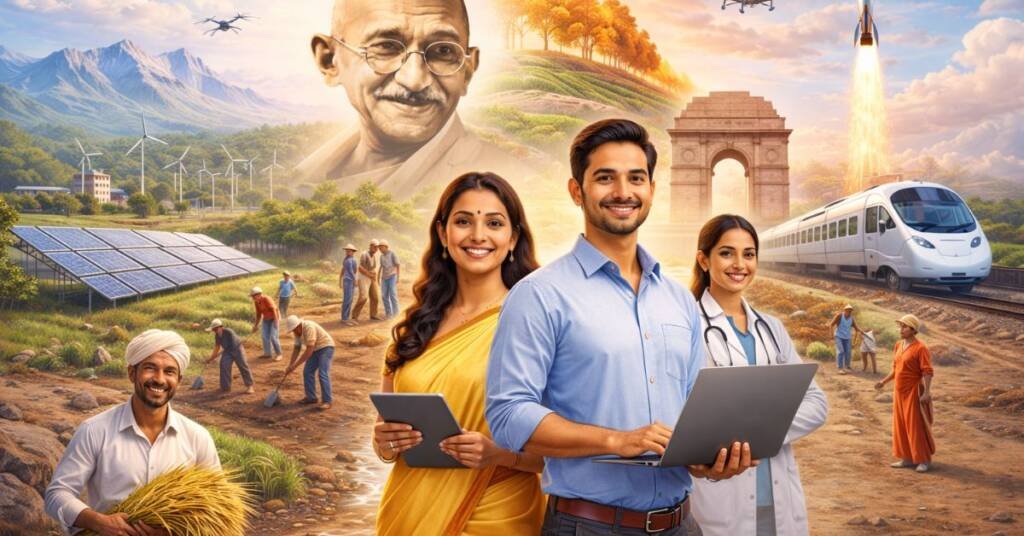
Save India & Hindutva
1. A Decisive Moment and Our Collective Responsibility
- India today stands at a decisive crossroads in its civilizational journey. Rising ideological polarization, misinformation, and selective narratives are creating confusion and insecurity within society.
- Many Hindus increasingly feel that their cultural identity, spiritual traditions, and civilizational continuity are under sustained pressure in public discourse and policy debates.
- This concern is not directed against any community. Rather, it is a call for self-preservation through awareness, confidence, and democratic participation.
- A civilization that forgets its roots weakens its future.
2. A Bitter Truth — We Have Not Fully Learned from History
It is unfortunate, yet necessary, to acknowledge that for centuries our setbacks were not caused only by external invasions, but also by internal weaknesses:
- Lack of unity and internal divisions
- Ego, greed, and personal interests placed above collective welfare
- Reluctance to learn from history
- Failure to stand together in times of crisis
- Inability to devote time and effort to the welfare of society, religion, and nation
These weaknesses led to prolonged periods of Mughal domination, followed by British rule, and later decades of ideological and political stagnation. History sends a clear message: external forces succeed only when internal strength collapses.
3. The True Meaning of Hindutva — Self-Reform and Cultural Responsibility
Hindutva is not confrontation; it is continuity and responsibility. Its essence lies in:
- Respect for India’s ancient heritage and living traditions
- Unity despite diversity
- Coexistence, dialogue, and mutual respect
- Protection of national sovereignty and the constitutional framework
Hindutva can remain strong only when Hindu society embraces introspection, discipline, and democratic engagement.
4. The Greatest Challenge — Internal Fragmentation
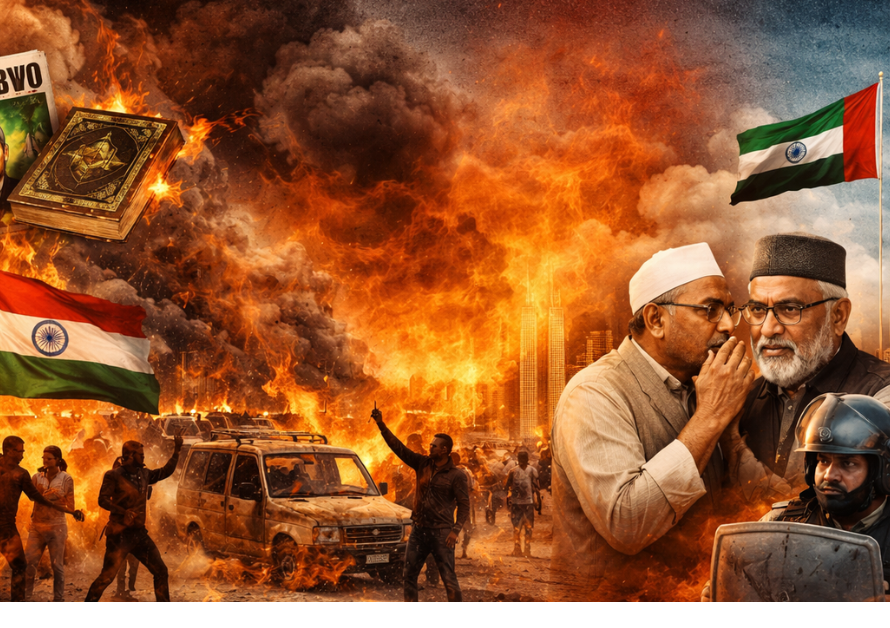
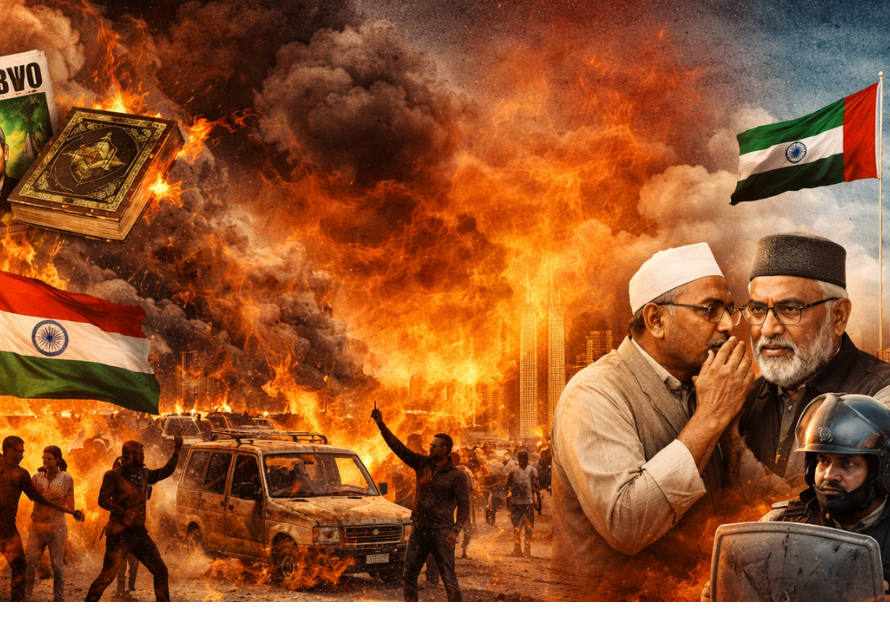
History teaches us that India’s greatest vulnerabilities emerged from within. Even today, divisions are repeatedly attempted:
- Caste versus caste
- Region versus region
- Language versus language
- Sect versus sect
Unity does not mean uniformity. It means agreement on shared priorities: cultural confidence, national unity, and constitutional stability.
5. Government Efforts Are Important, but Society Is Indispensable
It is also true that the government is working at its level to ensure:
- National security and development
- Global standing and institutional strength
- Cultural revival and stability
However, one fundamental truth remains unchanged:
- A society that does not care for its own interests, welfare, and future eventually becomes history itself.
No government alone can safeguard a civilization. An aware and active society is essential.
6. Democratic Participation — The Most Ethical and Effective Path
Democracy thrives on participation:
- Low voter turnout weakens representation
- Organized blocs dominate outcomes when others disengage
- Silence allows decisions without broad consensus
The most powerful tool citizens possess is the vote. Higher participation ensures accountability, policy stability, and institutional strength.
7. Objectives — From Awakening to Stability
Awareness
- Promote fact-based civic engagement
- Encourage calm dialogue on governance, security, development, and social harmony
Unity
- Rise above caste, sectarian, and regional divisions
- Build a shared civilizational vision
Democratic Engagement
- Consistent participation in elections at all levels
- Replace agitation with reasoned discussion
Stability and Development
- Support leadership and policies that prioritize national interest, unity, and growth—strictly through democratic means
8. Strategy — Calm, Lawful, and Effective
- Education and Dialogue: Share facts through lawful meetings, seminars, and digital platforms
- Avoid Distractions: Focus on core issues rather than identity-driven conflicts
- Social Trust: Build bridges across generations and regions
- Constitutional Means: Voting, petitions, dialogue, and public accountability
9. Warning — If We Still Do Not Learn, History Will Repeat Itself
If we fail to:
- Learn to stay united
- Rise above ego and selfishness
- Draw lessons from history
then our cultural identity, civilizational continuity, and social stability will face serious risks. This is not fear-mongering—it is the verdict of history.
10. Collective Resolve — No More Repeating Old Mistakes
Let us resolve to:
- Learn from history and reform ourselves
- Prioritize society, religion, and nation
- Remain active participants in democracy
- Strengthen one another instead of weakening each other
Introspection is the first step toward renewal.
- Save India, Save Hindutva is not a call for confrontation.
- It is a call for awakening, unity, and responsible citizenship.
- Civilizations collapse less due to external enemies and more due to internal neglect.
- Awakening changes direction; apathy repeats history.
🇮🇳Jai Bharat, Vandematram 🇮🇳
For old Blogs please visit our website www.saveindia108.in
👉Join Our Channels👈