Summary
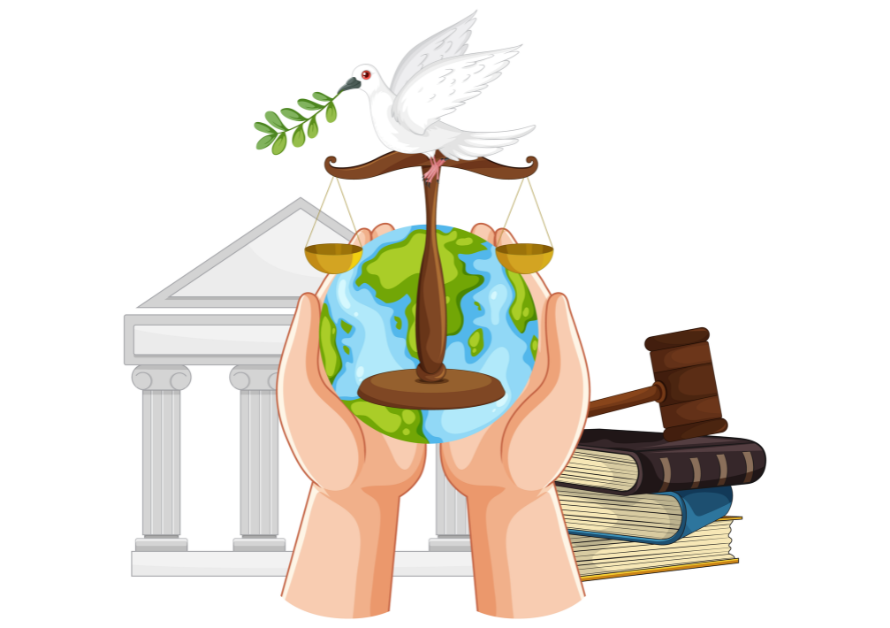
- This final narrative explains why law enforcement and institutional firmness alone are not sufficient to defeat mobocracy.
- A democracy ultimately survives on civic culture, moral clarity, and public responsibility.
- Citizens, media, political parties, and intellectual spaces all play decisive roles. When society romanticizes chaos or excuses illegality, mobocracy thrives.
- When society values order, debate, and accountability, democracy prevails.
Why Law, Culture, and Civic Courage Must Work Together
1) Democracy Is Not Just a System—It Is a Shared Ethic
- Constitutions create institutions, but citizens create democratic culture.
- No amount of law can protect democracy if disorder is celebrated and discipline is mocked.
- At the heart of India’s democratic ethic stands the Parliament of India—not as a stage for spectacle, but as a working institution.
Foundational truth
- Democracy is not proven by how loudly people shout
- It is proven by how reliably institutions function despite disagreement
2) The Citizen’s Role: Reject the Romance of Chaos
- Mobocracy thrives when chaos is emotionally rewarding.
Citizens must consciously reject false narratives such as:
- “Disruption shows courage”
- “Vandalism is justified if the cause is right”
- “Blocking institutions is resistance”
A responsible citizen stance requires
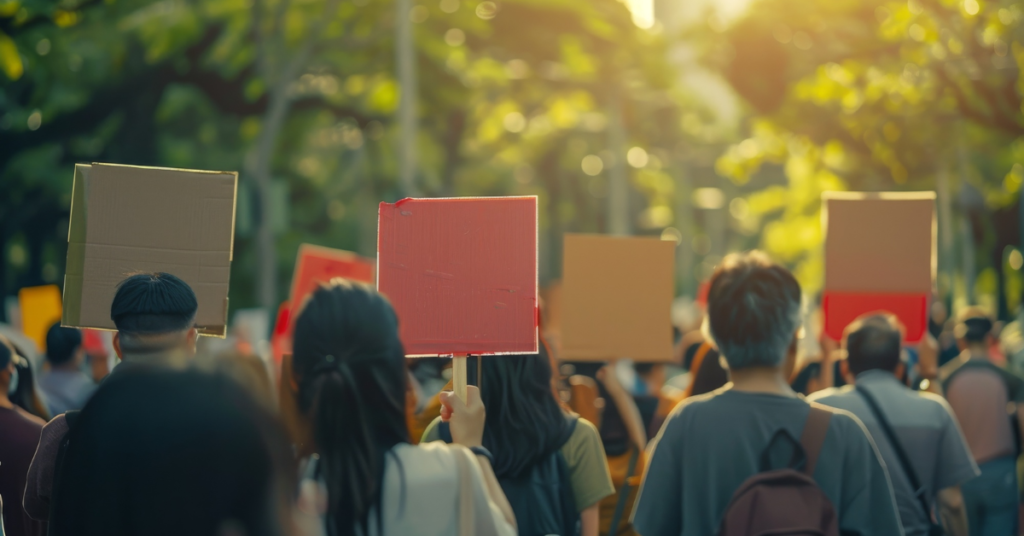
- Supporting dissent that seeks debate and solutions
- Rejecting obstruction that prevents institutions from working
- Condemning vandalism regardless of political alignment
- Demanding performance and accountability, not theatrics
Key warning: Cheering chaos today legitimizes chaos tomorrow—against anyone.
3) Media Responsibility: Inform, Contextualize, or Inflame
- Media does not merely report democracy—it incentivizes behavior.
Constructive media strengthens democracy by
- Reporting lost parliamentary hours alongside slogans
- Explaining procedures, not just confrontations
- Questioning motives behind repeated disruptions
- Separating protest from illegality
Irresponsible amplification weakens democracy by
- Glorifying disorder for ratings and clicks
- Reducing governance to viral outrage
- Normalizing institutional paralysis
- Rewarding the loudest, not the wisest voices
When chaos gets rewarded with attention, chaos multiplies.
4) Opposition’s Moral Test: Alternative or Obstruction
- Opposition is the backbone of democracy—but only when it offers alternatives, scrutiny, and solutions.
Healthy opposition
- Uses Parliament to debate and amend
- Wins arguments and public trust
- Respects electoral verdicts
Destructive opposition
- Blocks institutions to compensate for defeat
- Delegitimizes processes instead of contesting ideas
- Treats paralysis as political capital
Blocking governance is not opposition—it is institutional sabotage.
5) Youth, Academia, and Civil Society: Teach Rights with Duties
- Young citizens and academic spaces shape the future—but are also vulnerable to oversimplified activism.
Democratic education must emphasize
- Rights paired with responsibilities
- Protest paired with procedure
- Critique paired with constitutional limits
Romanticizing vandalism teaches impatience, not justice.
6) The Moral Red Line: Ends Do Not Justify Illegal Means
A constitutional republic cannot accept the logic that:
- “Our cause is pure, so rules don’t apply”
- “Institutions deserve disruption”
- “Illegality is acceptable if intentions are noble”
History is clear: this logic always reduces freedom, never expands it.
- The Constitution protects dissent precisely but it rejects mob rule.
7) The Danger of Selective Silence
- Silence in the face of illegality is not neutrality—it is permission.
When:
- Vandalism is excused as emotion
- Obstruction is framed as bravery
- Intimidation is called activism
the moral center of democracy shifts—from law to loudness.
8) Reclaiming Democratic Pride
India’s civilizational strength has never been chaos—it has been continuity.
- Continuity of institutions
- Continuity of law
- Continuity of constitutional faith
Democratic pride lies in self-restraint, not spectacle.
9) The Final Democratic Choice
India faces a clear choice:
Path One
- Normalize disorder
- Excuse vandalism
- Accept permanent paralysis
Path Two
- Defend institutions
- Enforce laws uniformly
- Demand responsibility from all actors
Choosing the second path does not weaken democracy—it saves it.
Law + Culture + Courage
When mobocracy and vandalism try to hijack democracy and the Constitution by immoral and illegal means:
- The Government must enforce law without fear
- The Judiciary must draw clear constitutional lines
- Law-enforcement must act neutrally and firmly
- Citizens and media must reject chaos and demand accountability
Democracy survives when firmness is lawful, dissent is disciplined, and freedom is anchored in responsibility.
🇮🇳 Jai Bharat, Vandematram 🇮🇳
Read our previous blogs 👉 Click here
Join us on Arattai 👉 Click here
👉Join Our Channels 👈