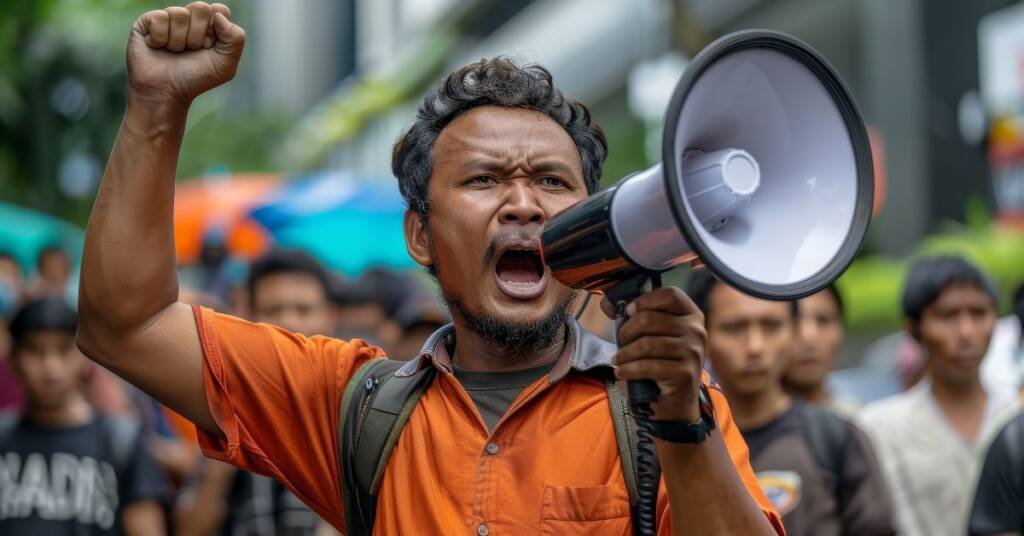
Shifting Media Stances, Opportunism, and National Interest: What India Should Learn from the Arnab Goswami Episode
- In recent weeks, the changing tone of certain prominent media personalities—especially Arnab Goswami—has raised important questions. Is this shift the result of any major change in government policy, or does it reflect media power dynamics, opportunism, TRP-driven strategies, and the influence of an anti-national ecosystem?
- This article is not a personal attack on any individual. It is a trend-based analysis, aimed at encouraging discernment, fact-based thinking, and a nation-first mindset among Sanatani society and Indian citizens.
1️⃣ Introduction: The Question Is Not About a Person, but a Pattern
- Recent sharp remarks by Arnab Goswami, in which he issued strong “warnings” to Sanatanis regarding electoral choices, naturally sparked debate.
However, the real issue is not one anchor—but a larger pattern:
- Why have some influential media voices, who strongly supported the Modi government for years,
- suddenly turned aggressively critical over the past month?
Is this change policy-driven, or strategic and opportunistic? That is what needs examination.
2️⃣ Has the Government Suddenly Changed?
When examined objectively:
- There has been no sudden reversal in national security policy
- India’s foreign policy direction remains consistent and balanced
- The economic and cultural agenda continues along the same trajectory
- Governance priorities and long-term plans remain intact
👉 Therefore, the claim that “the government suddenly became anti-national” does not stand up to facts or logic.
3️⃣ The Nature of Media: From Support to Confrontation
A basic reality of television media is:
- Support for a ruling government rarely generates “breaking news”
- Conflict, accusations, and dramatic language attract instant attention
- During election periods, this tendency intensifies
Is this shift in tone is a strategy to increase virality, TRPs, and digital engagement.
4️⃣ Opportunism and Ego: A Bitter Truth
This moment calls for honest introspection:
- Opportunism and ego are not uncommon traits in society
- As long as personal interests are served, support continues
- When expected “importance,” “access,” or benefit declines,
positions are reversed—even if that harms the nation, religion, and society
This pattern is not limited to politics; it is also visible among media elites and influential personalities.
5️⃣ Are Commercial Interests Being Affected?
It is reasonable to ask:
- Have the TRPs, digital revenues, or influence of certain media figures declined?
- Has proximity to power—and the visibility that comes with it—reduced?
- Does aggressive criticism now generate more attention than support?
In the media industry, one fact is well known: Confrontation often sells better than consistency.
6️⃣ The Role of the Anti-National Ecosystem
Another possibility cannot be ignored:
- Are certain voices being encouraged or amplified by an anti-national or anti-Modi ecosystem?
- Are selective narratives, exaggerations, and unverified claims being used to discredit the government?
This is the same ecosystem that:
- Has long viewed India’s rise with suspicion
- Searches for negativity in every national achievement
- Has reduced blind opposition to Modi and to national progress into an ideological identity
7️⃣ Global Recognition vs. Domestic Denial
It is also a fact that:
- On global platforms, India’s progress over the last decade is widely acknowledged
- India is seen as one of the fastest-growing economies and a reliable global partner
Yet domestically, a section of discourse exists that rejects every achievement purely for the sake of opposition, replacing facts with emotionally driven and hostile narratives.
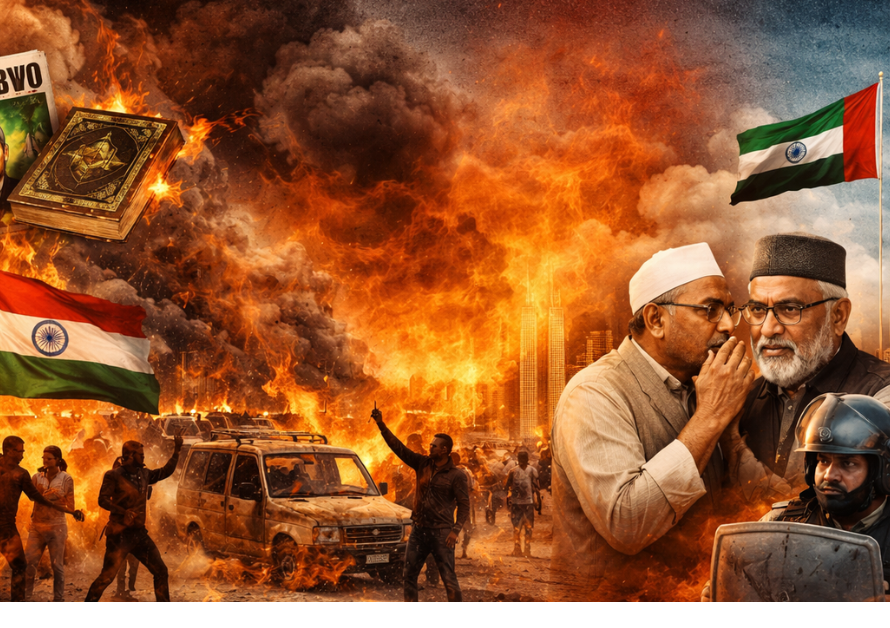
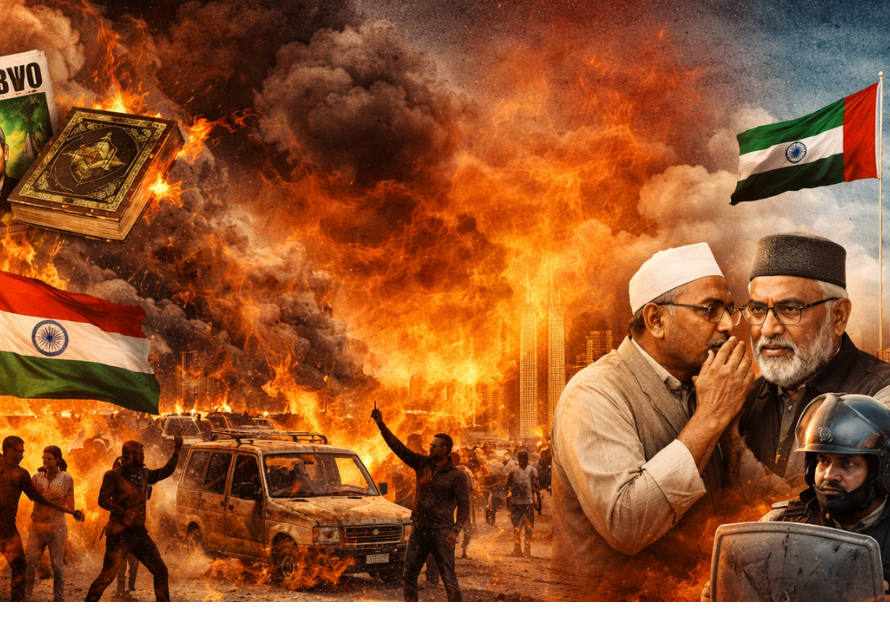
8️⃣ The Real Danger: Fake Narratives and Fake News
Criticism is essential in a democracy. The danger lies not in criticism, but in:
- Presenting half-truths as complete truths
- Removing context to manufacture fear
- Confusing citizens to slow down the momentum of a progressive government
This becomes more serious when India’s growing influence is creating discomfort among certain global power centers.
9️⃣ Lessons for Sanatani Society and Citizens
The takeaway is clear:
- Do not turn any anchor into a hero or villain
- Do not treat loud voices as unquestionable truth
- Evaluate news based on facts, context, and long-term consequences
Sanatana tradition teaches:
- discernment,
- patience,
- long-term vision.
Blind opposition is more dangerous than blind support to national interests.
🔟 Media’s Role and Its Limits in a Democracy
The media’s role is to:
- ask questions,
- hold power accountable,
- inform citizens.
But media is not:
- the government,
- a policymaker,
- the final authority on civilization’s direction.
The ultimate responsibility lies with aware and thinking citizens.
🔚 National Interest Above Personal Interest
India stands at a decisive moment:
- On one side are progressive policies and global opportunities
- On the other are opportunism, ego, and manufactured narratives
If personal gain, TRP, or ego are placed above national interest, the damage will not be limited to politics—it will harm the nation, culture, and society as a whole.
- We must neither panic nor be misled.
- We must become aware, discerning, and nation-first citizens.
🇮🇳 Jai Bharat, Vandematram 🇮🇳
Website: https://www.saveindia108.in
Email: info@saveindia108.com
Old Blogs: https://saveindia108.in/our-blog/
WhatsApp: https://tinyurl.com/4brywess
Arattai: https://tinyurl.com/mrhvj9vs
Telegram: https://t.me/+T2nsHyG7NA83Yzdl