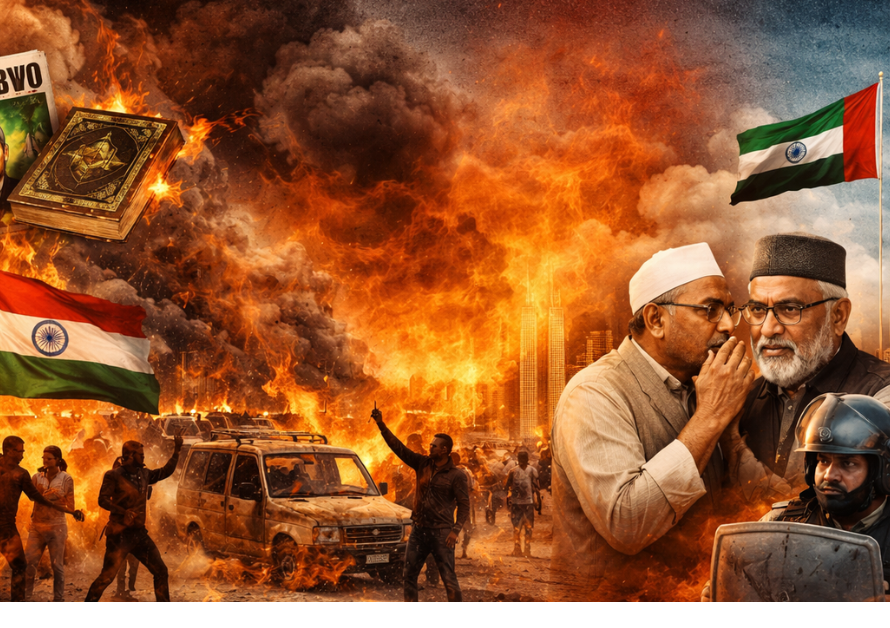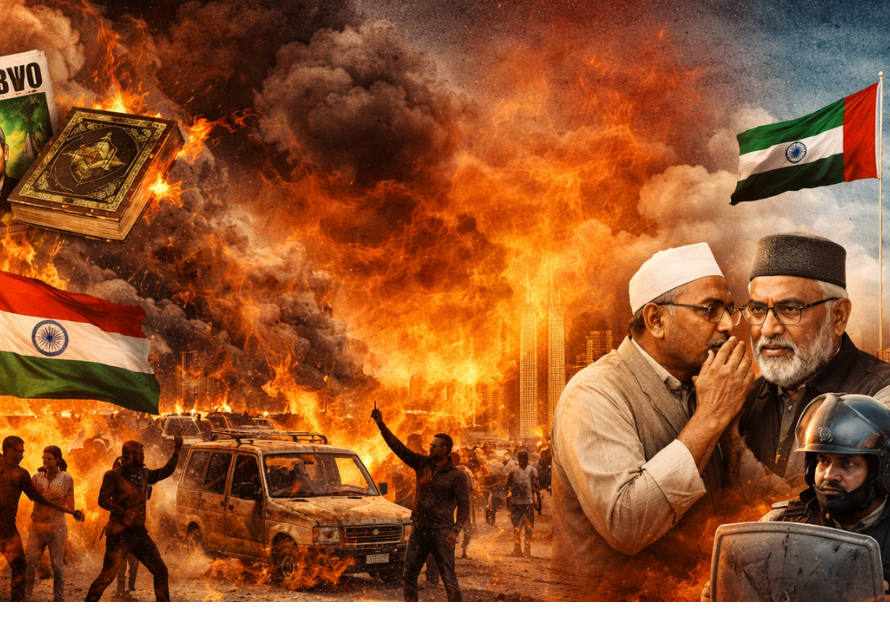
The Conversion Challenge is not merely about personal belief; it is a complex issue rooted in social insecurity, neglect, and weak governance. When communities feel unsafe, unsupported, or disrespected, external influences gain space. The lasting solution lies not in hostility or coercion, but in service, education, security, and cultural confidence.
Religious Conversion Challenges and Lasting Solutions
- Conversions do not grow in a vacuum—they grow where neglect, insecurity, and absence of governance persist.
- History shows that when society and the state fail to stand with vulnerable communities, external influence fills the gap.
- The sustainable answer is not hostility, but inclusive governance, continuous social engagement, security, education, and dignity.
- Where these are restored, confidence returns, manipulation declines, and cultural roots strengthen naturally.
1️⃣ Root Cause: Neglect and Insecurity
- People rarely abandon long-held beliefs suddenly; it happens when they feel unprotected, ignored, or invisible.
During congress रूले, In backward, tribal, and remote regions, decades of deficits persisted in:
- Education
- Healthcare
- Employment opportunities
- Physical security created a deep sense of vulnerability.
Prolonged policy paralysis and weak local administration eroded trust in institutions.
- Unchecked Maoist/Naxal insurgency further reduced the presence of the state, isolating communities and disrupting normal life.
- Schools shut, healthcare collapsed, livelihoods vanished, and fear became routine.
Conclusion: Persistent neglect—not belief—became the single biggest driver of conversions.
2️⃣ Organized Networks and the “Service Vacuum”
- Wherever society and governance withdrew, organized conversion networks moved in.
Immediate needs were addressed through:
- Education support
- Medical aid
- Food and financial assistance
While service is essential, problems arise when aid becomes conditional and evolves into long-term ideological dependence.
- Over time, dependency reshapes identity, weakens cultural continuity, and fractures community bonds.
Key Lesson: Service cannot be sporadic or symbolic. Service must be countered with service—consistent, dignified, non-conditional, and rooted in trust.
3️⃣ Role of Governance: Past Failures and Present Correction
Earlier failures included:
- Weak enforcement of laws
- Poor internal security
- Limited state reach in forest and border regions
- These gaps allowed insurgency, exploitation, and fear to thrive.
In recent years, focused internal security operations, better coordination, and improved welfare delivery have:
- Reduced Naxal violence
- Re-established administrative presence
- Reopened schools, roads, and health centers
As law and order improved:
- Fear declined
- Confidence returned
- External manipulation reduced significantly
Result: When security improves, identity crises naturally diminish
4️⃣ The Core Solution: Ending Neglect
- The most effective and ethical way to address conversions is ending neglect—permanently.
Society must:
- Stand consistently with marginalized communities
- Maintain continuous, not event-based, engagement
- Rebuild self-respect, dignity, and cultural confidence
When people feel:
- Valued
- Protected
- Heard
They remain connected to their roots by choice, not pressure.
5️⃣ Responsibility of Society: Service, Dialogue, and Dignity
- What works is community-centric service, not imitation or competition.
Priority areas include:
- Scholarships and skill development for youth
- Primary healthcare, nutrition, and sanitation
- Women empowerment and sustainable livelihoods
Approach matters:
- Dialogue, not preaching
- Respect, not condescension
- Partnership, not patronage
Trust grows only when engagement is empathetic and long-term.
6️⃣ Present Scenario: Stability Breeds Confidence
With the change of leadership in 2014 to a nationalistic and progressive government, the situation is getting better
- Improved security and development are restoring cultural self-confidence.
In many regions:
- People are voluntarily reconnecting with ancestral traditions
- This is driven by trust, belonging, and stability—not coercion
Revival remains sustainable only when:
- Rule of law
- Welfare delivery
- Social unity move together.
Important Principle: Faith must always be a free and informed choice—only then the society truly strengthen.
7️⃣ The Way Forward: Constitutional, Balanced, and Humane
Legal clarity:
- Firm, impartial action against forced or inducement-based conversions—without targeting genuine belief.
State presence:
- Governance, security, and welfare must reach the last mile consistently.
Community participation:
- Empower local leadership, volunteers, and self-help networks.
Education and employment:
- The strongest long-term safeguards against exploitation and identity erosion.
Data-driven policy:
- Focus on outcomes—health, income, literacy—not just announcements.
🔚 Unity Is the Greatest Protection
- The answer to conversion is not hostility, but solutions—and the core solution is ending neglect.
When society stands firmly with every individual:
- Conversions decline
- Trust is restored
- Broken bonds heal
- Culture regains strong
- Social harmony deepens
Strong communities are built not by fear, but by care, dignity, and justice.
🇮🇳 Jai Bharat, Vandematram 🇮🇳
For old Blogs please visit our website www.saveindia108.in
👉Join us on Arattai 👈
Arattai: https://tinyurl.com/mrhvj9vs
👉Join Our Channels 👈