A Rising Power Amid Persistent Challenges
Summary
- India–China comparisons are often made superficially, ignoring the fundamental differences in history, governance, and social realities.
- Despite operating within a democratic framework—marked by opposition, institutional complexity, and global disruptions—India has achieved a remarkable economic leap over the past decade.
- This narrative explains how India moved from 10th to 4th place globally, why strong leadership mattered, and how deeper cooperation among society, the judiciary, and the bureaucracy can help India become the world’s third-largest economy—and a responsible global leader or Vishwaguru—in the years ahead.
The Cost of Democracy, the Test of Leadership, and India’s Real Progress
1. The Core Fallacy in India–China Comparisons
- The two countries did not start from similar conditions.
- China underwent a change of regime; India emerged from long colonial rule.
- China follows a centralized one-party system; India is a multi-party democracy.
Expecting identical outcomes ignores historical and institutional realities.
2. Democracy vs. Authoritarianism: Speed and Dignity
- In democracies, decisions require consensus, debate, and accountability—naturally slowing processes.
- In authoritarian systems, decisions are faster but lack open correction mechanisms.
India chose the harder path: slower, but reformable and dignified.
3. An Economic Leap Amid Constant Headwinds
- In one decade, India moved from 10th to 4th in global economic rankings.
- India is among the fastest-growing major economies.
- It is on track to become the third-largest economy in the coming years.
This progress occurred despite:
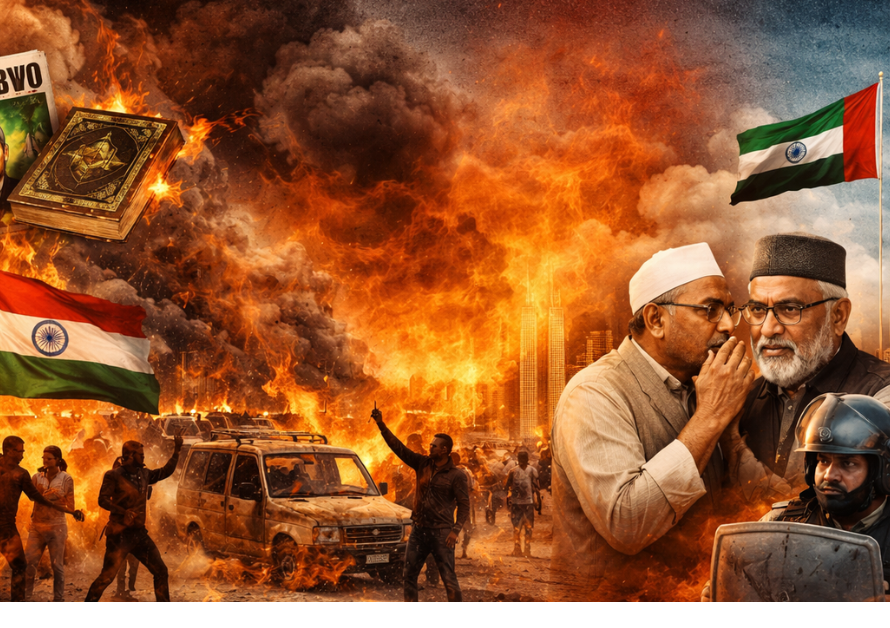
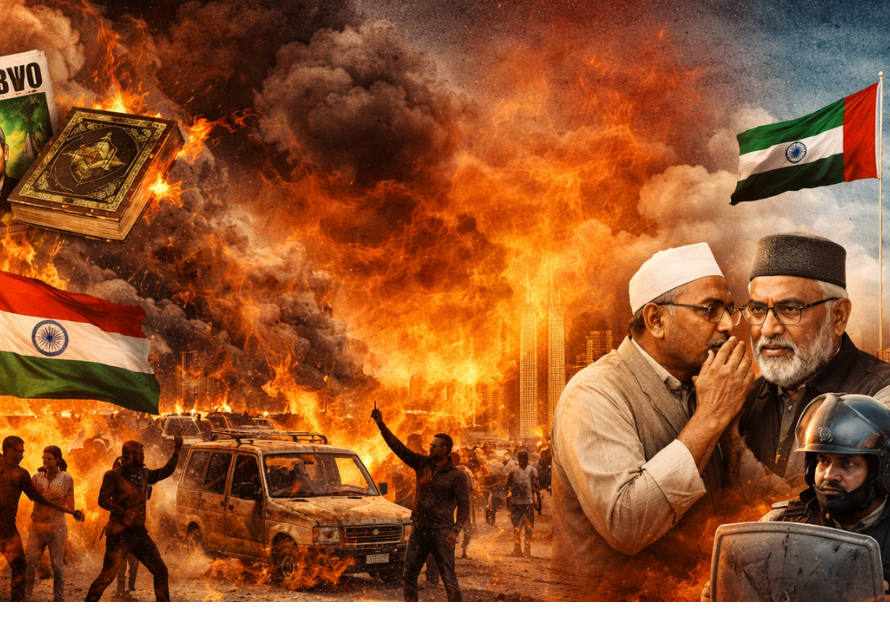
- Continuous political obstruction and adversarial opposition,
- Challenges from extremism and internal security concerns,
- Delays and non-cooperation within judicial and bureaucratic processes,
- Global shocks including pandemics, supply-chain disruptions, and geopolitical tensions.
Sustained growth under such conditions signals policy stability and leadership resilience.
4. Why Strong Leadership Matters
- Democratic leadership faces constant public scrutiny and electoral cycles.
- Reforms must pass through courts, institutions, and public debate.
- Maintaining long-term direction under pressure is exceptionally difficult.
Strong leadership is defined by the ability to:
- Prioritize long-term national interest over short-term popularity,
- Maintain reform momentum despite resistance,
- Respect institutions while steering national progress.
5. Global Standing and Strategic Confidence
- India’s global credibility has increased markedly.
- Strategic autonomy has strengthened—decisions are taken in national interest.
- India’s voice is heard with seriousness on international platforms.
- Economic scale and market strength have elevated India’s global leverage.
6. Cultural Self-Confidence and Civilisational Renewal
- Yoga, Ayurveda, and Indian life philosophy have gained global recognition.
- Confidence in India’s civilisational values has revived.
- This is not the result of one policy, but a broader civilisational self-awareness.
7. The Need for Institutional Cooperation
- The executive alone cannot deliver outcomes.
- Timely cooperation from the judiciary and bureaucracy is essential.
- Policy delays significantly limit growth momentum.
Better outcomes require:
8. The Role of Society: Empowering Democracy
- No nation becomes a superpower through government action alone.
- Public support, participation, and patience are critical.
- Reforms succeed when society actively backs them.
9. Why These Achievements Matter Despite Constraints
- Progress without abandoning democracy is difficult—but durable.
- India did not sacrifice civil liberties.
- Diversity was managed, not suppressed.
This balance is India’s long-term strength.
10. The Road Ahead: Cooperation Toward Superpower Status
- If society supports reform,
- If the judiciary and bureaucracy adopt time-bound efficiency,
- If institutions align around a shared national purpose,
India’s rise can accelerate faster.
A Difficult Path, the Right Direction
India’s journey demonstrates thatgreat nations can be built within democracy.
- With patience, cooperation, and strong leadership, India is poised not only to become an economic superpower, but also to play the role of a responsible global leader—Vishwaguru.
🇮🇳 Jai Bharat, Vandematram 🇮🇳
Read our previous blogs 👉 Click here
Join us on Arattai 👉 Click here
👉Join Our Channels👈