Summary:
- This narrative explores the profound impact of grassroots responsibility in the face of global energy instability.
- By comparison of the selfless “Energy Satyagraha” of Maharashtra’s rural communities in LPG crisis and the national discipline shown during the COVID-19 pandemic, it works against the disruptive tactics of political opportunists.
- It highlights how a synergy between a proactive citizenry and a focused government ensures national progress despite international conflicts like the US-Iran-Israel war.
The Geopolitical Trigger: The US-Iran-Israel Conflict and Energy Vulnerability
The modern world is interconnected by fragile supply chains, particularly in the energy sector. The escalating tensions between the US, Iran, and Israel have historically sent shockwaves through the global oil and gas markets. For a developing powerhouse like India, which relies heavily on imports to meet its domestic LPG (Liquefied Petroleum Gas) needs, such conflicts are not just headlines—they are direct threats to the kitchen fires of every household.
- Supply Chain Disruptions: Conflict in the Middle East often leads to the closure of strategic maritime routes, such as the Strait of Hormuz, through which a significant portion of the world’s LPG passes.
- Price Volatility: Geopolitical instability leads to “risk premiums” on crude oil and gas, causing global prices to spike regardless of actual physical availability.
- The Urban Dependency Trap: Urban India is almost entirely dependent on LPG. Unlike rural areas, city dwellers lack the space, resources, or traditional infrastructure to switch to alternative fuels like wood or bio-waste.
The Maharashtra Model: A Masterclass in Social Empathy
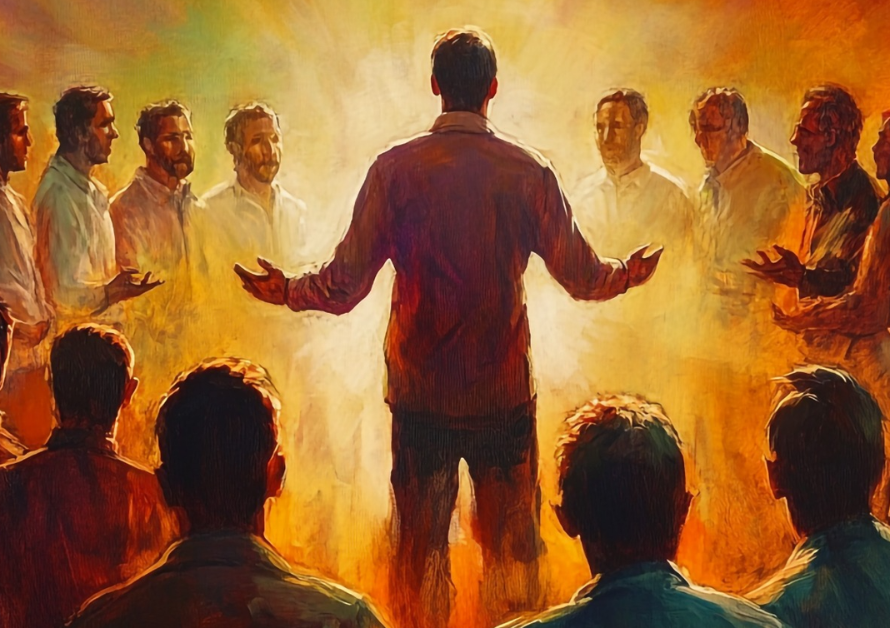
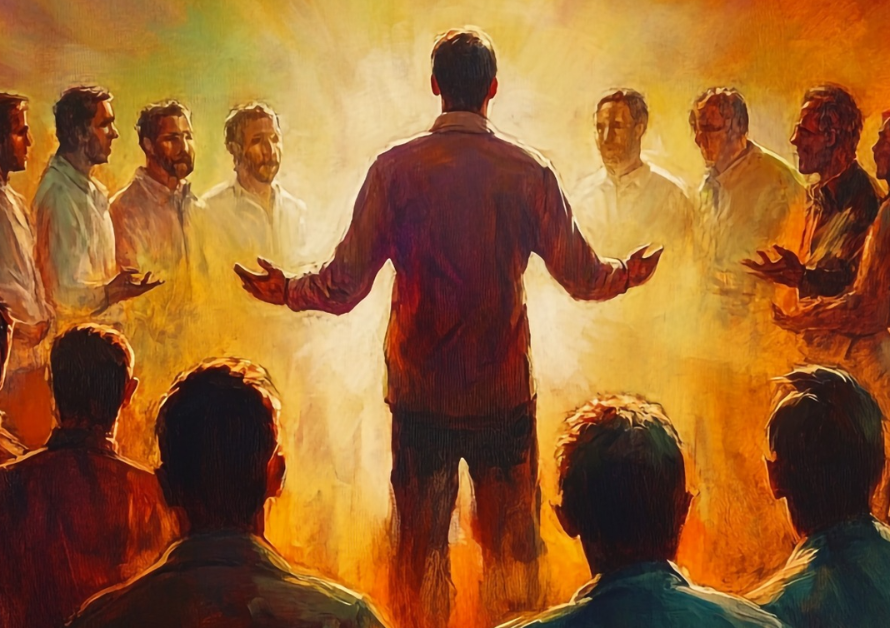
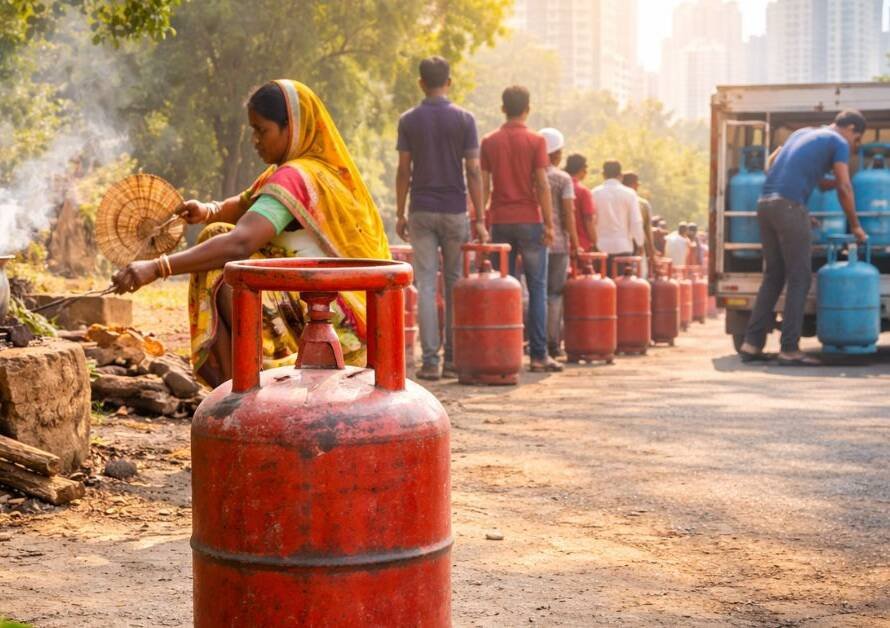
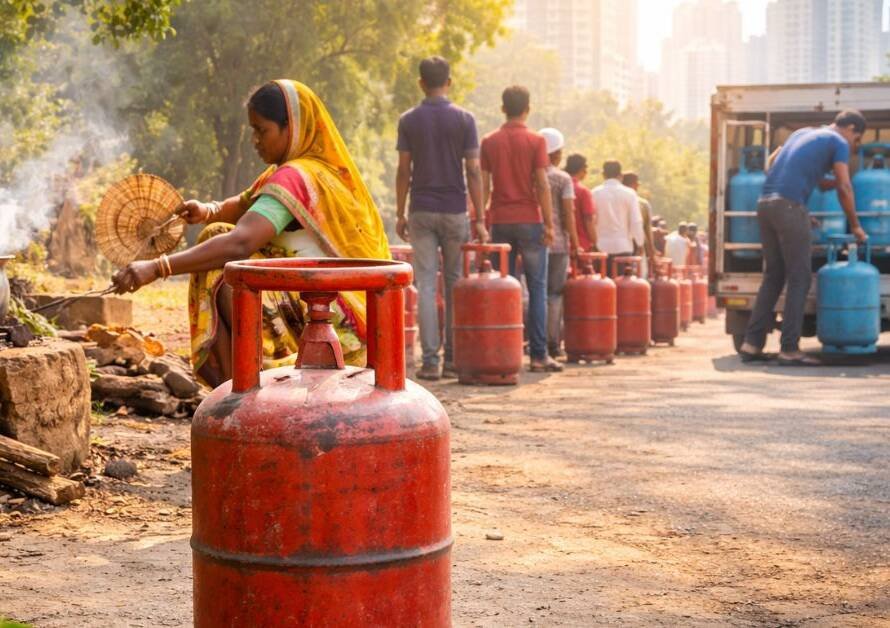
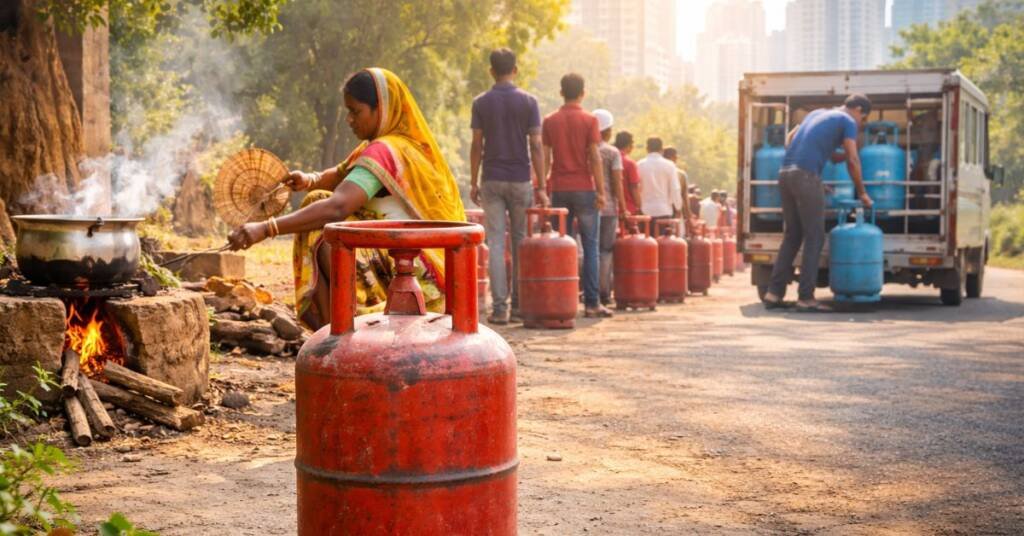
In a remarkable act of civilizational unity, three villages in Maharashtra recognized this vulnerability. Instead of waiting for a crisis to hit or demanding subsidies, they launched a proactive “Energy Satyagraha.”
- The Six-Month Vow: Villagers voluntarily decided to stop using LPG cylinders for half a year, reverting to traditional firewood and cow dung.
- Strategic Sacrifice: Their logic was rooted in a deep understanding of national demographics. They realized that while they had the “know-how” and access to traditional fuels, their “urban brothers” in Mumbai or Pune were helpless without gas.
- Direct Support to the State: By reducing rural demand, they effectively increased the available supply for urban centers and critical industries, helping the government manage the national stock without resorting to drastic rationing.
- Silent Action vs. Loud Protest: While urban activists often take to the streets to protest price hikes, these villagers took to the “Chulha” to provide a solution. This transition from “demanding” to “providing” is the hallmark of a developed civic consciousness.
Lessons from the Corona Pandemic: The Power of Cooperation
The success of the Maharashtra initiative mirrors the collective discipline seen during the COVID-19 pandemic. Corona was a challenge of a much higher magnitude, yet the outcome was the same: when the public cooperates, the government succeeds.
- Containment Through Consent and cooperation: The lockdowns were successful not just because of police enforcement, but because millions of Indians understood the gravity of the situation and stayed home.
- Protecting the Healthcare System: Public cooperation prevented the healthcare infrastructure from being completely pulverized. Without this support, the casualties could have been 10 to 20 times higher.
- Economic Resilience: By following protocols, citizens ensured that the “curve was flattened,” allowing the economy to reopen in a phased manner. This prevented a total collapse of the financial system and set the stage for India’s “V-shaped” recovery.
The Obstructionist Narrative: Dealing with “Artificial Scarcity”
The greatest threat during a national difficulty is often not the crisis itself, but the internal elements that seek to exploit it for political gain. The narrative of the “Thugbandhan” and certain opposition factions has consistently been one of disruption.
- Manufacturing Panic: During the LPG shortage and the Pandemic, these groups utilized social media to spread rumors of “total stock-outs” or “vaccine inefficiency.”
- Inciting Hoarding: By screaming about scarcity in the media, they incite the public to panic-buy. This creates an artificial scarcity—the supply exists, but it is locked away in the hoardings of frightened citizens, triggered by inflammatory political rhetoric.
- The Politics of Blame: Rather than offering a single constructive suggestion, these groups focus on blaming the administration for global phenomena. They attempt to convert a national challenge into a political opportunity, regardless of the cost to the country’s stability.
The Blueprint for a Resilient India
If the citizens are responsible and understanding, the moment of difficulty passes smoothly and the country keeps progressing by leaps and bounds. The following pillars define this resilience:
- Awareness of Global Context: Understanding that an LPG shortage caused by a war in the Middle East is a global challenge, not a local failure.
- Resource Stewardship: Following the example of the Maharashtra villagers by practicing conservation and looking for alternatives where possible.
- Rejecting Misinformation: Developing the digital literacy to identify and ignore the “screaming” of those who benefit from social unrest.
- Civic Partnership: Viewing the government as a partner in crisis management rather than an adversary to be shouted at.
From Crisis to Progress
- The story of the three villages in Maharashtra is a microcosm of the “New India.” It is an India that does not wait for the government to solve every problem but takes ownership of the national destiny.
- By choosing to help the society and the government deal with the consequences of the US-Iran-Israel war, these citizens have shown that character is our strongest currency.
- When the people stand together—as they did during Corona and as they are doing now in the energy sector—the noise of the “Thugbandhan” becomes irrelevant.
- The nation remains focused, the supply lines remain open, and the journey toward being a global superpower continues unabated.
🇮🇳 Jai Bharat, Vandematram 🇮🇳
Read our previous blogs 👉 Click here
Join us on Arattai 👉 Click here
👉Join Our Channels👈