Summary
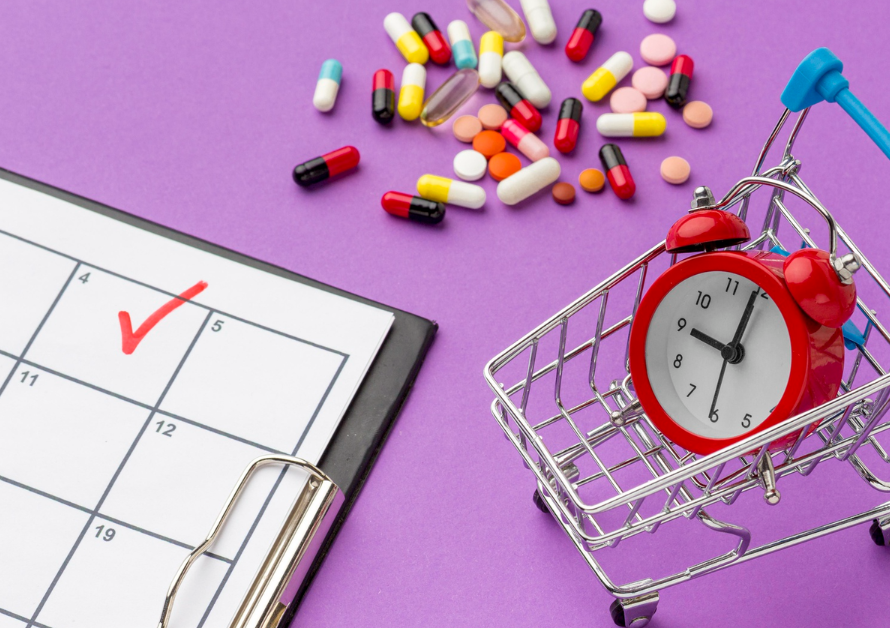
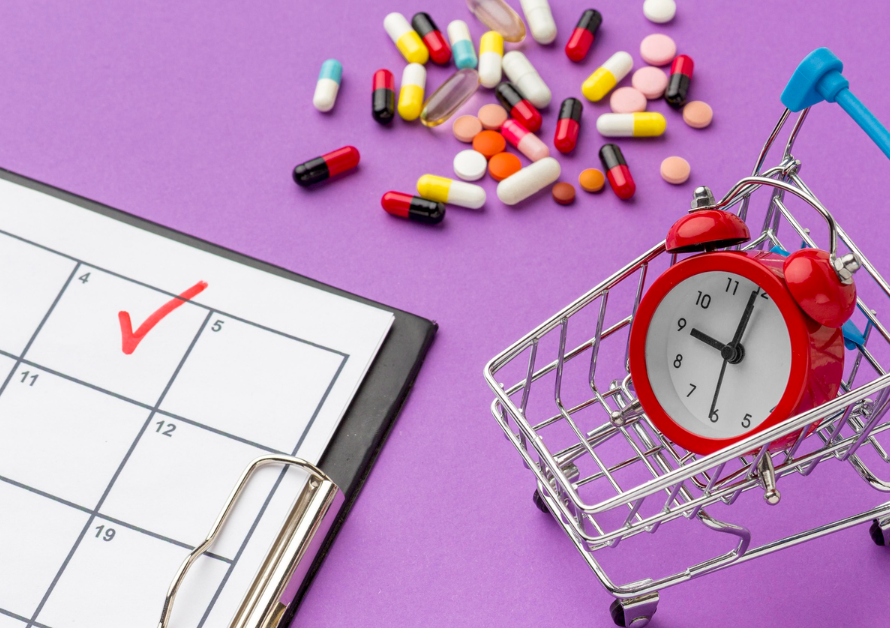
- This narrative explores the gap between the “Expiry Date” printed on medicine bottles and the actual “Shelf Life” of the drugs inside.
- While the law requires a date, scientific studies—including a massive project by the U.S. FDA and Military—reveal that 90% of medicines remain safe and effective for up to 15 years.
- However, the pharmaceutical industry’s reluctance to extend these dates results in billions of dollars in wasted national resources and severe environmental pollution.
- The text highlights when it is safe to ignore the date and when it is life-threatening to do so, calling for a more ethical and sustainable approach to medicine.
Science, Profit, and the Environment
The Mystery of the Expiry Date
- For decades, we have been conditioned to treat the “Expiry Date” on a bottle of medicine like the “Use By” date on a carton of milk. We believe that at the stroke of midnight on that date, the medicine transforms from a life-saving remedy into a dangerous toxin—or at the very least, a useless chalk pill.
- But have you ever wondered why, before 1979, these dates were almost non-existent? The practice began in the United States as a legal requirement for manufacturers to guarantee 100% potency and safety for a specific window. It was never intended to be the “death date” of the chemical compound. Today, this system is under fire.
- Critics, including Dr. Mohan Sridhar and investigative journalists like Richard Altschuler, argue that we are victims of a “disposable” medical culture designed to keep pharmaceutical balance sheets in the black while our wallets and the planet suffer.
The Billion-Dollar Experiment: The Military’s Secret
The most damning evidence against short expiry dates comes from the very organization that regulates them: the U.S. Food and Drug Administration (FDA).
- The U.S. Military once faced a massive problem. They were sitting on a $1 billion stockpile of medications intended for emergencies. Every few years, according to the printed dates, they were legally required to throw them all away and spend another billion dollars of taxpayer money to replace them. Suspecting this was a waste, the military asked the FDA to actually test the drugs.
- The results of the Shelf Life Extension Program (SLEP) were world-changing. After testing over 100 different drugs—both prescription and over-the-counter—the FDA found that 90% of them were perfectly safe and effective for at least 15 years past their expiry date.
- The conclusion was clear: Most drugs are incredibly stable. If kept in a cool, dry place, the chemical molecules do not simply vanish or turn poisonous. They remain ready to heal for a decade or more.
The “Profit Over Planet” Problem
- If the science shows that medicines last 15 years, why do companies still print dates that expire in two or three years? The answer is as simple as it is frustrating: Profit.
- If a pharmaceutical company labels a bottle of Aspirin with a 10-year expiry date, their sales will plummet. By labeling it for two years, they ensure that every household, pharmacy, and hospital in the world must “replenish” their stock five times in that same decade.
This isn’t just a financial scam; it is an environmental disaster.
- National Resource Waste: Governments spend billions on stockpiles for flu outbreaks or emergencies, only to incinerate them based on arbitrary dates.
- Chemical Pollution: When we throw away “expired” drugs, they end up in landfills or are flushed down the drain. These active chemicals eventually leach into the groundwater, affecting fish, wildlife, and even our own drinking water. The “greed for profit” is literally poisoning our ecosystem.
The Science of Stability
To understand why medicine lasts, we have to look at the chemistry. A tablet is a compressed block of active ingredients and “fillers.” As long as moisture and extreme heat don’t get inside, those molecules stay locked in place.
- Dr. Jens Carstensen, a professor emeritus at the University of Wisconsin and an expert on drug stability, once noted that Bayer tested its own Aspirin four years past the date and found it to be 100% potent.
- In many cases, even when a drug does start to break down, it doesn’t become toxic—it simply loses a tiny percentage of its strength. Taking a 10-year-old Ibuprofen might mean you get 90% of the dose instead of 100%, but it will still stop your headache.
Critical Warning: When You MUST Be Careful
While the “expiry myth” applies to many pills, we must balance this truth with extreme caution. There are critical conditions and unstable formulations where using an expired product is genuinely dangerous.
1. Life-or-Death Medications
If you are having a heart attack, a severe allergic reaction, or an asthma attack, you cannot afford to have a drug that is “90% effective.” In these cases, 10% less potency could be the difference between life and death.
- EpiPens (Epinephrine): The liquid can turn brown and lose its life-saving power.
- Nitroglycerin: Used for chest pain; it is so volatile that once the bottle is opened, it begins to degrade almost immediately.
2. Unstable Formulations
Not all medicine is a solid tablet. Some structures are fragile:
- Insulin: Used for diabetes, this is a protein. Like the protein in an egg, it can “spoil” or denature, making it useless for controlling blood sugar.
- Liquid Antibiotics: Once mixed with water by the pharmacist, these have a very short life. They are prone to growing bacteria and should be discarded according to the label.
- Eye Drops: The biggest danger here isn’t the chemistry, but the contamination. Once opened, the preservatives eventually fail, and you risk a serious eye infection by using old drops.
The Ethical Crossroads
- We are living in an era where we can no longer afford to be wasteful. The pharmaceutical industry has a moral obligation to reflect true stability dates on their packaging.
- When we throw away a bottle of 50 tablets just because of a date, we are contributing to a cycle of greed that drains the resources of the poor and pollutes the world for everyone.
- However, until the laws change, the responsibility falls on us. We must be educated consumers. We should stop the panic of throwing away a box of bandages or a bottle of Tylenol just because the date passed last month.
A New Rule of Thumb
- For minor issues (headaches, cold symptoms, muscle pain): If the tablets have been stored in a cool, dry place and look normal (no weird smell or crumbling), they are likely safe and effective years past the date.
- For liquid medicines and eye drops: Stick to the expiry date.
- For treatment of critical illness (Heart Attack, Severe Allergies): Always ensure your medication is fresh and within the guarantee period.
- The truth about expiry dates is a wake-up call. It reveals a system where marketing often screams louder than science.
- By understanding the difference between a “legal guarantee” and “chemical reality,”
- we can save money, protect our health, and stop the senseless pollution of our planet. It is time to value resources over re-orders and science over sales.
🇮🇳 Jai Bharat, Vandematram 🇮🇳
Read our previous blogs 👉 Click here
Join us on Arattai 👉 Click here
👉Join Our Channels👈