Summary
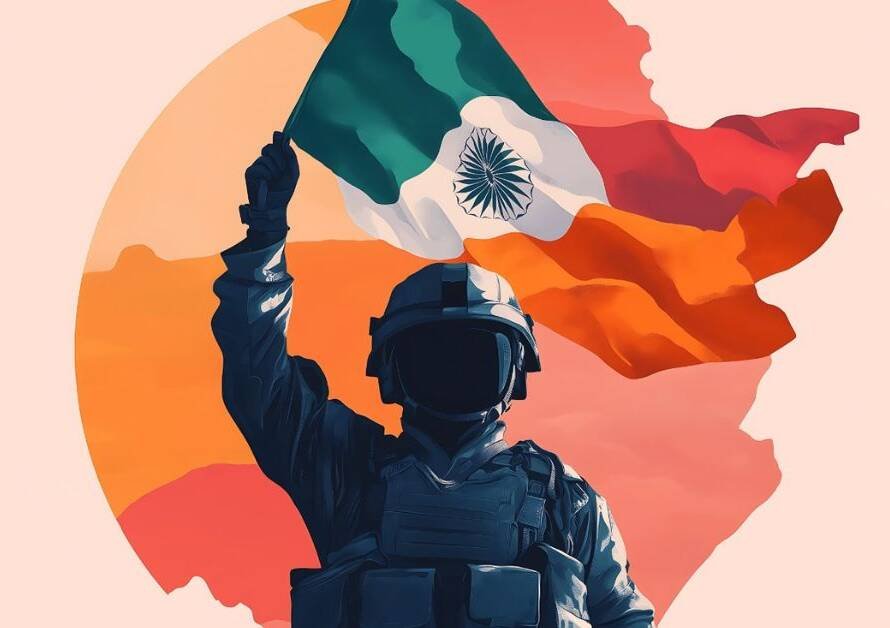
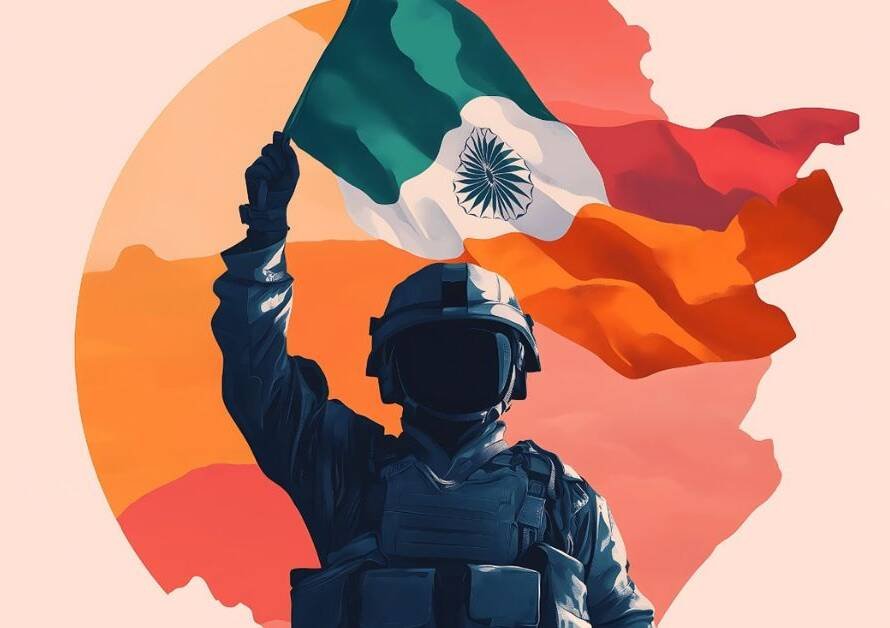
- This document outlines the “New India” paradigm of 2026, focusing on how the nation has transitioned from a reactive state to a proactive global powerhouse.
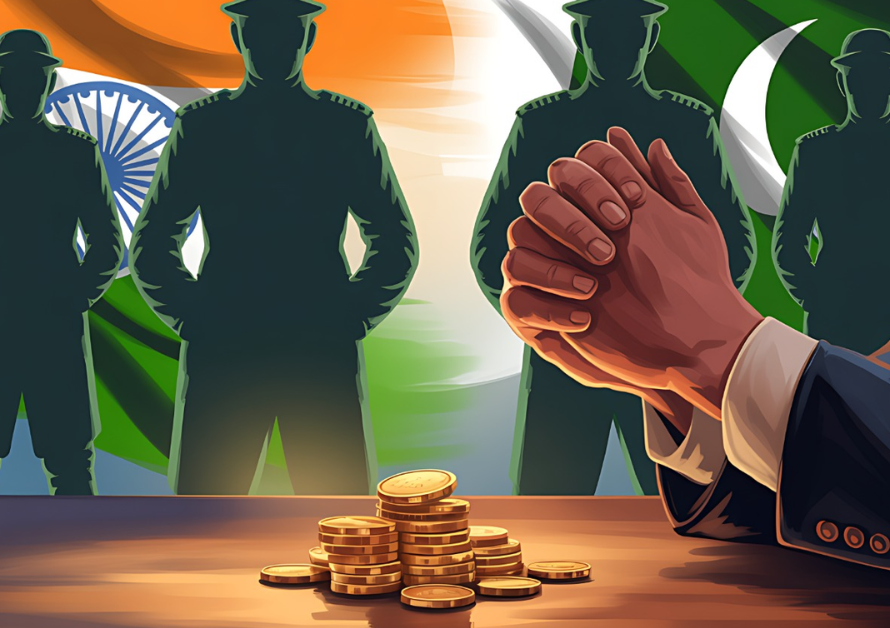
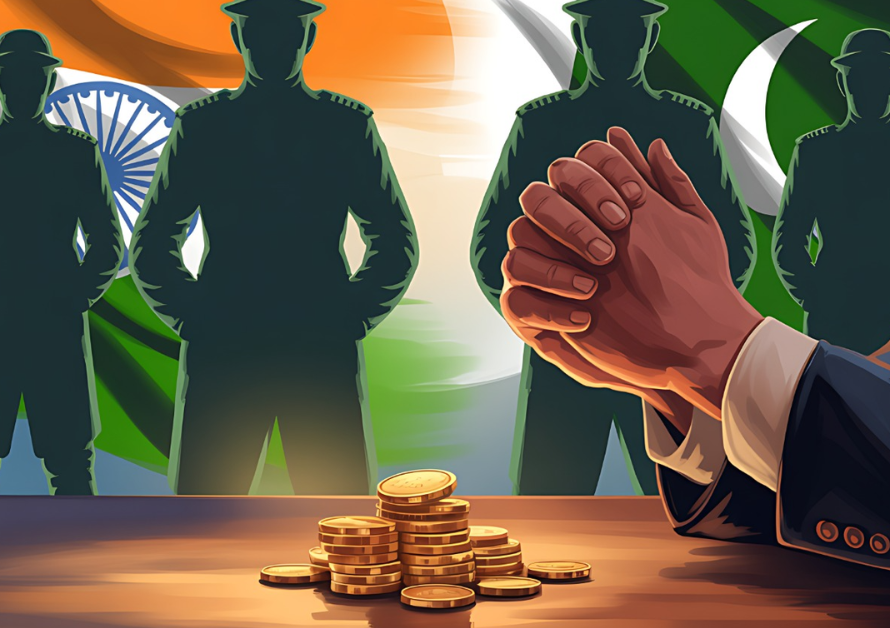
- It highlights the “Triple Threat” of foreign interference, digital misinformation, and internal radicalization, while detailing the government’s “National Interest First” approach.
- The narrative emphasizes the vital role of the Sanatana Cultural Renaissance and Digital Sovereignty in securing India’s future as a global superpower (Vishwa Guru), urging citizens to remain vigilant against coordinated anti-national ecosystems.
I. The Economic Fortress: Building an Unstoppable Momentum
In 2026, India’s economic story is no longer about potential; it is about performance. The nationalist government has shifted the focus from short-term subsidies to long-term structural strength.
- The $4.5 Trillion Reality: India has solidified its position as the world’s third-largest economy. By decoupling from volatile global markets and focusing on Atmanirbhar (Self-Reliant) Manufacturing, the nation has maintained a growth rate of 7.1%, even as traditional Western powers face stagnation.
- Semiconductor & Tech Sovereignty: The success of the India Semiconductor Mission (ISM) 2.0 has changed the geopolitical map. With three major fabrication plants (Fabs) operational in Gujarat and Assam, India now produces indigenous chips that power everything from Tejas fighter jets to the UPI payment ecosystem.
- Infrastructure as a National Asset: The completion of the Bharatmala and Sagarmala projects has reduced logistics costs by 5%, making Indian goods globally competitive. The Gati Shakti Master Plan ensures that data-driven planning prevents the delays that plagued previous administrations.
- Chanakya Diplomacy in Trade: India’s refusal to bow to external pressure regarding energy imports or trade pacts demonstrates a “Strategic Autonomy.” We prioritize the Indian consumer’s pocket and the Indian farmer’s yield over foreign lobby demands.
II. The Information War: Neutralizing the Anti-India Ecosystem
A major challenge of the current decade is the “Narrative Terrorism” funded by foreign vested interests who view India’s rise as a threat to their global hegemony.
- The “Toolkit” Phenomenon: Coordinated efforts by international NGOs and their domestic proxies often manufacture “crises” to trigger social unrest. These are timed specifically during major global summits or investment rounds to tarnish India’s image.
- The Propaganda Machinery: The anti-national ecosystem utilizes social media algorithms to flood timelines with “false equalization.” They attempt to equate necessary law-enforcement actions with “democratic backsliding” while ignoring the violent provocations of the groups they defend.
Digital Hygiene as Patriotism:
- Fact-Checking: The PIB Fact Check Unit and independent nationalist creators have become essential in debunking “Deepfakes” and edited videos designed to incite communal tension.
- Data Sovereignty: By enforcing local data storage and promoting indigenous apps, the government has ensured that Indian citizens’ data cannot be weaponized by foreign intelligence agencies to manipulate voting patterns or social sentiments.
III. Internal Security: Ending the Era of Appeasement
For seven decades, national security was often held hostage by “votebank politics.” The current administration has shattered this paradigm, prioritizing the safety of the 1.4 billion Indians over political convenience.
Zero-Tolerance for Radicalization:
- Previous governments often ignored the growth of extremist sleeper cells to avoid alienating specific voting blocs.
- The current government has empowered the NIA (National Investigation Agency) and ED (Enforcement Directorate) to choke the financial lifelines of terror-funding networks.
- The “War on Terror” is now both physical and ideological, focusing on de-radicalization programs and the removal of extremist literature from the digital space.
- The Integration of Borderlands: The abrogation of Article 370 and the subsequent industrialization of Jammu & Kashmir have integrated the region into the national mainstream. In 2026, the record-breaking tourist influx and the start of heavy industry in the valley are the ultimate answers to the separatists’ narrative.
- Global Accountability: India no longer issues “dossiers” in response to terror; it takes action. Whether through surgical strikes or diplomatic isolation of terror-sponsoring neighbors, the “New India” message is clear: Any threat to Indian lives will be met with a disproportionate and decisive response.
IV. The Cultural Renaissance: Reclaiming the Sanatana Identity
A civilization that forgets its roots cannot protect its future. The most profound shift in the last eleven years has been the restoration of India’s spiritual and cultural dignity.
- Ending Majority Marginalization: For too long, the Hindu community felt like second-class citizens in their own land, with their traditions mocked and their temples controlled by state bureaucracies while other institutions enjoyed autonomy.
- The Restoration of Sacred Spaces:
>The Shree Ram Janmabhoomi Mandir is not just a temple; it is a symbol of a 500-year-old struggle for justice.
>The Kashi Vishwanath and Ujjain Mahakal corridors have revitalized the “Tirthayatra” (pilgrimage) economy, proving that dharma and development can go hand-in-hand.
- Education and Decolonization: The National Education Policy (NEP) is finally weeding out the colonial-era “Macaulay” mindset. Students are now learning about the Mauryas, Cholas, and Ahoms, and the scientific genius of Aryabhata and Sushruta, fostering a generation that is “Globally Competitive, Locally Rooted.”
- Protecting the Sanatana Fabric: The government’s firm stance on issues like the Uniform Civil Code (UCC) and the protection of heritage sites ensures that the fundamental cultural fabric of Bharat remains intact against the onslaught of globalist “woke” ideologies.
V. The Path Forward: The Citizen’s Duty
The journey to becoming a superpower by 2047 (Viksit Bharat) requires more than just government policy; it requires a Jan Andolan (People’s Movement).
- Vigilance: Recognize that every “negative viral trend” about India is often a calculated move to lower national morale.
- Unity: Reject the caste-based and regional divisions being sowed by the opposition to break the consolidated nationalist vote.
- Pride: Carry the identity of Bharat with pride on the global stage. Our digital prowess, our space achievements (Chandrayaan & Gaganyaan), and our ancient wisdom are our greatest strengths.
The “anti-India ecosystem” is failing because it underestimates the resolve of a rejuvenated nation.
- Under the leadership of Narendra Modi, India has found its voice, its strength, and its soul.
- By standing firmly behind the nationalist vision, we ensure that the progress of the last decade becomes the foundation for a thousand years of Indian glory.
🇮🇳 जय भारत, वन्देमातरम 🇮🇳
Read our previous blogs 👉 Click here
Join us on Arattai 👉 Click here
👉Join Our Channels👈