Summary
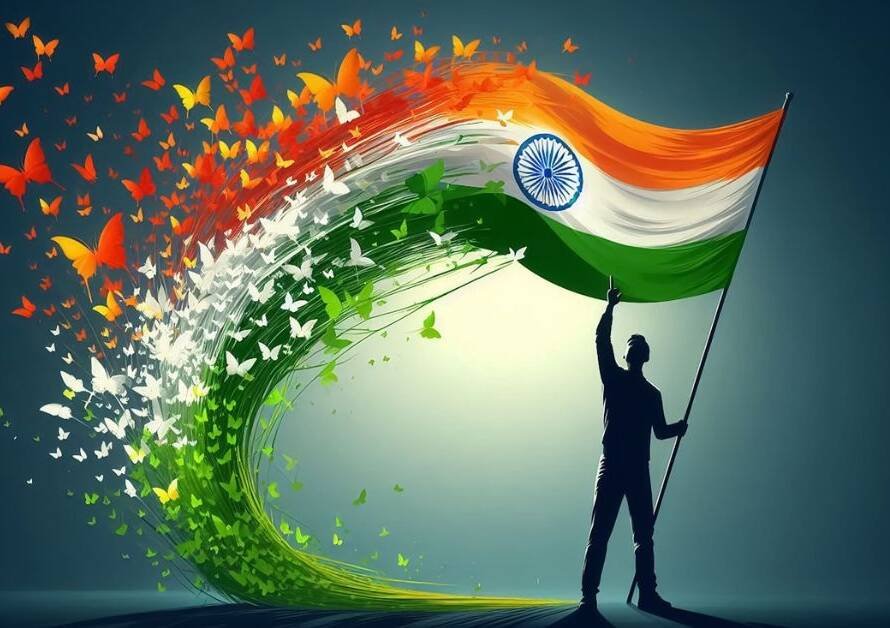
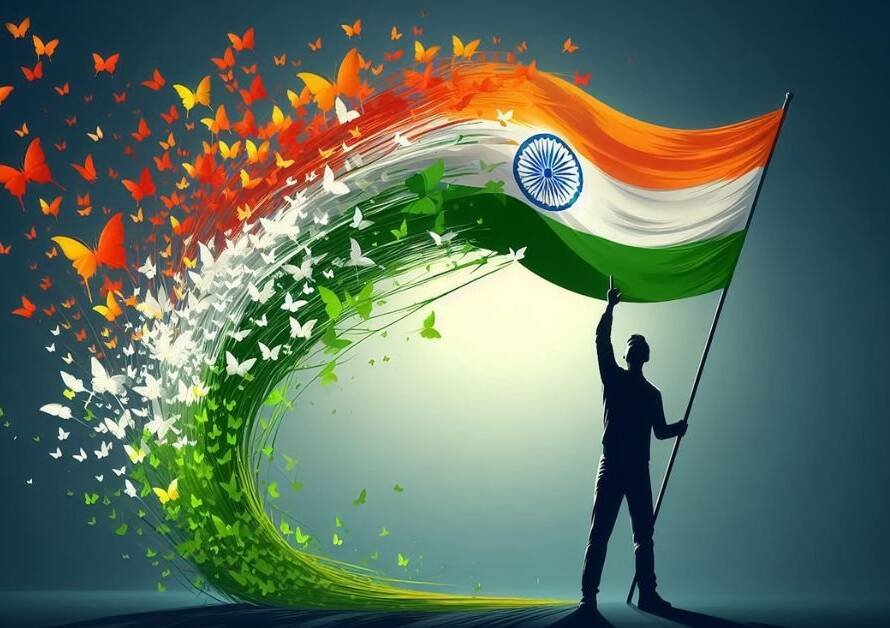
- India today stands at a historic phase where the direction taken now will shape the country’s future for generations to come.
- For many decades after independence, the nation experienced political and administrative challenges such as corruption, vote-bank politics, appeasement policies, weak governance structures, and institutional inefficiencies. These issues gradually weakened the system from within—much like termites silently hollow out a strong structure.
- In the last decade, however, a new political and governance approach has begun to emerge. Under the leadership of Prime Minister Narendra Modi, governance has increasingly focused on national interest, development, transparency, national security, and civilizational confidence. India has taken several transformative steps domestically while simultaneously strengthening its global position.
- Today India is increasingly emerging as one of the safe, stable, and opportunity-rich countries in the world. At the same time, there is growing global interest in the philosophical principles of Sanatana Dharma, whose timeless values of balance, duty, harmony, and universal welfare can help guide humanity toward a more peaceful world.
- At such an important moment, the responsibility of citizens becomes even greater. Society must remain alert against misinformation, divisive narratives, and propaganda ecosystems that attempt to weaken national unity or invite external interference in India’s internal affairs.
- A vigilant, united, and responsible society is essential for strengthening the nation.
1. Challenges That Gradually Weakened the System
- After independence, India successfully built one of the world’s largest democracies.
- However, over several decades the country also faced several political and administrative challenges that affected its development trajectory.
- These issues gradually weakened institutional efficiency.
Key challenges included:
• Vote-bank politics, where short-term electoral gains often took priority over long-term national interests
• Multiple corruption scandals that affected public trust in governance
• License-raj and bureaucratic complexity that limited entrepreneurship and industrial growth
• Slow administrative processes and lack of accountability
• Political tendencies to divide society along caste, religious, or regional lines
Over time, these factors weakened the system from within—similar to termites slowly hollowing out a structure.
2. Emergence of a New Direction in Leadership
- Over time, the public increasingly felt the need for a governance model that prioritizes long-term national interests.
- In the past decade, several changes in governance priorities have become visible.
Under the leadership of Prime Minister Narendra Modi, key areas of focus have included:
• Firm action against corruption and administrative reforms
• National security as a top priority
• Massive expansion of infrastructure
• Digital governance and transparency
• Direct welfare delivery to marginalized communities
• Revival of India’s civilizational and cultural confidence
These initiatives have helped strengthen public confidence in governance and national direction.
3. Landmark Decisions That Shaped a New National Direction
- Several major policy decisions in recent years have significantly influenced India’s political and social landscape.
Abrogation of Article 370
- The removal of Article 370 from Jammu and Kashmir was considered a historic step toward national integration.
Its objectives included:
• Fully integrating Jammu and Kashmir into the national framework
• Opening opportunities for development and investment
• Addressing long-standing security challenges in the region
Construction of the Ram Temple in Ayodhya
- The construction of the Ram Temple in Ayodhya represents an important chapter in India’s cultural and civilizational history.
For many citizens, it symbolizes:
• Cultural resurgence
• Restoration of historical self-respect
• Reaffirmation of civilizational identity
Digital India and Transparent Governance
- The Digital India initiative has brought transformative changes to governance.
Major developments include:
• Expansion of digital payment systems
• Direct Benefit Transfers to improve transparency
• Digitization of government services
• Development of nationwide digital infrastructure
These reforms have improved administrative efficiency and transparency.
4. India Emerging as a Safe and Opportunity-Rich Nation
- India today is increasingly being seen as a stable, secure, and opportunity-rich nation.
Several factors contribute to this perception:
• Rapid expansion of infrastructure
• A strong start-up and innovation ecosystem
• Advances in digital technology
• Stable democratic institutions
• A large young population driving economic growth
As a result, India is becoming a major destination for:
• Global investment
• Technology development
• Entrepreneurship and innovation
• Long-term economic opportunities
5. Global Relevance of Sanatana Dharma’s Principles
- Along with India’s rise, there is growing global curiosity about the philosophical principles of Sanatana Dharma.
- Sanatana Dharma offers timeless guidance for balanced and harmonious living.
Key principles include:
• Vasudhaiva Kutumbakam — the world is one family
• Nishkam Karma — selfless action without attachment to results
• Dharma — living responsibly and ethically
• Harmony with nature
• Respect for diversity
Through yoga, meditation, and Indian philosophical teachings, these ideas are spreading globally and can contribute toward building a more peaceful and harmonious world.
6. Remaining Vigilant Against Misinformation and Narrative Warfare
- The modern era is not only about economic or military competition—it is also about information and narrative warfare.
- Through social media platforms and global forums, narratives can be shaped that influence public perception and national stability.
- Therefore citizens must remain vigilant.
It is important to:
• Verify information circulating on social media
• Avoid being influenced by misleading or emotionally driven propaganda
• Recognize narratives that attempt to weaken India’s global image
• Remain cautious about efforts that seek to invite external interference in India’s internal affairs
An informed and aware citizenry is one of the strongest pillars of a resilient nation.
7. A United Society Strengthens the Nation
- History repeatedly demonstrates that when societies become divided, nations weaken.
- However, when citizens stand united, a nation gains extraordinary strength.
“United we are strong; divided we shall fail.”
Therefore citizens should:
• Prioritize national interest
• Strengthen social harmony
• Actively participate in nation-building
• Work toward creating a stronger future for the next generations
India is entering a transformative era marked by economic progress, technological advancement, cultural resurgence, and growing global influence.
- With strong leadership, sound policies, and an aware citizenry, it is possible to eliminate the “termites” that weaken the nation from within.
- A united, aware, and confident India can move forward as a strong and prosperous nation capable of contributing positively to the world.
🇮🇳 Jai Bharat, Vandematram 🇮🇳
Read our previous blogs 👉 Click here
Join us on Arattai 👉 Click here
👉Join Our Channels 👈