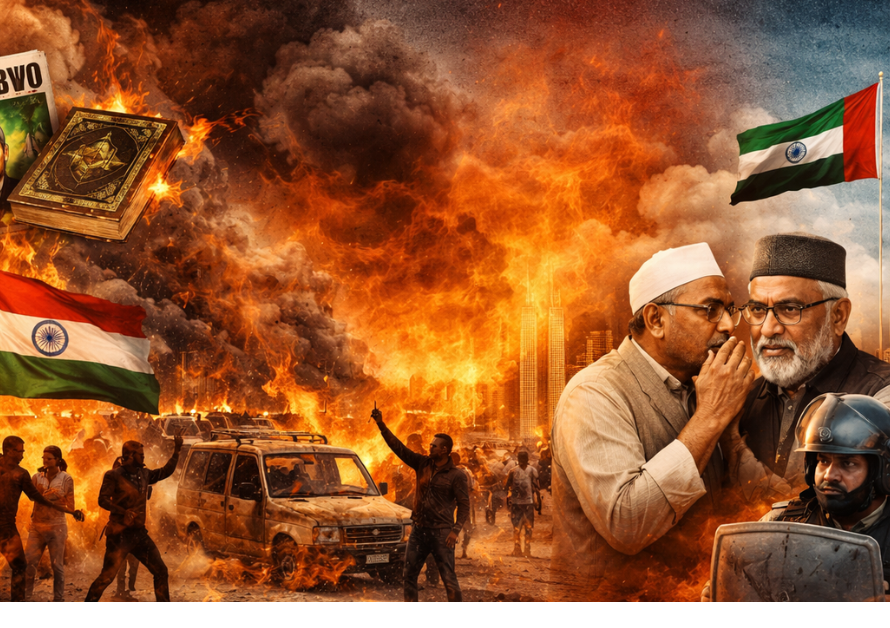
The Anti-India Ecosystem and Global Pressures
- For the first time since Independence, India’s rise is not being celebrated quietly—it is being questioned loudly.
- From Western capitals to global media, from foreign think tanks to
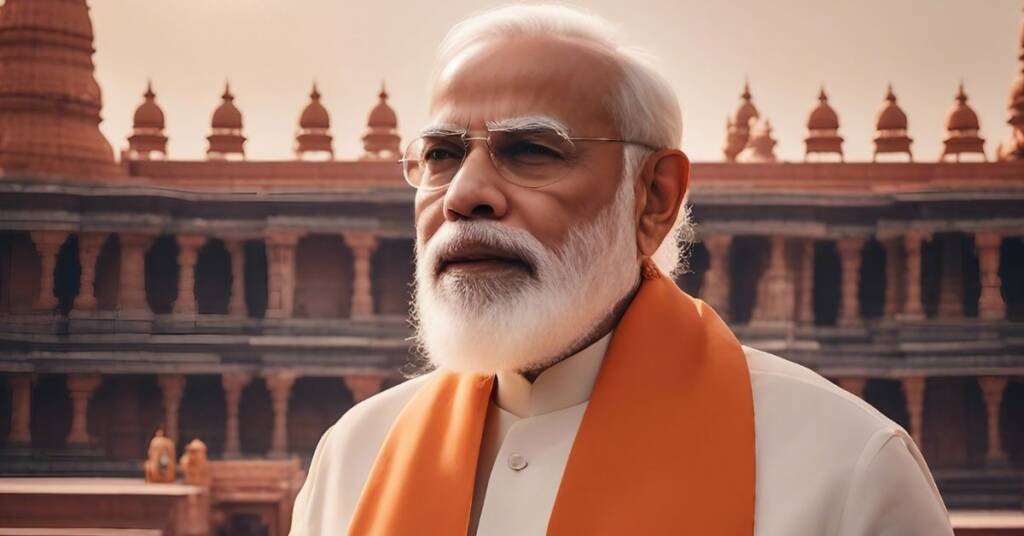
India’s opposition benches, a visible restlessness has emerged around Modi’s New India.
- This anxiety is not accidental.
- It is the natural response when old power equations collapse and new realities emerge.
1. The Fundamental Disruption: India Has Stopped Seeking Approval
For decades, India functioned as a nation that:
- Looked outward for validation
- Adjusted domestic policy to suit foreign opinion
- Signed unequal trade and defence deals
- Operated within Western-defined frameworks
That India was predictable, manageable, and comfortable for global powers.
Modi’s New India broke this habit
- India now negotiates as an equal, not a petitioner
- Walks away from unfair trade agreements
- Diversifies partners instead of yielding to pressure
- Frames foreign policy around national interest, not ideological loyalty
The moment a nation stops seeking approval, it becomes difficult to control.
- That single shift explains much of today’s global discomfort.
2. Why Global Superpowers Are Uneasy
- India today is no longer just a large market. It is becoming a system-shaping power.
Key realities unsettling global power centres:
- India is now the 4th largest economy
- The fastest-growing major economy
- A credible military power
- An emerging exporter of defence equipment
This directly impacts:
- Western defence manufacturers
- Supply-chain monopolies
- Financial systems dependent on Indian dependency
- Strategic leverage built over decades
A self-reliant India reduces arms imports, weakens economic leverage, and limits strategic coercion.
3. Defence & Strategic Shock: From Buyer to Competitor
One of the biggest disruptions is in defence.
- India is no longer only buying weapons—it is building and exporting them
- Indigenous defence production has scaled rapidly
- Indian platforms now compete in international markets
- For decades, defence exports were a major source of revenue and influence for Western nations.
- India’s emergence as a supplier hits livelihoods, leverage, and long-term influence.
This economic discomfort often surfaces as “strategic concern.”
4. Strategic Autonomy and the Multipolar Challenge
Another reason for restlessness is India’s refusal to become a camp follower.
Modi’s India:
- Works with the West where interests align
- Engages Russia pragmatically
- Manages China firmly and realistically
- Builds partnerships beyond rigid military blocs
This approach weakens:
- NATO’s uncontested global influence
- Western monopoly over security narratives
- The old unipolar world order
India is not anti-West—it is pro-India. And that independence reshapes global power balances.
5. Why the Anti-India Global Ecosystem Is Alarmed
Every rising power attracts an ecosystem that tries to:
- Control narratives
- Question legitimacy
- Highlight negatives selectively
- Downplay achievements
In India’s case, this ecosystem includes:
- Sections of global media
- Foreign-funded NGOs
- Think tanks aligned with older power structures
- Ideological groups uncomfortable with civilizational assertion
Why the anxiety? Because Modi’s New India:
- Reclaims civilizational confidence
- Rejects external moral certification
- Pushes cultural self-respect
- Challenges Western intellectual dominance
A confident civilization cannot be easily pressured.
6. Why India’s Opposition Is the Most Restless
- The opposition’s discomfort is existential, not merely electoral.
For decades, opposition politics thrived on:
- Slow growth and scarcity
- Import-dependent economics
- Foreign-linked policy advice
- Control through licences and contracts
This system enabled:
- Commission-based politics
- Middlemen and gatekeeping
- Corruption hidden within foreign deals
Modi’s New India dismantles this ecosystem
- Digital governance reduces leakage
- Direct benefit transfers bypass political brokers
- Domestic manufacturing cuts import rent-seeking
- Rapid infrastructure growth exposes governance failures
- An independent, fast-moving India makes old politics obsolete.
That is why:
- Growth is dismissed as “insufficient”
- Confidence is labelled “arrogance”
- Assertiveness is portrayed as “dangerous”
The real fear is loss of relevance.
7. Why “India Is Still Small” Is Repeated Relentlessly
This phrase serves multiple purposes:
- Preserves global hierarchy psychologically
- Undermines domestic confidence
- Protects outdated intellectual frameworks
- Delays acceptance of India as a peer power
It is not an economic assessment. It is a narrative weapon designed to slow momentum.
8. The Reality They Struggle to Accept
India today:
- Grows without permission
- Reforms without fear
- Trades without submission
- Speaks on global platforms with confidence
This is unsettling for:
- Global systems used to dominance
- Domestic politics built on dependency
- Intellectual elites rooted in an older world order
The Real Reason Behind the Restlessness
Global superpowers are restless because:
- India no longer plays junior partner
The anti-India ecosystem is restless because:
- Narrative control is slipping
India’s opposition is restless because:
- Their old politics has no space now in New India
The truth is simple
- India is not rising with permission. India is rising with conviction.
- India is not seeking validation. India is defining its own destiny.
And that is why Modi’s New India is making so many powerful players uncomfortable.
🇮🇳Jai Bharat, Vandematram 🇮🇳
For old Blogs please visit our website www.saveindia108.in
To join our whatsapp Community please click
https://chat.whatsapp.com/FMr2WNIgrUVG9xK78FW5Dl?mode=r_t
To join our Telegram group please Click https://t.me/+T2nsHyG7NA83Yzdl Old Blogs are available on the telegram group also.