Today, Indian society is facing numerous challenges, including loneliness, stress, and a lack of values among children and the elderly. The root of many of these problems can often be traced to family breakdown. A weakened family does not only create personal crises but also affects social stability and the nation’s rebuilding. Mental colonisation and pseudo-secularism have further deepened this family breakdown. If we want India to become a secure, strong, and confident nation, it is essential to prevent family breakdown and restore core family values.
Pseudo-Secularism and the Path to India’s Rebuilding
🔶 1. Where Do Our Everyday Crises Really Come From?
- The problems we face today may appear different, but their root cause is largely the same—the weakening of the family structure.
- Loneliness, stress, and depression
- Breakdown of relationships and rising divorces
- Neglect of the elderly, lack of values among children
- Social distrust and insecurity
👉 This situation did not arise overnight; it is the result of decades of mental conditioning.
🔶 2. Western Education Mindset and Mental Colonization
During the colonial period, it was not only governance that changed—our thinking was reshaped.
- Religion, culture, and family were separated from education
- Western individualism was portrayed as “superior”
- The joint family system was labeled “backward”
Consequences:
- Ego grew, family weakened
- Society loosened, culture was sidelined
- We became trapped in imitation where the individual is supreme and society secondary
🔶 3. Joint Family: Not Just a House, but a Philosophy of Life
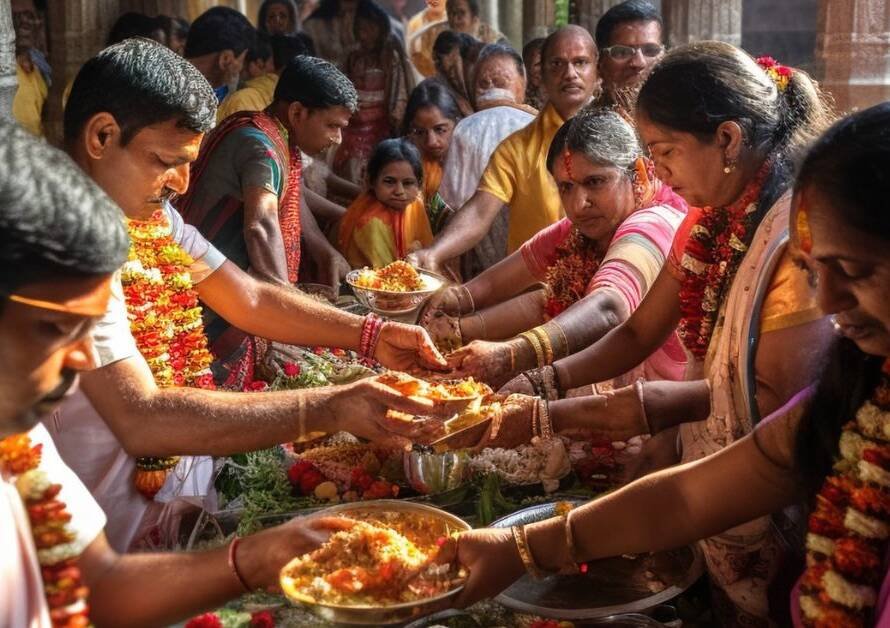
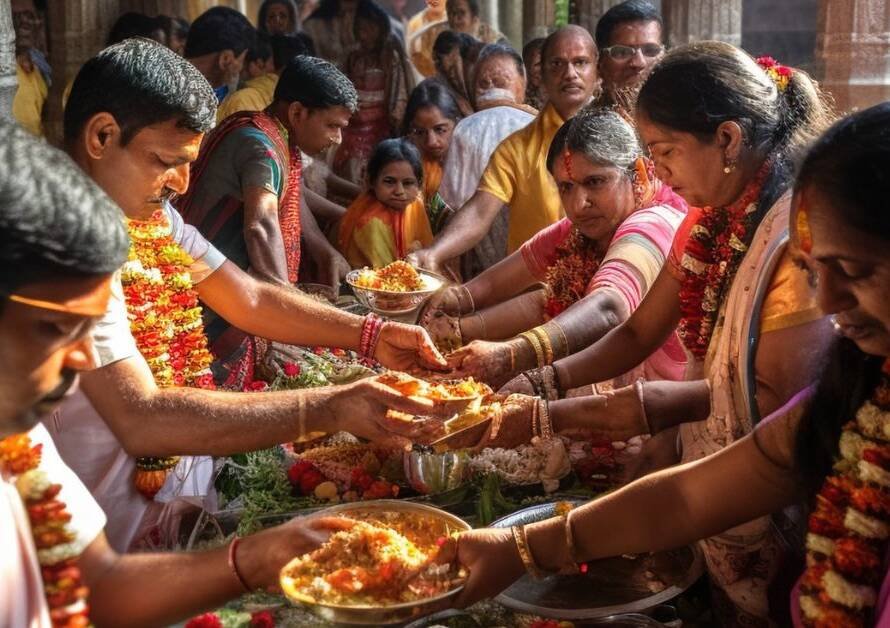
The Indian joint family represented:
- Togetherness of three to four generations
- Shared resources and responsibilities
- Transfer of experience and continuity of values
- Decisions through dialogue, life through cooperation
👉 This was our true social security system—without insurance, without apps.
Children learned democracy here; elders served as guides.
🔶 4. The Assault of the Market, Media, and Consumerism
The market’s formula was simple—“Break families, expand markets.”
- Joint family = low consumption
- Nuclear family = high consumption
📺 Media portrayed family life as conflict-driven.
🛍 Consumerism turned disintegration into “expansion”:
- 1 home → 4 homes
- 1 kitchen → 4 kitchens
- 1 TV → 4 TVs
👉 Society lost warmth and gained subscriptions.
🔶 5. Pseudo-Secularism: An Invisible but Deep Wound
Secularism should mean equal respect for all, but in practice:
- Faith and tradition were suppressed
- Culture was branded “regressive”
- Society was fragmented into caste compartments
Results:
- Declining self-confidence
- Weakening social unity
- Fragmented national consensus
🔶 6. Excessive Consumerism: Drifting Away from Balance
- Life’s purpose shifted from duty and balance to consumption and display.
- “Contentment in simplicity” replaced by “status through excess”
- Family and children evaluated through cost–benefit lenses
👉 Excessive consumerism makes society dependent and unstable, not prosperous.
🔶 7. Demography and National Stability: The Ignored Truth
In a democracy: Numbers → Representation → Policy → Future.
- Late marriages, fewer children, and distancing from family affect representation
- Imbalance increases social tension and policy distortion
👉 This is not about any community; it is about national stability.
🔶 8. Warning and Direction: Consequences of Imbalance
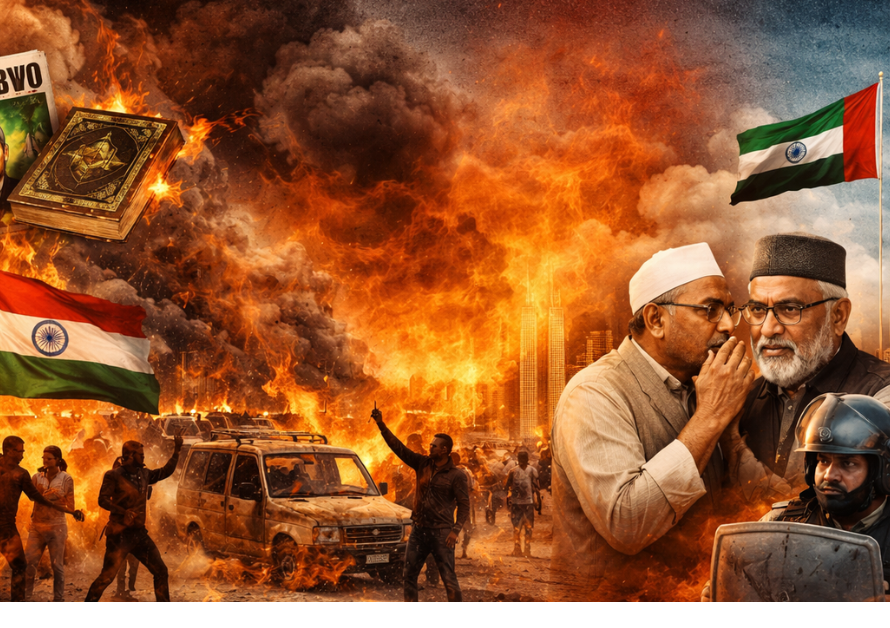
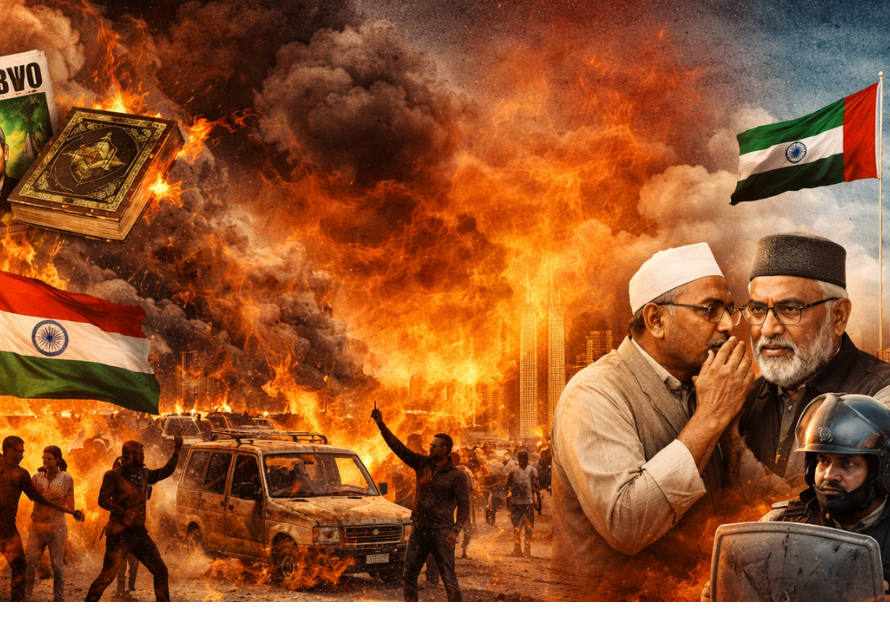
History shows:
- Imbalance and extremism increase social tension
- Economic decline
- Security risks
India’s strength lies in its diversity, tolerance, and constitutional balance—these must be protected from all forms of extremism.
🔶 9. Government and Society: Shared Responsibility
Today, India is moving toward:
- Infrastructure growth and economic stability
- Global trust
- Cultural self-confidence
The government is performing its duty. But nation-building is impossible without society’s participation.
Society must embrace:
- Respect for law and civic duties
- Tax discipline and social responsibility
- Priority to family
- National interest above personal interest
🔶 10. The Path Forward: Sanatana, Family, and Balance
- If India is to become secure, harmonious, and a global power, it must:
✔ Restore the family model
- View the joint family as an asset, not a burden
- See elders as guides and children as the future
✔ Reconnect with Sanatana values
- Duty, sacrifice, balance, compassion
- Orientation toward collective welfare
✔ Practice balanced modernity
- Adopt technology without abandoning roots
- Modernity ≠ Westernization
🔶 11. What Can Be Done: Practical Steps
- Regular dialogue and time with family
- Celebrate festivals together
- Learn from elders’ experiences
- Instill a sense of duty in children
- Practice moderation in consumption, avoid showmanship
🔶 12.The Time Is Now
The solution to our problems lies:
- Not only in policies
- But in homes and minds
If we:
- Restore family and culture
- Break free from the illusion of pseudo-secularism
- Halt the blind race of consumerism
- Actively support constitutional, nation-centric governance
Then India will become not just an economic superpower, but a
secure, stable, and confident civilization.
- Strong Families → Strong Society → Strong Nation. 🕉️
🇮🇳 Jai Bharat, Vandematram 🇮🇳
For old Blogs please visit our website www.saveindia108.in