Summary
- This narrative outlines the historical departure from Swami Vivekananda’s vision during the first seven decades of Indian independence and the subsequent correction under the leadership of PM Narendra Modi and the RSS.
- It highlights the transition from an era of “appeasement and fragility” to an era of “action and sovereignty.”
- By integrating Sanatana principles into governance and grassroots social work, the document calls for a unified national effort to dismantle destructive ideologies and establish Bharat as a global Vishvaguru dedicated to universal peace.
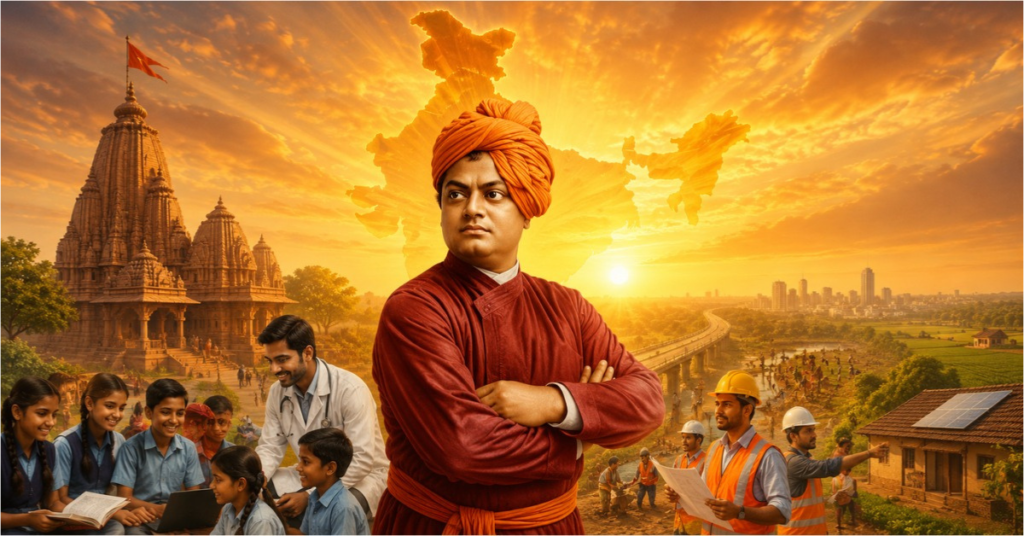
Realizing Swami Vivekananda’s Vision Through Governance and Grassroots Action
I. The Historical Void: Seventy Years of Neglect
For the first seven decades following independence, the soul of Bharat was systematically distanced from its civilizational roots. While Swami Vivekananda had envisioned a nation built on “Man-Making” and “Character-Building,” the ruling Congress and “Thugbandhan” (opportunistic alliances) governments prioritized political survival over national strength.
- Marginalization of Sanatana Dharma: The state apparatus was frequently used to suppress the indigenous cultural and spiritual identity of the land. Sanatana principles, which offer a template for universal harmony, were labeled as regressive to suit a narrow definition of secularism.
- The Politics of Appeasement: Governance was often reduced to vote-bank arithmetic. By prioritizing the appeasement of the Muslim community, successive governments created deep social fissures rather than fostering genuine national integration.
- The Missionary Influence: To court favors from Western powers, the gates were often left open for aggressive missionary activities. This not only led to the erosion of tribal and rural cultures but also drained the country’s social capital, often leading to demographic shifts and internal conflicts.
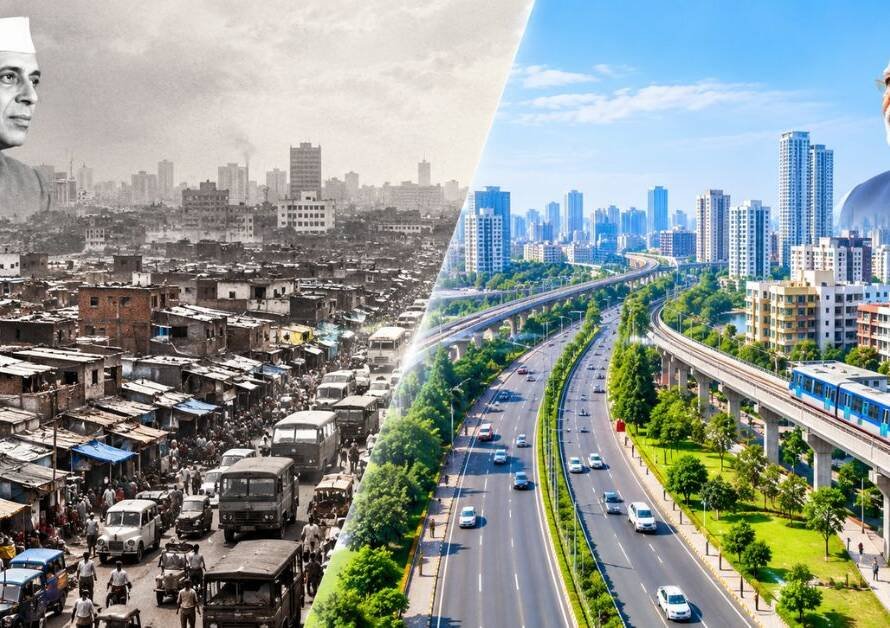
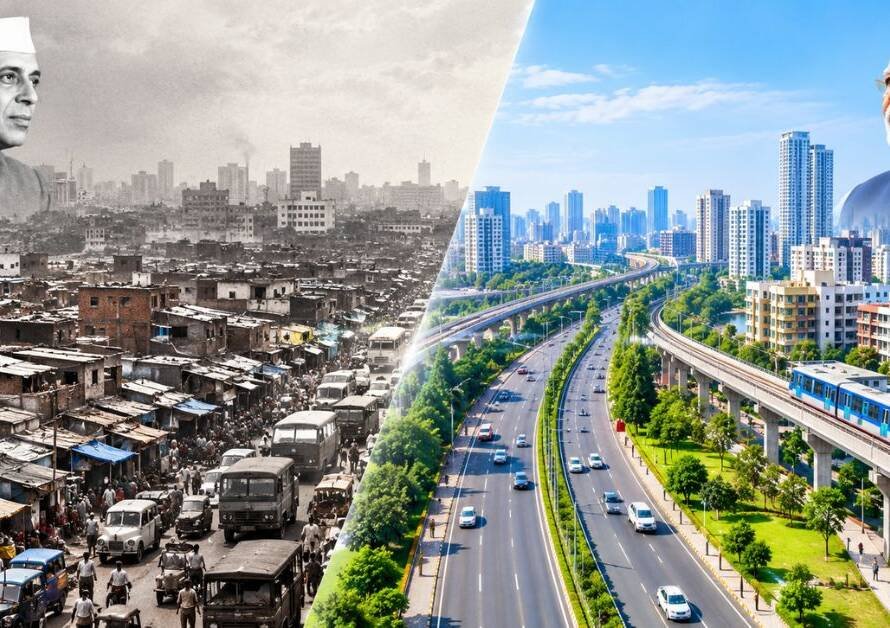
- Economic Fragility: By 2014, India was categorized among the “Fragile Five” economies. A lack of self-belief led to a dependency on foreign imports and ideologies, bleeding the country’s resources and stalling its potential to become a superpower within its first 50 years.
II. The Paradigm Shift: Vivekananda in Action (2014–Present)
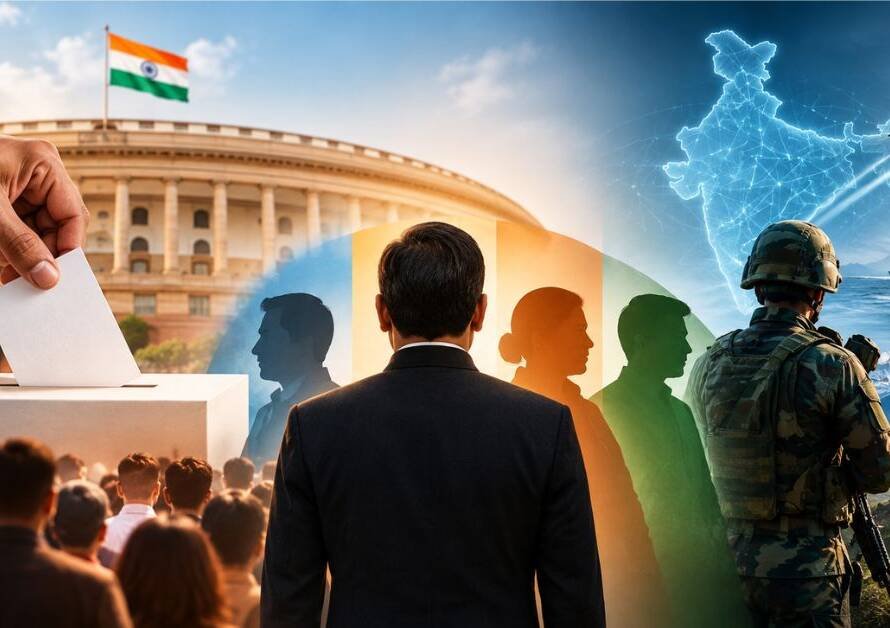
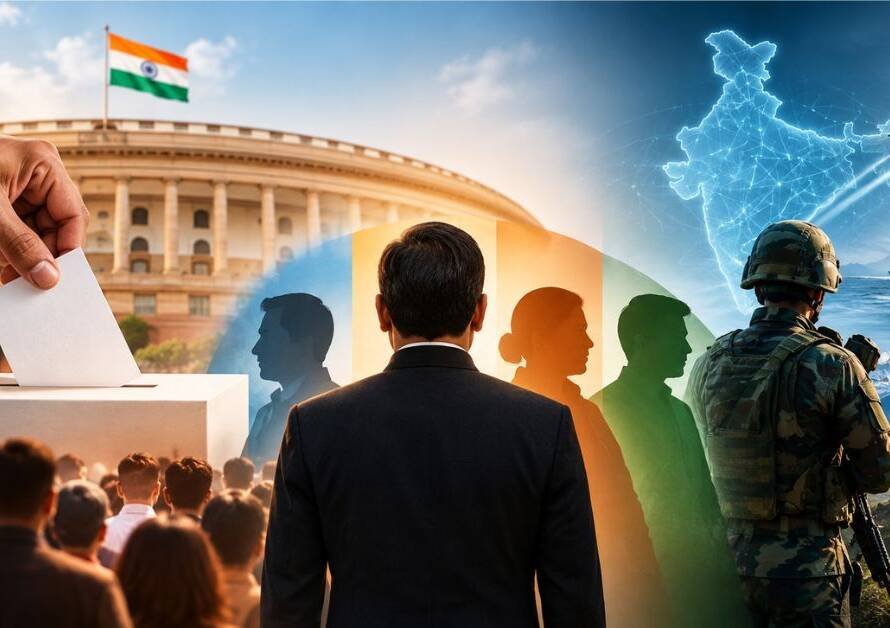
The ascent of Prime Minister Narendra Modi marked the transition from “vision on paper” to “vision in policy.” This era represents the practical application of Swami Vivekananda’s teachings at the highest levels of statecraft.
- Political Sovereignty and Pride: Modern governance now draws inspiration from our Shastras and Swamiji’s call for strength. The revitalization of sacred sites like Kashi, Ayodhya, and Ujjain is not merely about religion; it is about reclaiming the national psyche from a thousand years of colonial and invader mindsets.
- From Fragility to Global Engine: In just 12 years, the implementation of “India First” policies has catapulted Bharat into the position of a global economic powerhouse. The focus on Atmanirbhar Bharat (Self-Reliant India) is the modern manifestation of Swamiji’s dream of a nation that does not beg but bestows.
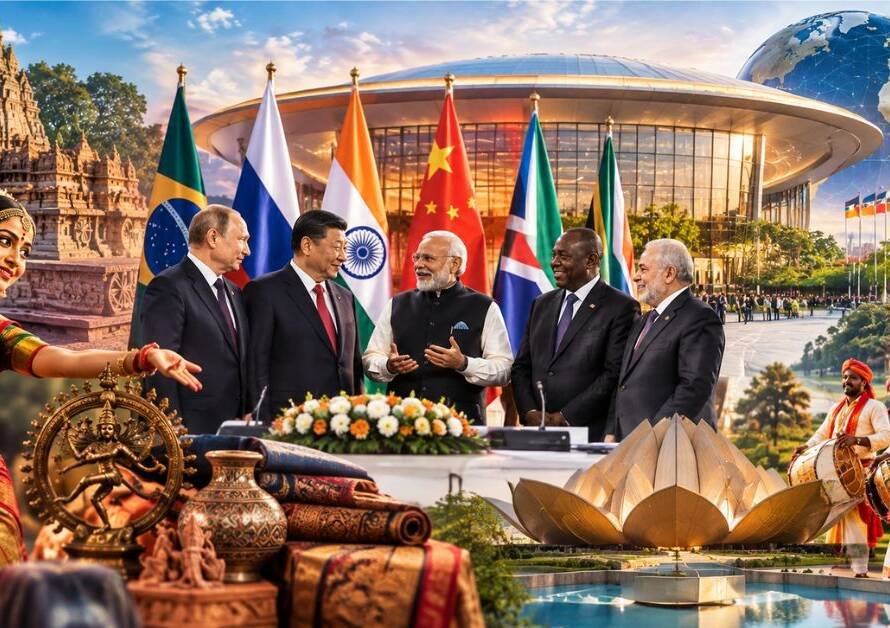
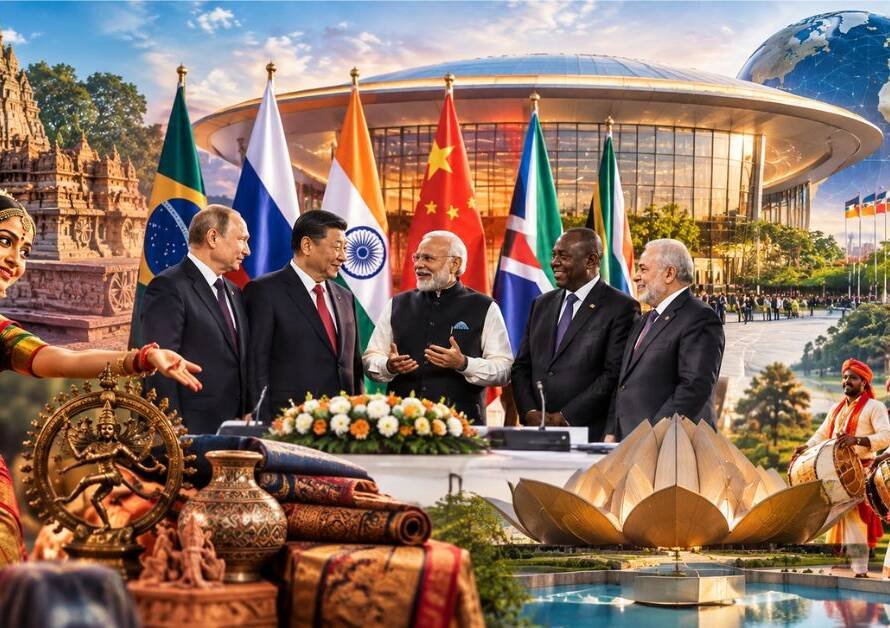
- Global Leadership (Vishvaguru): Whether through the “Yoga for Peace” initiatives or the “Vaccine Maitri” during global crises, Bharat is now acting as a moral and spiritual guide to the world, proving that true power lies in the service of humanity (Seva).
III. Grassroots Transformation: The RSS and the Silent Revolution
While the government provides the policy framework, the Rashtriya Swayamsevak Sangh (RSS) serves as the cultural and social backbone, working at the grassroots level to uplift the most marginalized sections of society.
- Uplifting the Vanvasi and Tribal Communities: For decades, the RSS has worked in the deepest forests and remote hills, establishing schools and health centers. This prevents the exploitation of these communities by predatory missionary forces and reintegrates them into the national mainstream.
- Village Self-Reliance (Gram Vikas): By teaching modern techniques grounded in traditional wisdom, the RSS ensures that villages become centers of production and culture, preventing the “bleeding” of rural talent to urban slums.
- Character and National Discipline: Through thousands of Shakhas, the RSS continues to produce individuals dedicated to the nation—men and women of “iron nerves” who prioritize the country above the self.
IV. Confronting Destructive Ideologies
To achieve the peace Swami Vivekananda spoke of, the world must confront and dismantle ideologies that are inherently expansive, exclusionary, and destructive.
- The Threat of Khilafat and Radicalism: The ideology behind movements like the Khilafat has historically brought nothing but war, violence, and the destruction of indigenous cultures. Global peace can only be achieved when these extremist frameworks are neutralized.
- Combating Proselytization: Centrally funded missionary missions have, for centuries, used “service” as a mask for cultural erasure. Protecting the Sanatana fold is essential to maintaining the world’s spiritual diversity.
- The Sanatana Alternative: Unlike “exclusive” religions that claim a monopoly on truth, Sanatana Dharma offers a Universal Religion. It advocates for the peaceful coexistence of all faiths under the umbrella of Dharma, ensuring that no one is persecuted for their path to the divine.
V. A Call to the Citizens: The Road Ahead
The journey toward the “Param Vaibhav” (Supreme Glory) of Bharat requires every citizen to rise to the occasion. We are at a critical juncture in history where the efforts of the past decade can either be solidified or lost.
- Support the Synergy: Citizens must recognize and support the unique synergy between the administrative willpower and vision of the Modi/BJP government and the selfless service of the RSS.
- Promote Value-Based Education: We must demand and implement an education system that prioritizes Indian values, ethics, and character over mere rote learning for clerical jobs.
- Guard the Nation’s Progress: We must remain vigilant against internal and external forces that seek to push Bharat back into the “Fragile Five” status or divide the society along lines of caste and manufactured grievances.
VI. The Dawn of the Indian Century
- If Bharat had followed Swami Vivekananda’s philosophy in 1947, we would have been a superpower decades ago. However, the last 12 years have proven that the spirit of Bharat is resilient.
- By following the path of Sanatana principles, value-based governance, and grassroots empowerment, we are not just rising for ourselves—we are rising to provide a blueprint for global harmony.
The dream of the Vishvaguru is no longer a distant hope; it is an unfolding reality. Let us stand united behind the leadership and organizations that have finally dared to put Swami Vivekananda’s words into action.
🇮🇳Jai Bharat, Vandematram 🇮🇳
Read our previous blogs 👉 Click here
Join us on Arattai 👉 Click here
👉Join Our Channels👈