Summary
- This extensive geopolitical and economic analysis provides an exhaustive breakdown of the escalating military and financial crisis in the Middle East, triggered by the collapse of recent ceasefires and drone strikes in the vital Strait of Hormuz.
- By evaluating the direct military confrontations between the United States and Iran, this narrative exposes the structural collapse of the Gulf nations’ petro-dollar hegemony, the sudden death of their tourism and real estate sectors, and the subsequent drying up of radical funding pipelines worldwide.
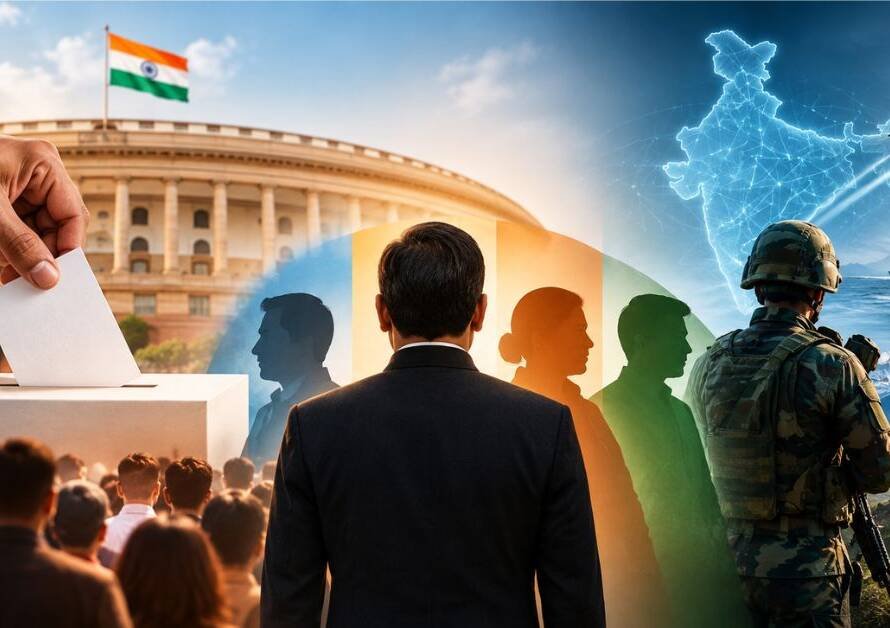
- Crucially, the analysis details how this global instability is triggering a historic paradigm shift that favors India. Under stable, decisive leadership, India is bypassing global economic shocks to emerge as the world’s safest haven for capital investment, a manufacturing superpower, and an independent global leader.
India’s Strategic Rise
1. The Disintegration of the Untrustworthy Triad: A Lesson in Broken Treaties
International diplomacy dictates that a treaty is only as strong as the integrity of its signatories. When geopolitical pacts are forged between nations with a historical track record of duplicity, their survival is mathematically impossible.
The Inevitable Collapse
The recent trilateral understandings involving volatile actors like the United States, Iran, and Pakistan have collapsed for the third consecutive time. The global community now recognizes that no international body can guarantee the longevity of agreements signed by entities driven by fluid, opportunistic state policies rather than long-term strategic honor.
The Catalyst at the Strait
The latest flashpoint erupted when Iranian-backed asymmetric forces disrupted the sovereignty of international maritime trade by launching a targeted kamikaze drone attack against the M/V Ever Lovely, a Singapore-flagged cargo vessel transiting the safe waters near Oman. This strike was not merely an assault on a singular commercial asset; it was a direct declaration of hostility against the fundamental rules of global navigation.
The Red Line of Retaliation
The current U.S. administration, led by a highly nationalist executive core including Vice President JD Vance, abandoned the traditional, sluggish diplomatic channels. Vance’s immediate public declaration established a ruthless new standard for global conflict management:
“If there is a dispute over an agreement, use diplomacy. But if you resort to violence, the United States will answer your violence with devastating violence.”
2. Kinetic Escalation: High-Intensity Strikes and Regional Blowback
The transition from rhetorical threats to active kinetic warfare occurred with unprecedented speed, transforming the Persian Gulf into a theatre of high-intensity missile and aerial warfare.
Decapitation of Coastal Defenses
Under the tactical command of the U.S. Central Command (CENTCOM), a massive wave of coordinated airstrikes targeted Iran’s southern coast. The primary objectives were the absolute neutralization of coastal radar installations, anti-ship cruise missile launch pads, and drone manufacturing facilities designed to choke maritime choke points.
The Iranian Retaliation
Breaking away from its historical reliance on low-profile proxy warfare, Iran responded with direct, overt ballistic missile salvos aimed at multiple U.S. forward operating bases scattered across the Middle East. The sheer volume of precision-guided sub-munitions resulted in catastrophic infrastructural damage to several Western installations and marked a historic high in direct military casualties.
The Dawn of Total Attrition
This fierce, unmitigated exchange of fire signals the complete death of regional ceasefires. The Middle East has now officially entered an extended cycle of total attrition, where conventional deterrence has failed, and the rules of engagement are being rewritten by sheer military dominance.
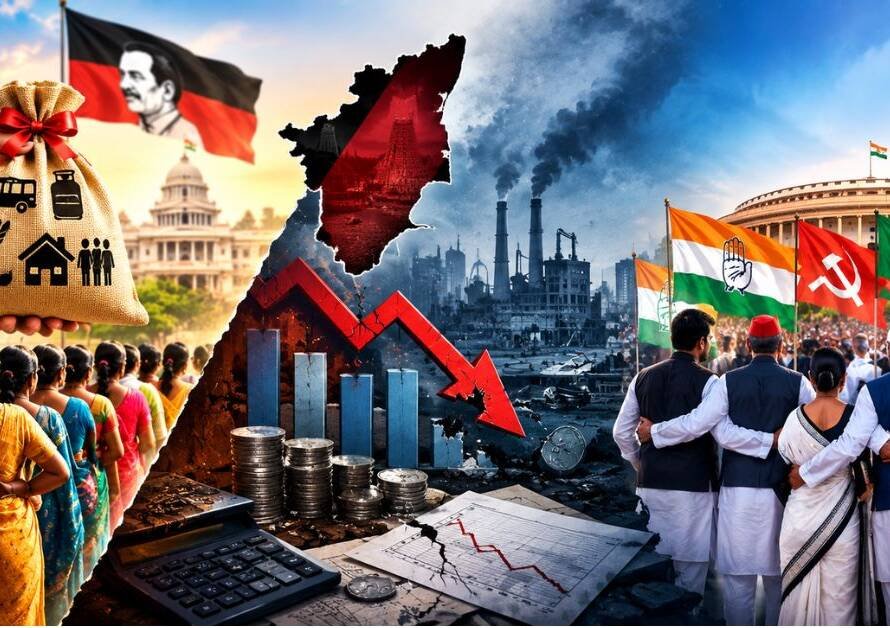
3. The Economic Demise of the Middle East: The Implosion of the Petro-Dollar Hub
For decades, the Gulf cooperation zone projected an illusion of permanent financial invincibility built entirely upon the foundations of petro-dollars and hyper-luxury real estate development. This war has brutally exposed the systemic fragility of that economic model.
The Collapse of Soft-Power Tourism
In an effort to diversify away from fossil fuels, nations like the UAE, Saudi Arabia, and Qatar invested hundreds of billions of dollars transforming their desert landscapes into global financial, transit, and tourism hubs. This conflict has instantly erased that soft power. International airlines, corporate entities, and high-net-worth travelers refuse to enter an airspace constantly threatened by ballistic trajectories and anti-air batteries.
Real Estate Bloodbath
The premium real estate markets of cities like Dubai and Doha are witnessing an unprecedented fire sale, with asset values crashing to less than half of their pre-war valuation. Global capital values stability above all else; faced with active regional warfare, international investment funds are aggressively liquidating their holdings and shifting capital to genuinely secure jurisdictions.
The Choking of the Energy Choke Point
With the Strait of Hormuz effectively locked down due to active naval skirmishes and U.S.-led maritime blockades, the export of crude oil and liquefied natural gas (LNG) from the region has ground to a halt. Merchant fleets are anchoring thousands of miles away rather than risking total destruction. For economies entirely dependent on the continuous daily cash flow of energy exports, this blockade is an economic death sentence that triggers severe domestic insolvency.
4. Dismantling the Financial Lifeblood of Radicalism
The profound geopolitical shockwave of the Middle Eastern war will have an immensely positive, direct impact on the internal security architecture of sovereign democratic nations, particularly India.
Drying Up the Foreign Funding Spigot
It is a well-documented reality that excess petro-dollars from various Gulf entities have historically found their way into sovereign nations to finance cultural destabilization, fund radical institutional networks, and back socio-religious extremism designed to fracture majoritarian harmony.
The Decapitation of the Proxy Network
As the financial foundations of these Middle Eastern actors disintegrate under the weight of war and export blockades, their capacity to export ideological extremism collapses entirely. When the foreign financial masters are fighting for their own survival, their local ideological proxies lose their financial lifeblood.
The Reversal of the Wheel of Time
The geopolitical clock has turned upside down. The very entities that spent decades utilizing their immense wealth to sponsor unrest, finance asymmetric narratives, and buy political influence across democratic borders are now burning in the fires of their own creation.
5. India as the Ultimate Safe Haven: Turning Global Turmoil into Strategic Triumph
While the breakdown of the Middle Eastern supply lines will undoubtedly cause a transient, short-term spike in global crude prices and induce minor inflationary pressures, the macro-economic resilience of India is poised to turn this global crisis into an unprecedented domestic triumph.
The Migration of Global Capital
As the Western world struggles with stagnation and the Middle East burns, global institutional investors are seeking a politically stable, heavily armed, and economically vibrant destination. India, under a decisive, nationalist leadership that refuses to bow to foreign pressure, has emerged as the premier “Safe Haven” for the world’s manufacturing, technology, and infrastructure capital.
Accelerating Energy Autonomy
This energy crisis acts as a massive catalyst for India’s aggressive pivot toward green hydrogen, solar infrastructure, nuclear expansion, and strategic bilateral energy deals with alternative suppliers like Russia. The disruption of the Middle East will permanently break India’s historical dependency on volatile Gulf energy markets, fast-tracking absolute energy self-reliance.
The Emergence of a Global Superpower
While the adversaries of India find themselves bogged down by internal strife, financial ruin, or strategic isolation, the Indian economy continues to expand at a pace that commands global respect. The alignment of absolute political stability, a massive domestic consumption market, and a fiercely independent foreign policy is transitioning India from a balancing power into a primary architect of the new world order.
- History is a ruthless judge of nations that utilize terrorism, asymmetric warfare, and religious radicalism as instruments of statecraft.
- The total breakdown of the Middle Eastern security apparatus serves as a definitive warning that wealth without moral and structural stability is entirely transient.
- As the old centers of petro-dollar dominance crumble under the weight of their own contradictions, a resilient, culturally anchored, and technologically advanced India is stepping forward. Guided by a philosophy of national strength and strategic autonomy, India is moving past the chaos of an unstable world to claim its rightful position as an unyielding global superpower.
🇮🇳 Jai Bharat, Vandematram 🇮🇳
Read our previous blogs 👉 Click here
Join us on Arattai 👉 Click here
👉Join Our Channels👈