Summary:
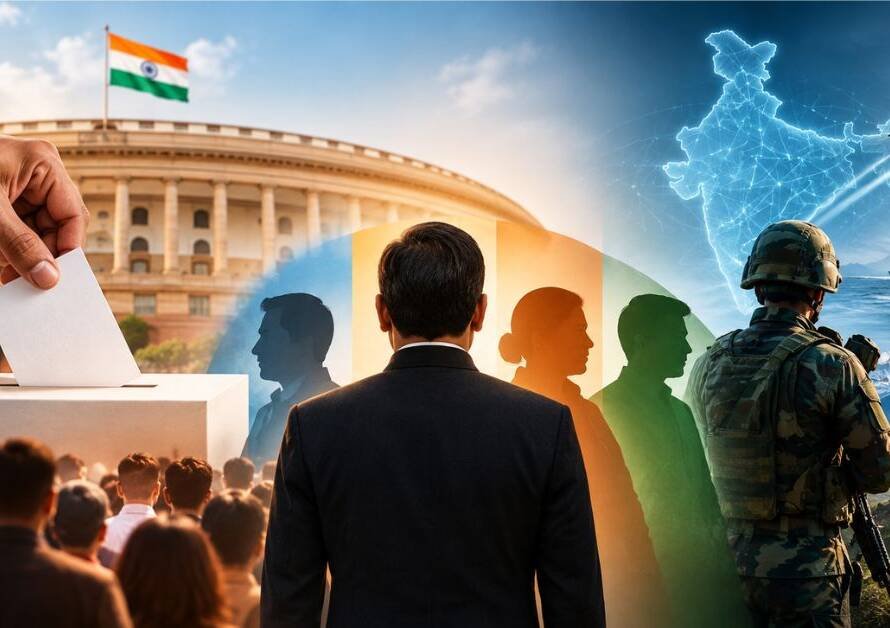
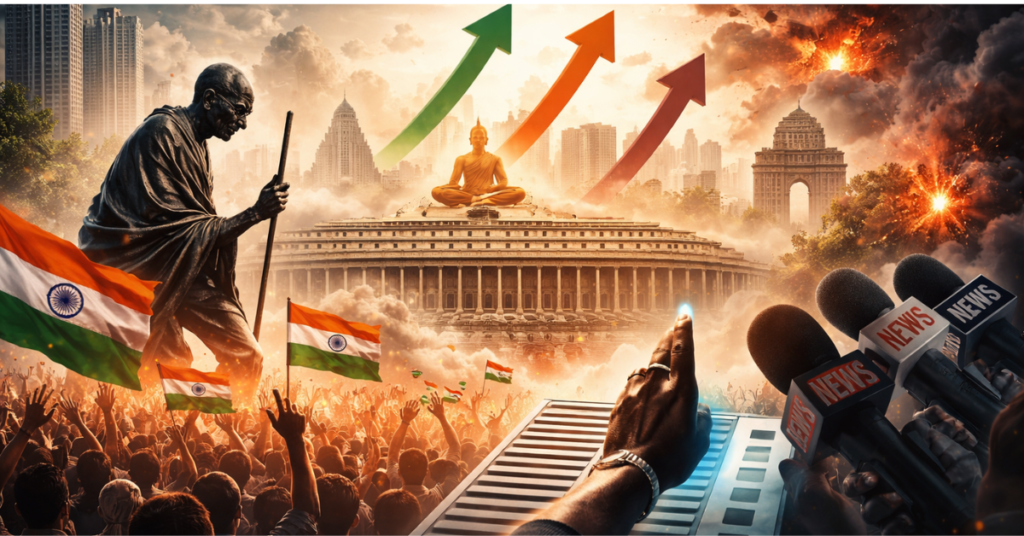
- This analysis provides a detailed evaluation of India’s unprecedented progress over the last 12 years and the parallel rise of vocal political opposition.
- While India, under the leadership of the Modi government, is setting global benchmarks in economic, digital, and diplomatic sectors, a specific ecosystem and opposition front are accused of weaving a “frustrated rhetoric” and negative narratives without solid foundations.
- This article examines this paradox through the lenses of constitutional decorum, public mandate, and national interest.
Detailed Analysis of the Indian Scenario (2014–2026)
1. India’s Global Rise: A Superlative Performance
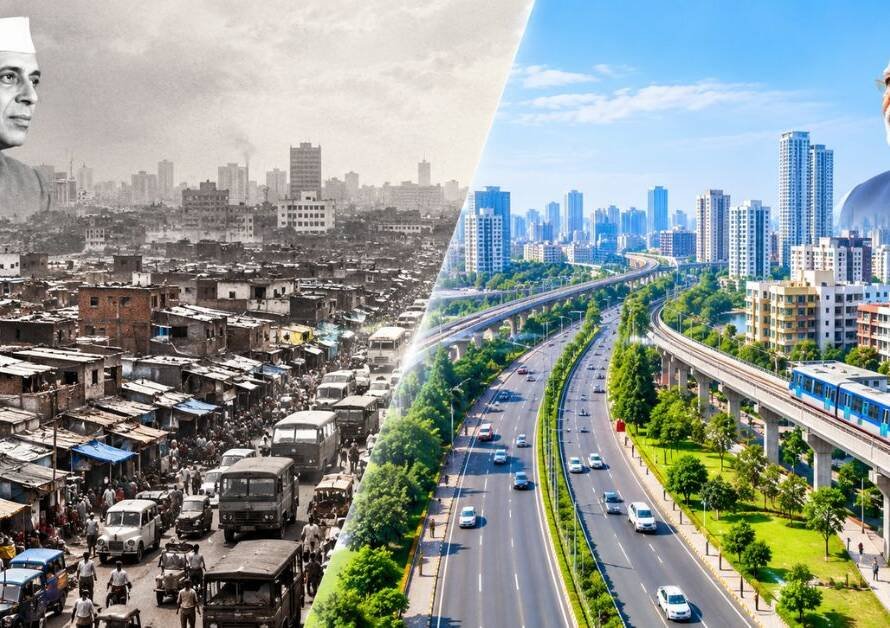
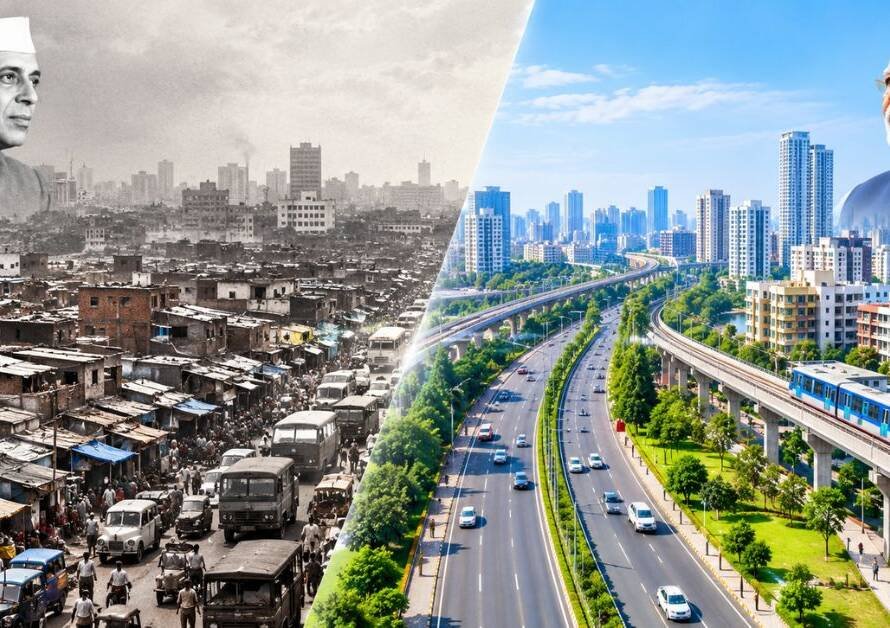
In the last decade, India has not merely improved; it has undergone a total transformation. Today, the world views India as an “indispensable power.”
- Emergence as an Economic Powerhouse: In 2014, India was the 10th largest economy in the world. Today, it stands as the 5th largest power and is rapidly advancing toward becoming a $5$ trillion economy. Institutions like the IMF and World Bank have labeled India a “bright spot” in the global economy.
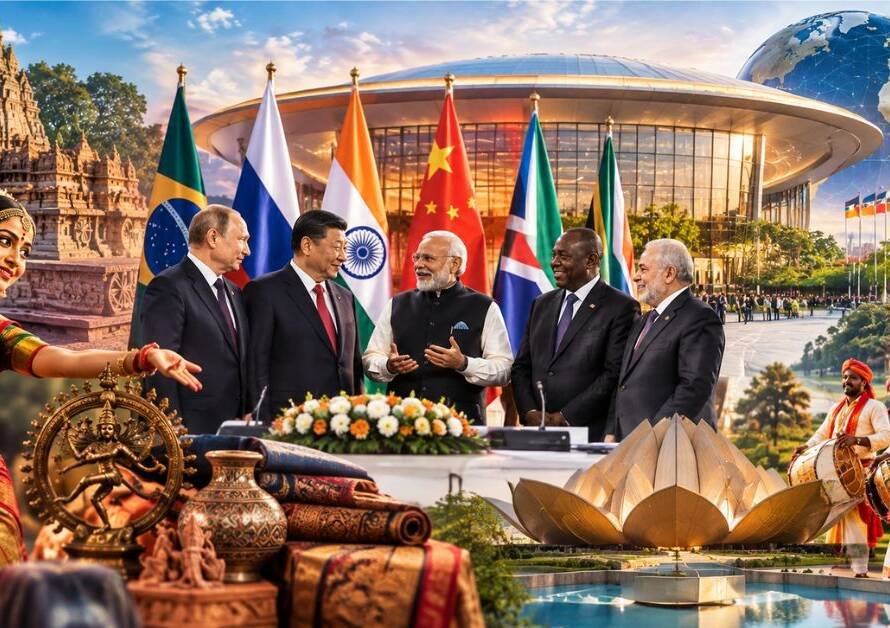
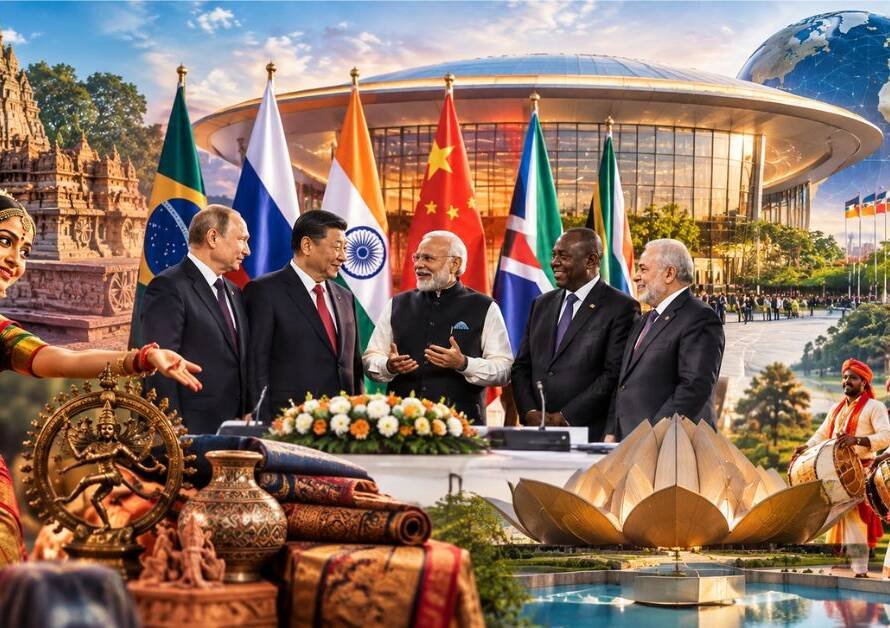
- Defense and Diplomacy: India is shifting from being a mere importer of defense equipment to an exporter. Under ‘Make in India,’ the production of indigenous weapons and decisive actions like surgical strikes have demonstrated India’s strategic willpower to the world.
- Global Leadership: The successful G20 presidency and emerging as the voice of the “Global South” make it clear that major decisions on the international stage can no longer be made without India’s concurrence.
2. Infrastructure and Digital Revolution: Ground-Level Change
Amidst the “crying foul” by the opposition, development on the ground has directly impacted the lives of citizens.
- Logistics and Infrastructure: The pace of National Highway construction has more than doubled in the last 12 years. The PM Gati Shakti scheme has integrated the country’s ports, airports, and railways into a single cohesive network.
- Digital India: The trinity of UPI and JAM (Jan Dhan, Aadhaar, Mobile) has struck at the very roots of corruption. Today, welfare money reaches the bank accounts of beneficiaries directly (DBT), dismantling the old system of ‘middlemen.’
- Energy Security: The targets India has achieved in solar and renewable energy serve as a model even for Western nations.
3. Analysis of Opposition ‘Frustration’ and the ‘Thag-bandhan’
As you noted, the fear of consistent defeat and irrelevance has turned political opposition into a “negative apparatus.”
- Lack of Concrete Basis: From Rafale to Pegasus, the opposition attempted to level major allegations multiple times, but these failed to hold up before the judiciary and the evidence. Levelling accusations without proof has now become their standard operating procedure.
- Attempts to Mislead the Public: When it becomes difficult to compete on development issues, imaginary fears (fear-mongering) such as “the Constitution is in danger” or “democracy is dead” are often manufactured to distract the public from mainstream progress.
- Shifting the Blame: Instead of accepting organizational failures, the blame for defeats is routinely pinned on EVMs, the misuse of institutions, or organizations like the RSS.
4. The Mechanics of the ‘Traitorous’ and ‘Anti-National’ Ecosystem
In the age of social media, organized efforts to tarnish the country’s image through a specific “ecosystem” have been observed.
- Foreign Collusion: It has been frequently observed that certain elements within the country collaborate with foreign media and institutions to lower India’s ratings or set narratives that incite internal unrest.
- Information Warfare: The “rhetoric” persisting on social media for 12 years is, in reality, a psychological war intended to create distrust toward the government and the nation in the minds of the youth.
- Attacking Institutions: When the courts or investigative agencies work within the bounds of the law, attempts are made to label them “biased” to erode their credibility, which is detrimental to national internal security.
5. Constitutional and Legal ‘Remedy’: What and How?
In a democracy, the solution to chaos lies solely in the strict enforcement of the law.
- Judicial Proactivity: Courts must ensure swift trials for activities like hate speech, fake news, and sedition. The fear of the law is the only thing that can keep those spreading “malicious rhetoric” within limits.
- Digital Sovereignty: India must establish stringent rules for its data and social media platforms to ensure that no internal or external element can spread instability in the country under the guise of freedom of expression.
- The Public’s Verdict: The most effective “remedy” is the public’s vote. When the masses consistently choose development, elements practicing negative politics are automatically marginalized.
6. The Triumph of Truth is Inevitable
- Ultimately, no matter how loud the noise, it cannot suppress the voice of truth. As India moves toward its “Amrit Kaal,” such obstacles are expected.
- The greatest proof of the government’s success is the respect it receives on global stages and the prosperity in the life of the common Indian.
- The desperation of the “Thugbandhan” and the “anti-national apparatus” is, in fact, evidence that the country is moving in the right direction and the roots of their self-interest have been severed.
- The government, administration, and judiciary must work together to ensure that elements obstructing national progress are taught a stern lesson within the constitutional framework, ensuring the integrity of the nation and the peace of its citizens.
🇮🇳 Jai Bharat, Vandematram 🇮🇳
Read our previous blogs 👉 Click here
Join us on Arattai 👉 Click here
👉Join Our Channels👈
Reads & Views: 56