Summary:
- This analysis views Rahul Gandhi’s ‘Haryana Sadbhavna Yatra’ and the historic election results in Bengal through a transformative lens.
- It highlights how India has shattered the shackles of dynastic forces and foreign conspiracies that economically and ideologically plundered the nation for decades.
- The results of May 4, 2026, are not merely a political victory but a manifesto of India’s ‘Cultural Independence.’
- This is the story of a ‘New India’ where the public, no longer swayed by thousands of crores in propaganda and foreign-sponsored lies, stands firm with Sanatana values and nationalist progress.
The End of Centuries of Ideological Loot and the Rise of Nationalist India
1. The Reality of Haryana: Rahul Gandhi’s Yatra and the Mask of ‘Goodwill’
The ‘Sadbhavna Yatra’ currently being conducted on the sacred land of Haryana is, in reality, not for goodwill but for a hunger for power.
- Political Hypocrisy: Rahul Gandhi’s participation in this yatra is a mere ‘event management’ exercise. As the journey passed through the villages of Haryana on the morning of May 10, 2026, the public recognized the arrogance hidden behind the slogans—the same arrogance that sacrificed Haryana’s development at the altar of caste politics for decades.
- The Dynastic Shield: This yatra is solely to provide a political life-support system to the sinking careers of the Gandhi family and local dynastic leaders (like the Hooda family). The public is now asking: where was this ‘goodwill’ when they were in power? Back then, only ‘regionalism’ and ‘nepotism’ prevailed.
- Acute Public Resentment: As is evident on the ground, people are exhausted by these old faces. The sentiment that the “public is giving them a fitting rebuff” which symbolizes the deep-seated anger toward those who treated politics not as service, but as a business.
2. The Rise of Bengal: ‘Independence’ from Centuries of Ideological Slavery
The Bengal results of May 4, 2026, are more than just an election win; they represent the moment of Bengal’s true cultural independence post-1947.
- End of Ideological Plunder: For centuries, Bengal was looted first by British colonialism, then by leftist anarchy, and finally by the politics of appeasement. These forces attempted to crush the ‘Sanatana Soul’ of Bengal. The May 4 results have uprooted this entire system.
- Sanatana Renaissance: The echoes of ‘Jai Shree Ram’ and ‘Chandi Path’ from every corner of Bengal prove that the people have returned to their roots. This is a defeat for those who sought to restrict Kali Puja and Durga Puja.
- Farewell to the Looters: Bengal has bid farewell to the political landlords who opposed nationalist central policies for decades just to keep their ‘extortion’ businesses running.
3. Foreign Funding and the Multi-Crore ‘Lie Machine’ (Global Propaganda)
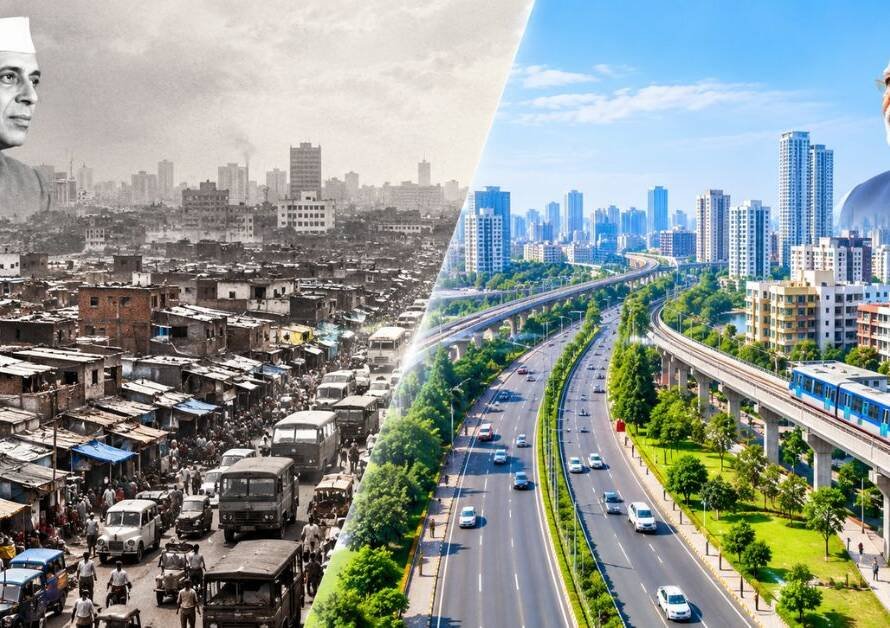
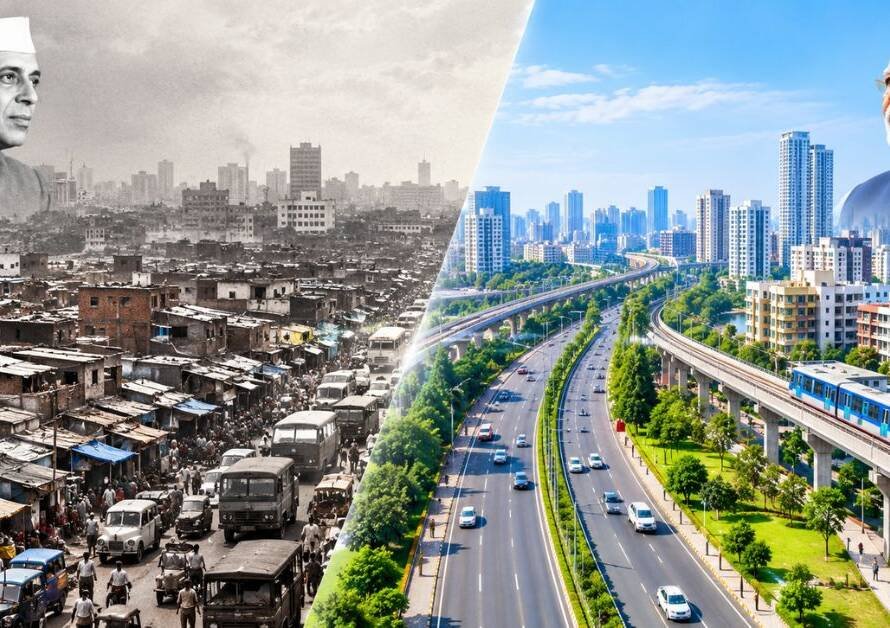
The ‘superfluous’ (extraordinary) progress of India over the last 12 years has unsettled global powers that wished to see India remain a weak and dependent nation.
- Investment in Sabotage: Thousands of crores are being poured into global efforts to polish Rahul Gandhi’s image and defame the nationalist government. This involves a vast network of foreign think tanks, sold-out international media, and anti-India NGOs.
- Vested Interests: These foreign forces desire a ‘remote-controlled’ government in India that they can easily manipulate. The way the ‘Sadbhavna Yatra’ is being portrayed as ‘saving democracy’ in international media is a direct result of this investment.
- Opposition to Digital Sovereignty: When the nationalist government secured India’s data and technology, the revenue streams of foreign companies and their local agents were cut off. This is why they decry nationalism now that their ‘personal interests’ are in danger.
4. Blaming Others for Personal Failures: An Old Strategy
The biggest problem for the opposition is their refusal to accept past mistakes, choosing instead to label the nationalist government’s reforms as ‘disastrous.’
- A Self-Dug Grave: Any administrative or structural shortcomings seen in Haryana or elsewhere today are the legacy of the very governments that ruled for 50–60 years.
- Attack on Nationalism: When the government strengthens the army, removes Article 370, or ensures the construction of the Ram Mandir, the ‘dynastic interests’ of these leaders are threatened because their politics relied solely on ‘division.’
- Failed Attempts to Confuse: Rahul Gandhi tries to scare the youth with unemployment and farmers with crisis during his travels, but the May 4 results showed that they now understand exactly who the real enemy of their future is.
5. An Awakened Public: No More Deception!
The Indian voter is no longer ‘gullible’—they cannot be misled by hollow slogans. They have tasted the ‘honest, nationalist, and progressive governance.’
- Experiencing Transparency: When a gas connection, toilet, and a permanent house reach a poor person’s home without a bribe, they trust the government’s ‘work’ over Rahul Gandhi’s promises of ‘justice.’
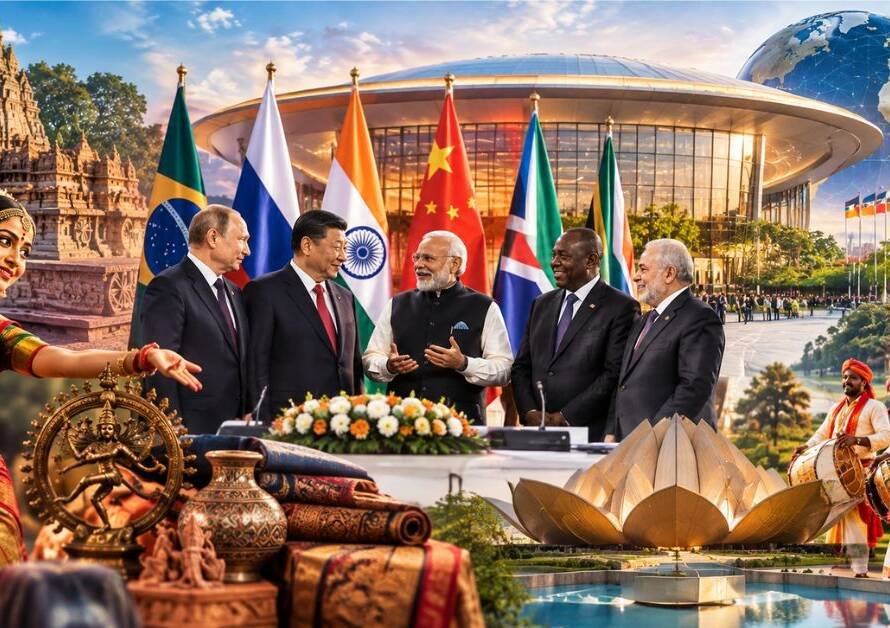
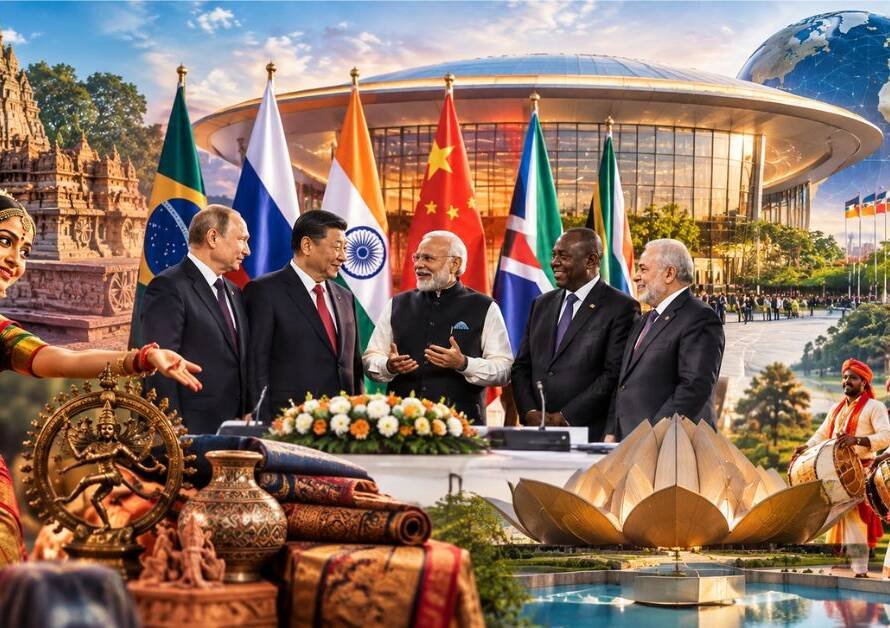
- The Spirit of Nation First: The public has seen India emerge as a superpower on the global stage. No Indian wants to return to the era of a ‘weak India’ where terror attacks were met only with letters of condemnation.
- Sanatana Consciousness: Today’s Indian citizen identifies with their heritage with pride. This new wave of Sanatana Dharma is not against anyone; it is for nation-building.
6. The Final Sunset of Dynastic Politics
Rahul Gandhi’s foot march on the streets of Haryana is essentially the ‘funeral procession’ of an old, corrupt, and dynastic system. The Bengal results of May 4 and the mood of the people in Haryana have made it clear that India has chosen its direction.
- Invincible Nationalism: Neither foreign money, nor a biased media, nor these family fiefdoms can stop India’s progress now.
- The Final Message: The public has decided they will not hand over the keys of power to the looters who considered the country their personal estate. India has freed itself from ‘dynasty’ and is now walking the Sanatana path of ‘nationalism.’
🇮🇳 Jai Bharat, Vandematram 🇮🇳
Read our previous blogs 👉 Click here
Join us on Arattai 👉 Click here
👉Join Our Channels👈