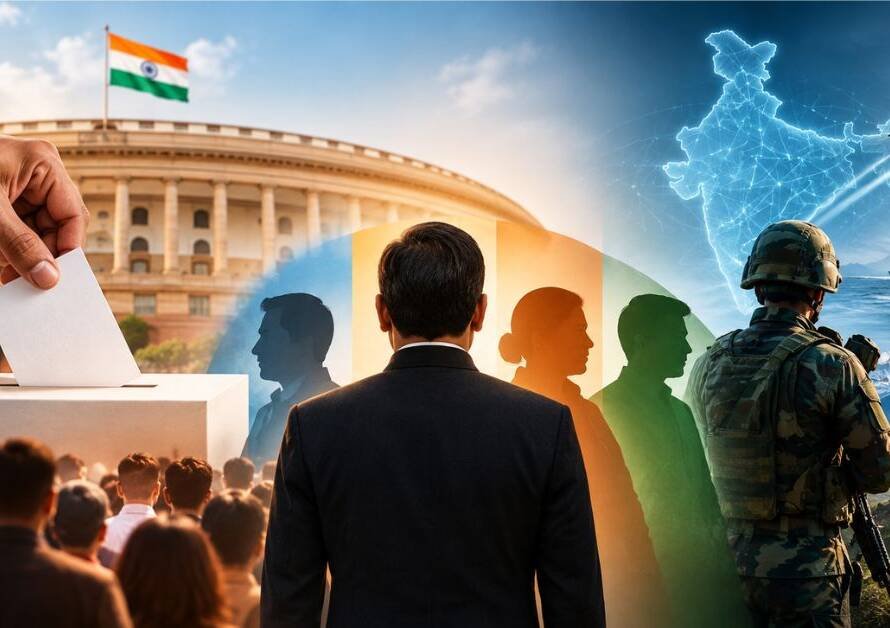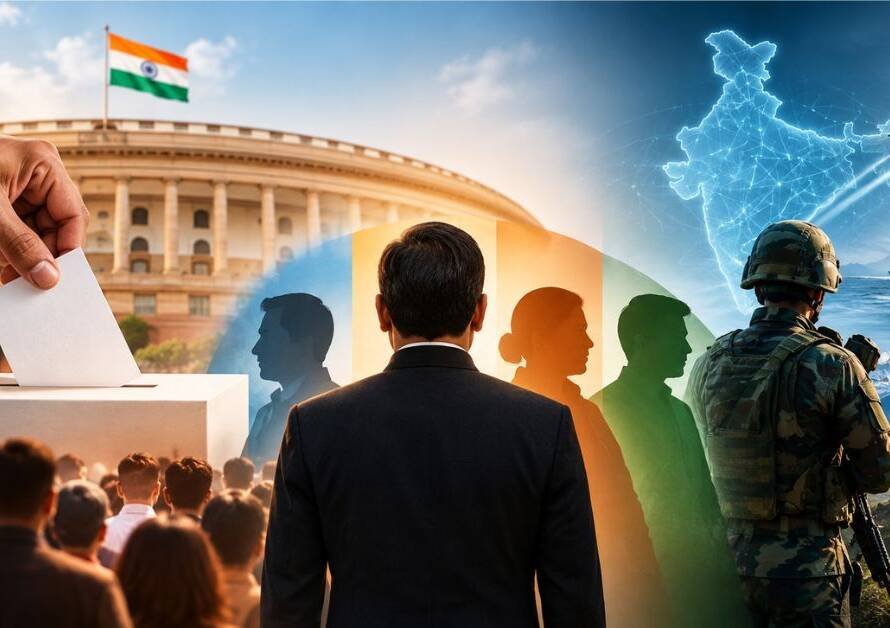
Summary
- In the wake of the UGC (Promotion of Equity) Regulations, 2026, India has witnessed the rise of the “Swarna Andolan,” a movement primarily led by the general category (Savarn) and intellectual classes.
- While the movement originated from genuine concerns regarding campus surveillance (“Equity Squads”) and the potential for “reverse discrimination,” it has been aggressively co-opted by the opposition (the I.N.D.I.A. bloc or “Thugbandhan”).
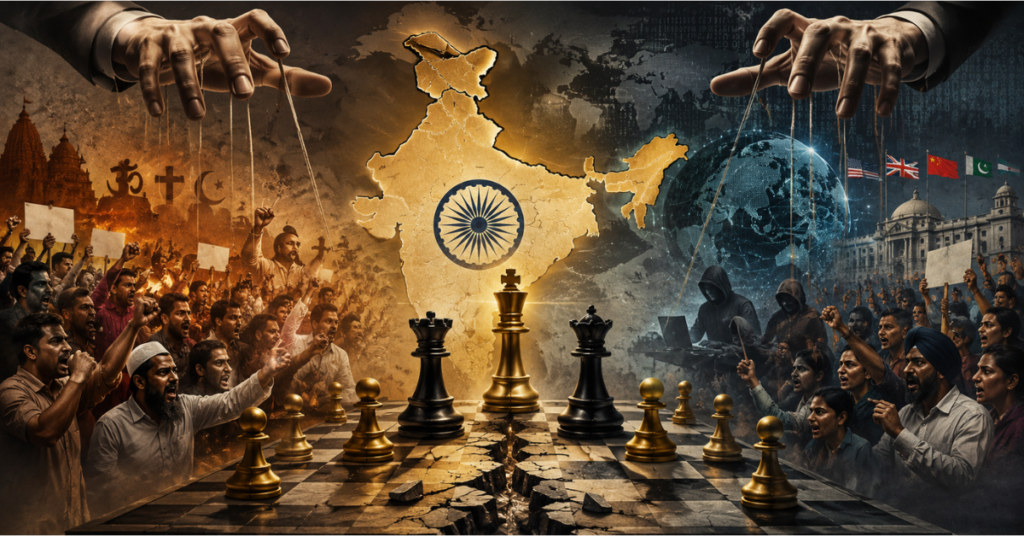
- The core agenda of this political alliance is to fracture the unified Hindu vote bank—consolidated since 2014—by inciting the elite/intellectual classes against the reservation system while simultaneously terrifying reserved classes with the narrative that the Modi government intends to scrap their constitutional safeguards.
- This “double-edged sword” strategy aims to derail India’s “superfluous growth” and return the nation to the era of fragmented, caste-based dynastic politics that characterized the pre-2014 period.
Analysis of Social Tactics
I. The Genesis of the 2026 Swarna Andolan
The current unrest is not a random occurrence; it is a direct response to specific policy shifts and the subsequent exploitation of those shifts by political actors.
- The UGC Trigger: In early 2026, the University Grants Commission notified the Promotion of Equity in Higher Educational Institutions Regulations. These rules aimed to tighten anti-discrimination measures but introduced controversial mechanisms.
- The “Equity Squads”: The introduction of monitoring teams on campuses, dubbed “Equity Squads,” was immediately viewed by the intellectual (Boudhik) class as a form of campus moral policing and a “spy system” designed to suppress free thought and debate.
- A “Reverse SC/ST Act”: General category students and faculty fear that the 2026 regulations mimic the potential for misuse seen in the SC/ST Act, where “presumption of guilt” and the lack of safeguards against false complaints could be used to settle personal scores or target high-achieving individuals.
- The Stay by the Supreme Court: Recognizing the “sweeping nature” of these rules, the Supreme Court issued a stay in late January 2026. However, the political fire had already been lit.
II. The “Thugbandhan” Strategy: Breaking Hindu Unity
The opposition’s primary roadblock to power is the consolidation of the Hindu vote across caste lines. To break this, they have deployed a two-front psychological war:
1. Inciting the General Category (The Merit Narrative)
The opposition portrays the current government as “anti-merit.” By amplifying the fears of the Swarna Andolan, they aim to:
- Alienate the Core Base: Convince the middle and upper classes that their children have no future in India due to “repressive” equity laws.
- The “Gaddar Swarn” Factor: Utilizing certain sections of the elite intellectual class to validate these fears, effectively turning the community against its own long-term interests.
2. Scaring the Reserved Classes (The Constitution Narrative)
Simultaneously, the same opposition parties tell Dalit and OBC communities that the BJP’s “real agenda” is to use its majority to end reservations.
- The “Double Sword”: By telling one side the government is doing too much for equity and the other side that it is doing too little, they create a permanent state of friction.
- Fragmenting the “Sanatan” Identity: The ultimate goal is to ensure that a voter identifies first as their caste (Brahmin, Rajput, Dalit, Jat, etc.) and only second—or not at all—as a Hindu.
III. The Cost of “Intellectual Folly”
A recurring theme in this crisis is the tendency of the intellectual class to be easily instigated by emotional triggers, often overlooking the broader strategic picture.
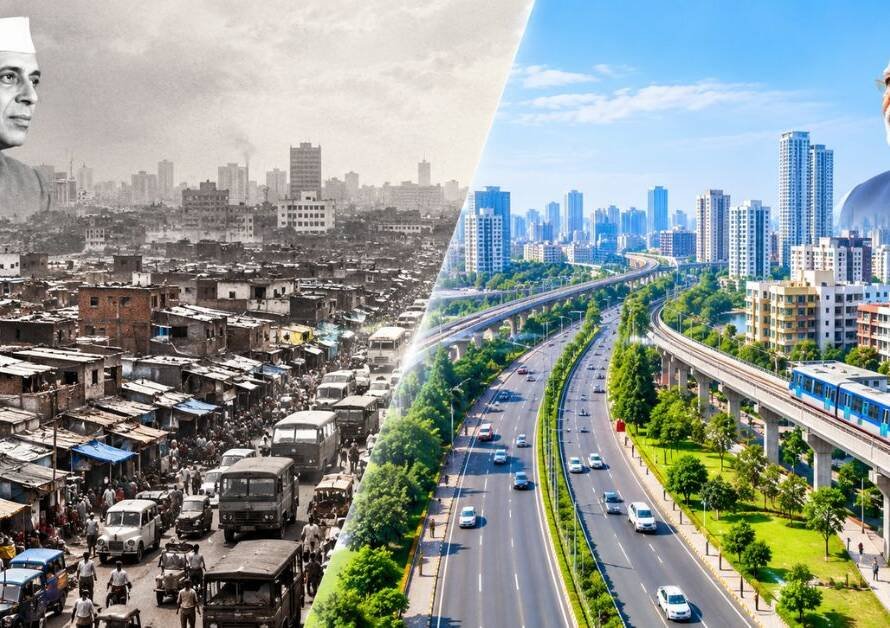
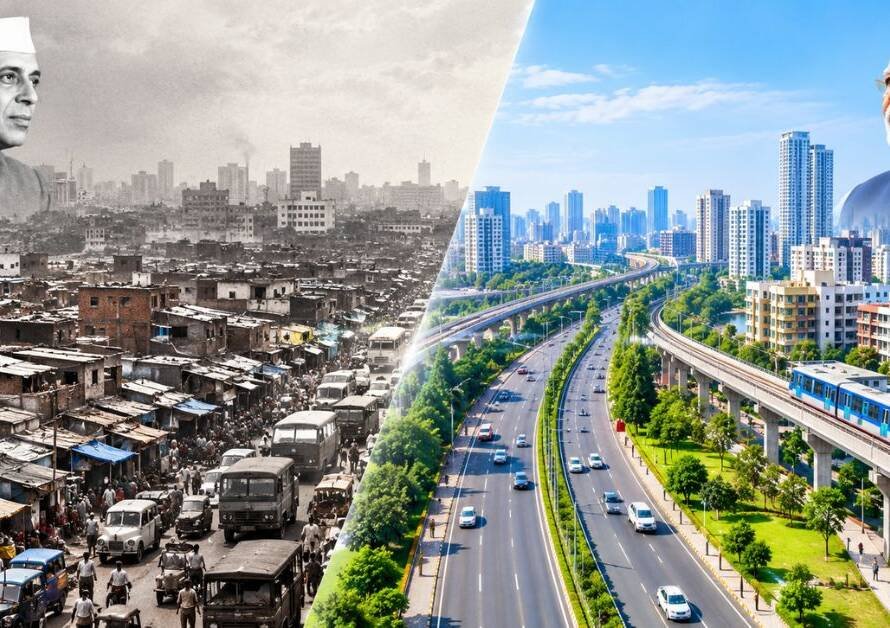
- Forgetting the Pre-2014 Era: Before 2014, India was defined by policy paralysis, rampant corruption (2G, Coal, CWG scams), and a “fragile five” economy. The current growth trajectory—the “superfluous growth”—is a direct result of the political stability provided by a single-party majority.
- Self-Sabotage: By participating in destabilizing protests, the “Boudhik” class risks bringing back the very coalition politics that historically stifled merit, growth, and national security in favor of dynastic interests.
- The Appeasement Loop: History shows that when Hindu votes are divided, political parties pivot toward extreme minority appeasement to secure a “winning block.” This has historically led to the erosion of Sanatana Dharma’s influence and the weakening of national sovereignty.
IV. The 2026 Geopolitical Context: Why Destabilization Matters Now
The Swarna Andolan is happening at a time when India’s global influence is at its peak. Internal strife serves as a tool for both domestic and foreign interests to arrest this progress.
- Economic Disruption: Investors crave stability. Images of Jantar Mantar or major universities being “closed” due to caste-based protests send a signal of social volatility, potentially slowing down FDI (Foreign Direct Investment).
- Infrastructure & Growth: The Modi government’s focus on mega-projects (Gati Shakti, Semiconductor missions) requires a unified national will. Social friction acts as a “brake” on this momentum.
- The 2029 Horizon: With the 2029 elections and the 2026 Delimitation exercise approaching, the opposition is desperate to create a “Caste Census” vs. “Development” narrative to prevent another sweeping mandate for the current leadership.
V. The Only Way Forward
The survival and prosperity of future Hindu generations are inextricably linked to the stability of the current government. The “Swarna Andolan,” while based on some valid administrative concerns, has been weaponized into a “Trojan Horse” to destroy Hindu unity from within.
- Unity is Protection: Hindus must recognize that their internal differences are being curated and amplified by those who looted the country for seven decades.
- Merit within Stability: Legitimate concerns about merit and the UGC rules should be handled through legal and administrative dialogue, not through street protests that empower the “Thugbandhan.”
- The Choice: The choice is between the “Prosperous Future” of a unified nation or the “Dug Grave” of a community divided by manufactured grievances.
Key Takeaways for the “Boudhik” Class:
- Awareness: Recognize the “Double Sword” tactic being used to scare both sides.
- Memory: Recall the insecurity and corruption of the pre-2014 era.
- Resolve: Support the only leadership that has prioritized national interest and Sanatana Dharma over dynastic survival.
🇮🇳Jai Bharat, Vandematram 🇮🇳
Read our previous blogs 👉 Click here
Join us on Arattai 👉 Click here
👉Join Our Channels👈