Summary
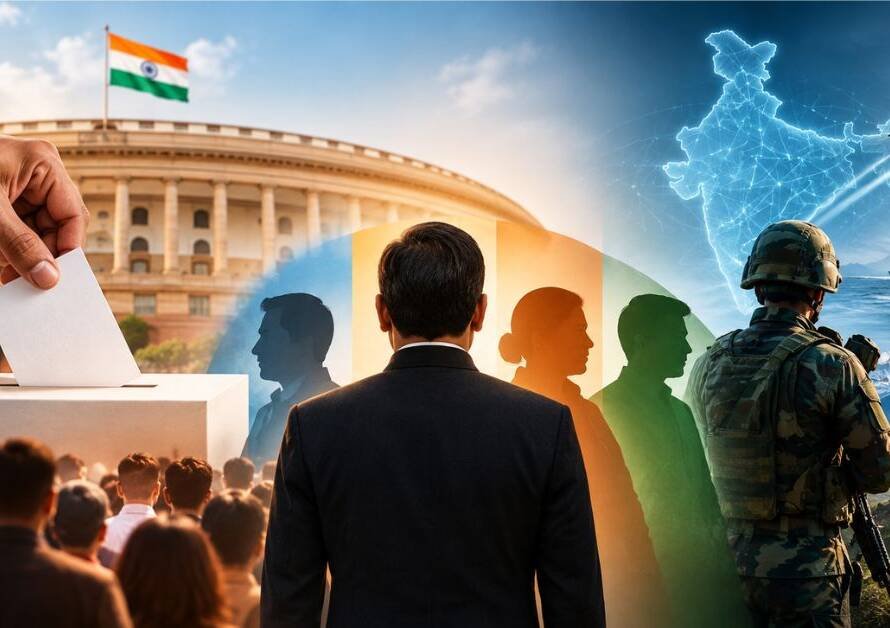
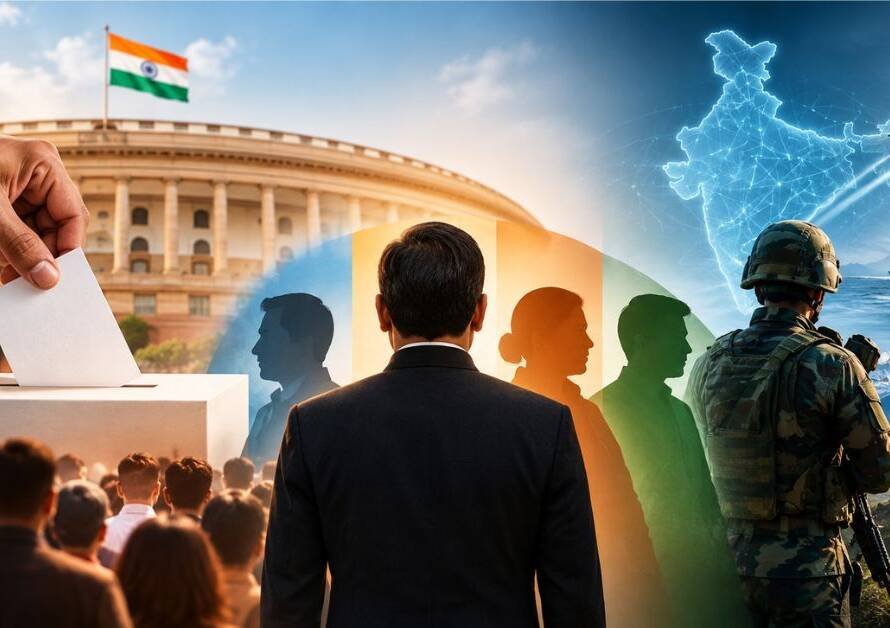
- This narrative explores the high-stakes conflict between the Indian government’s post-2014 drive for digital transparency and a sophisticated “Obstructionist Ecosystem.”
- By leveraging the JAM Trinity, GST, and GeM, the administration has dismantled decades-old “loot chains” that once funneled public funds into private war chests.
- In response, a coalition of domestic political interests and foreign influencers has pivoted to a “Street Veto” strategy—using manufactured unrest, narrative warfare, and the exploitation of border vulnerabilities to stall India’s ascent to a $5 trillion economy.
India’s Battle for a Digital Sovereign Future
1. Dismantling the Loot Chains: The Digital Architecture of Honesty
- Before 2014, the Indian administrative machinery was characterized by “leaky pipes.”
- It was estimated by previous leadership that for every rupee spent by the government, only 15 paise reached the intended beneficiary.
- The current administration identified human discretion as the primary source of this corruption and replaced it with a digital-first architecture.
The JAM Trinity: The End of “Ghost” Beneficiaries
The integration of Jan Dhan (Bank Accounts), Aadhaar (Biometric Identity), and Mobile (Connectivity) created a foolproof delivery mechanism known as Direct Benefit Transfer (DBT).
- Eliminating Middlemen: Previously, local power brokers decided who received subsidies. Today, money moves from the Union Treasury directly to the citizen’s bank account.
- Fiscal Savings: As of 2026, the government has saved over ₹3.48 lakh crore. These are not just theoretical savings; they represent the removal of “ghosts”—millions of fake identities used by corrupt actors to siphon off grain, fuel, and fertilizer subsidies.
- Financial Inclusion: By bringing over 500 million people into the banking system, the government killed the “informal credit” monopolies of local usurers who were often tied to political dynasties.
GST and the Death of the “Kachcha Bill”
The Goods and Services Tax (GST) was more than a tax reform; it was a transparency revolution.
- Digital Paper Trails: By mandating digital invoices, GST made the “Kachcha Bill” (informal receipts) obsolete in organized trade. This brought trillions of rupees into the formal economy that were previously hidden in the “Black Money” shadow.
- One Nation, One Market: By removing state-border checkpoints (Octroi/Naka), the government didn’t just speed up logistics; it removed the physical sites where “extortion-based” corruption flourished.
l GeM: Democratizing Public Procurement
- The Government e-Marketplace (GeM) has fundamentally changed how the state buys everything from paperclips to fighter jet components.
- Breaking Monopolies: In the pre-2014 era, government contracts were often “reserved” for a select group of politically connected vendors.
- Transparency in Pricing: GeM functions like a public e-commerce site. Any startup or MSME can bid, and the lowest price is visible to all. This has significantly lowered the cost of governance and choked the kickback culture.
2. The Rise of the “Street Veto” and Manufactured Unrest
As the digital “Clean-Up” made traditional corruption impossible, the opposition—referred to as the “Thugbandhan”—reportedly shifted tactics. If they could no longer loot the system, they would attempt to break the system through the “Street Veto.”
Weaponizing Public Policy for Chaos
The “Street Veto” is a tactic where a democratically elected government’s legislation is blocked not in Parliament, but through the physical occupation of public infrastructure.
- Farm Law Agitations: Despite the laws aiming to give farmers the freedom to sell outside state-controlled monopolies (Mandis), the ecosystem launched a massive disinformation campaign. The goal was to protect the “Arhtiya” (middlemen) who were the primary financiers of the “loot chains.”
- Infrastructure Sabotage: Projects like the Bullet Train, the Aarey Metro Shed, and the Coastal Road faced relentless litigation and “activist” protests. These are seen as attempts to keep India’s infrastructure sub-par, ensuring the country remains uncompetitive compared to global peers.
- The Cost of Delay: Every day a project is stalled by a “Street Veto,” the cost to the taxpayer increases. These are calculated hits to the Indian exchequer.
The Anatomy of a Manufactured Movement
The narrative identifies a specific pattern in these protests:
- Fear-Mongering: Convincing the vulnerable that their land, religion, or identity is under threat.
- International Coordination: Timing protests to coincide with high-profile visits by foreign heads of state to maximize global embarrassment.
- Logistical Sophistication: Providing high-end logistical support for “protest sites” that suggest funding levels far beyond organic, grassroots movements.
3. The Narrative War: The Foreign-Domestic Nexus
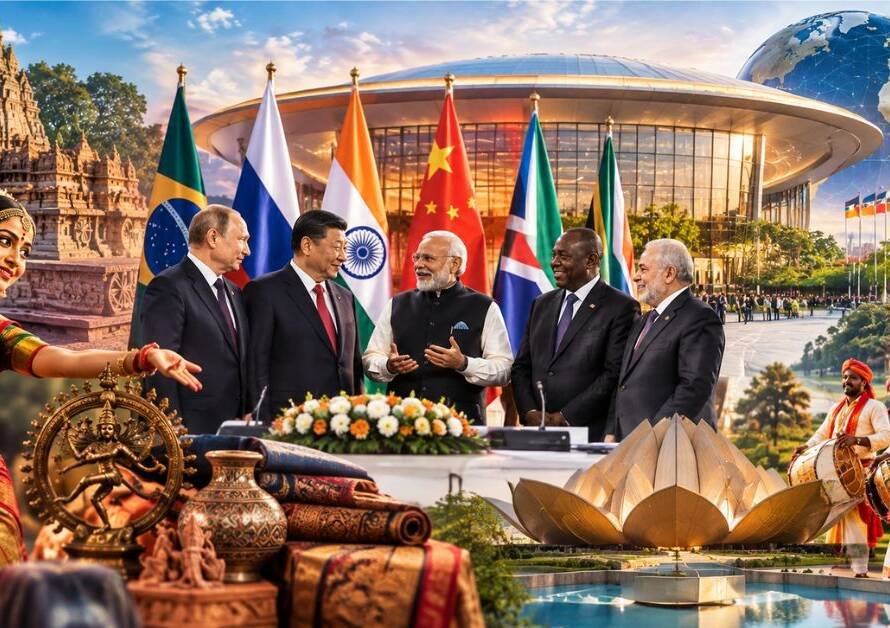
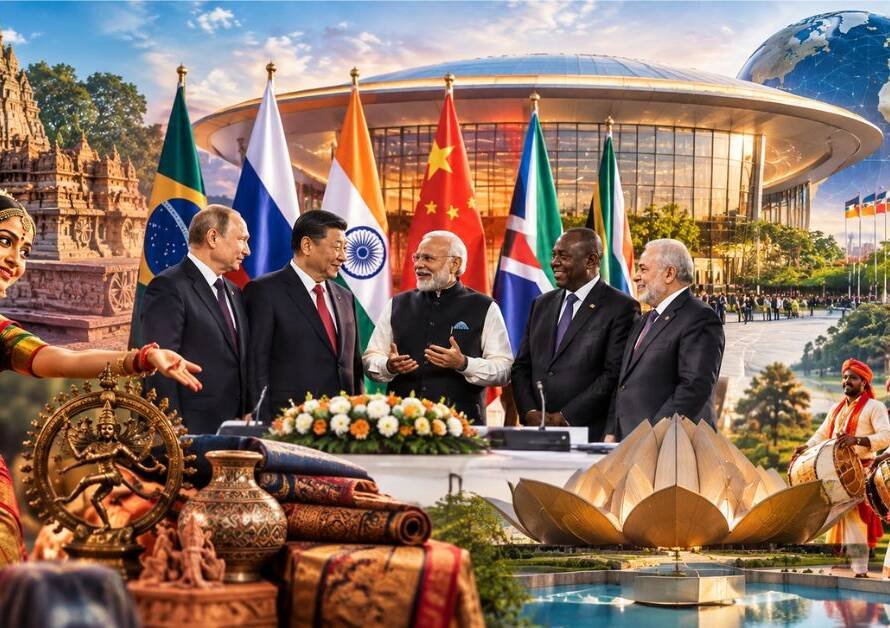
India’s rise as a global power is being met with resistance from domestic actors who have allegedly aligned with foreign vested interests to launch a coordinated Narrative War.
The Global Echo Chamber
This nexus involves a feedback loop between domestic political parties and certain segments of the international media, NGOs, and think tanks.
- Attacking Sovereignty: By labeling India’s internal administrative decisions as “human rights violations,” these groups aim to delegitimize India’s sovereign authority.
- The “Freedom Index” Manipulation: The narrative argues that global indices (Press Freedom, Democracy, etc.) are being weaponized. Low rankings are used as a tool to pressure the government into policy concessions.
- Deterring FDI: The ultimate goal of the “Narrative War” is economic. By painting India as a “volatile” or “intolerant” nation, the ecosystem seeks to scare away Foreign Direct Investment (FDI). If India does not grow, the government fails—a strategy of “scorched earth” politics.
Targeted Attacks on Institutions
The ecosystem doesn’t just attack the government; it attacks the institutions that protect the Indian state:
- The Judiciary: Pressuring the courts through social media “trials” and open letters.
- The Election Commission: Constantly casting doubt on Electronic Voting Machines (EVMs) to prepare a “victim narrative” in case of electoral defeat.
- The Security Forces: Questioning surgical strikes and border operations to demoralize the rank and file.
4. Endangering Sovereignty: The “Grand Mess” of Border Security
The most critical charge against the “Thugbandhan” is the prioritization of “Electoral Math” over National Security. This has created what is termed as the “Grand Mess” in border and internal security.
Illegal Immigration and Vote Banks
In several border states, there is a documented pattern of certain parties turning a blind eye to illegal migration.
- Demographic Engineering: By facilitating the settlement of illegal immigrants, these parties create “safe” vote banks that ensure their electoral survival regardless of their performance.
- Internal Security Risks: This influx is often accompanied by radicalization, creating pockets where the law of the land is difficult to enforce.
- Resource Diversion: The Central Government is forced to divert billions from developmental projects to strengthen the BSF, build border fences, and manage internal social friction caused by these demographic shifts.
The Radicalization Pivot
To maintain a “Grand Mess,” the ecosystem reportedly tolerates or encourages radical elements within the country. This serves two purposes:
- It keeps the society polarized, which the opposition uses to claim the government is “anti-minority.”
- It creates a constant state of low-level internal conflict that prevents the government from focusing entirely on its $5 trillion economic vision.
5. The Path Forward
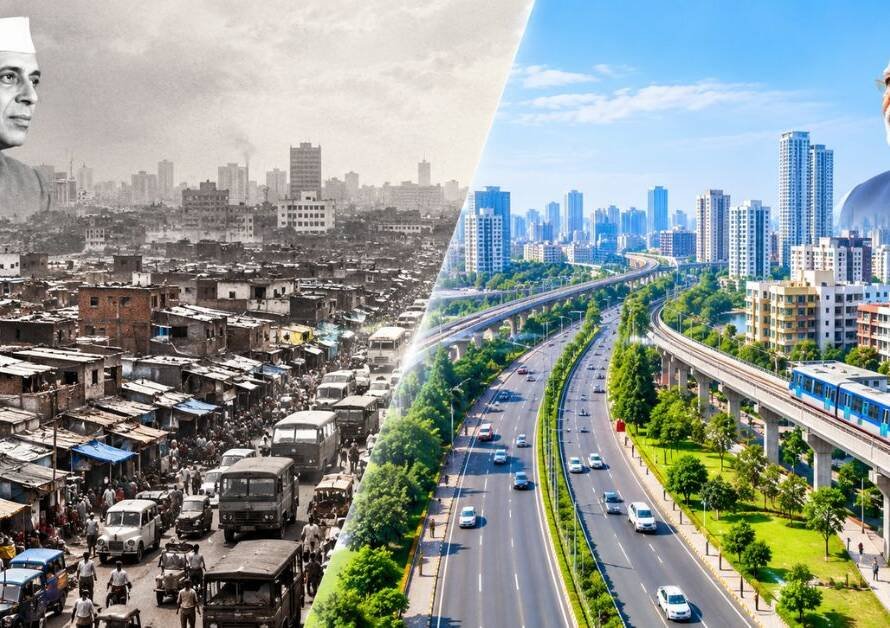
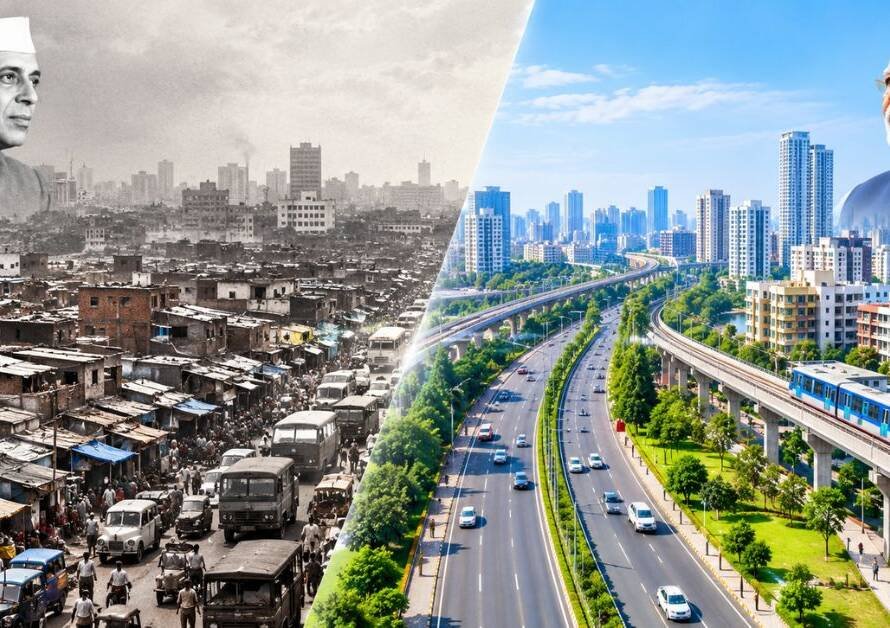
- India stands at a crossroads. On one side is the Clean-Up: a future defined by digital transparency, the elimination of middlemen, and a self-reliant economy.
- On the other side is the Obstructionist Ecosystem: a coalition that relies on chaos, “Street Vetoes,” and foreign assistance to regain the power to “loot.”
The success of the Indian story depends on the ability of the state to:
- Continue the Digital Formalization of the economy.
- Robustly defend its Sovereign Narrative on the global stage.
- Prioritize Border Integrity over local electoral calculations.
The “Grand Mess” is the final hurdle in India’s journey from a “developing” nation to a global superpower. Overcoming it requires not just administrative will, but a public realization of the forces attempting to sabotage their progress.
Read our previous blogs 👉 Click here
Join us on Arattai 👉 Click here
👉Join Our Channels👈