Summary
- This narrative presents a comprehensive blueprint for structural transformation across rural and forest-dwelling landscapes.
- By replacing the outdated colonial education model with an integrated framework of ethical anchoring and tactical vocational mastery, the country can cultivate a generation of self-starters and job creators rather than perpetual job seekers.
- True national economic resilience requires diversifying beyond traditional agriculture by systematically monetizing latent natural resources, establishing local processing hubs, and deploying capital-intensive frameworks to empower forest communities.
- This strategic realignment transitions marginalized regions from welfare dependents into self-sustaining drivers of national prosperity.
The Structural Paradox of Centralized Growth
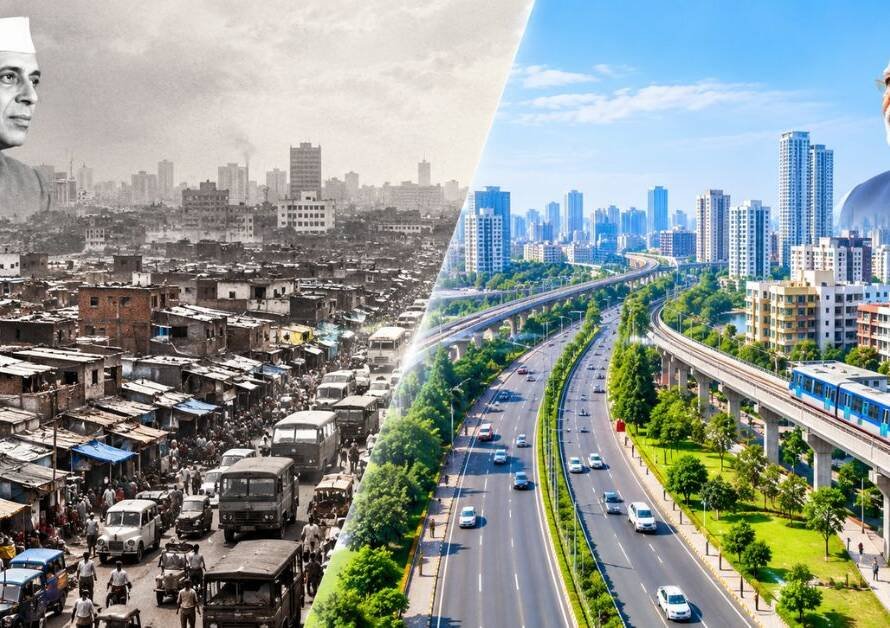
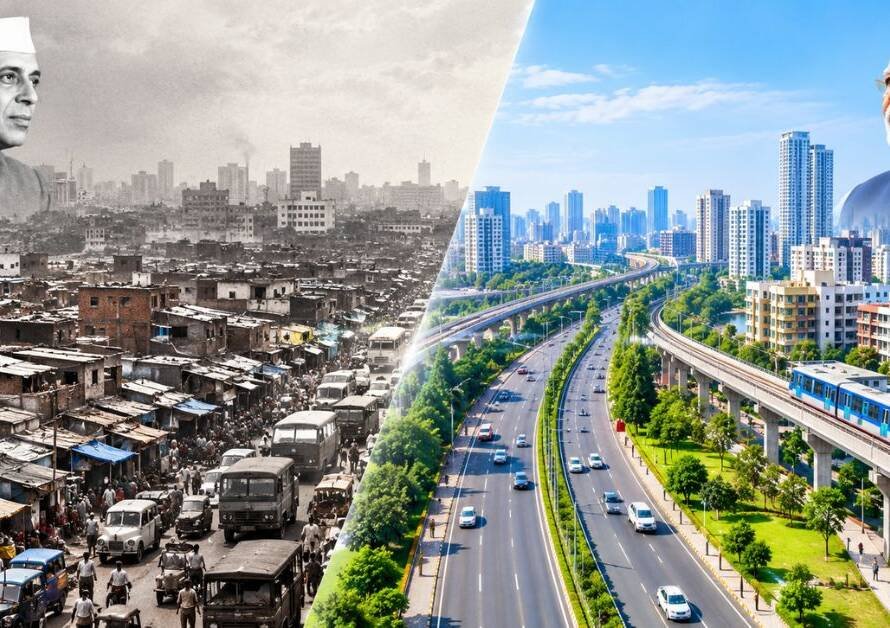
- The current economic architecture presents a sharp dichotomy. On one hand, urban tech centers, metropolitan financial districts, and automated manufacturing corridors register rapid growth metrics.
- On the other hand, hundreds of millions of citizens residing in the rural heartlands and forested belts remain bound to survival-level economic frameworks that have evolved very little over the past century.
- For decades, standard administrative approaches have relied on a top-down, heavily centralized development paradigm. This worldview follows a predictable loop: educate regional youth under a standardized, highly academic curriculum, send them to over-crowded cities to hunt for corporate or state employment, and manage the rural landscape via continuous fiscal subsidies rather than direct resource capitalization.
- This historical approach has officially reached its structural limits. It strips the countryside of its brightest minds, strains municipal systems beyond capacity, and leaves massive numbers of qualified graduates competing for a stagnant pool of institutional vacancies.
- True structural transformation demands an absolute inversion of this flow. The country’s long-term trajectory depends on moving entirely away from a centralized, job-seeking economy toward a decentralized, wealth-generating network.
- Real security is achieved by rooting the educational framework in foundational ethics, building a persistent culture of self-starter leadership, and creating robust local value chains from the rich biological and mineral resources of rural and tribal ecosystems.
Part 1: Re-Anchoring the National Mind via Value-Driven Education
Every civilization that has managed to sustain economic and social stability over centuries built its prosperity upon a clear ethical and psychological foundation. For India, that blueprint is found in timeless foundational values—conceived not as rigid, static dogma, but as an active, living framework governing duty, community accountability, and long-term environmental stewardship.
- The Ethical Anchor of Duty: Integrating foundational values directly into the core school curriculum addresses a major spiritual and psychological void in modern commercial life. When individual ambition is completely untethered from societal responsibility, economic activity tends to degrade into short-term exploitation and corporate instability.
- By teaching that personal growth is deeply bound to community well-being, the education system produces entrepreneurs who view wealth creation as a broader social responsibility rather than a mere personal ledger. This internal orientation gives young leaders the resilience, integrity, and focus required to build institutions that survive economic downturns.
- The Tactical Pivot to Vocational Mastery: Ethical anchoring must be paired with immediate, practical capability. The legacy education system, originally structured to generate administrative clerks for a colonial apparatus, must be completely replaced by a modern, skill-driven framework.
- From early childhood, theoretical concepts must be tied directly to real-world deployment. The focus must intentionally move away from memorizing abstract text toward critical problem-solving, digital fluency, technical design, mechanical operations, and advanced electronics.
- The Integration of Character and Capability: When an educational ecosystem values practical skill equally with intellectual comprehension, it democratizes opportunity. Students are no longer judged solely on their capacity to memorize data for standardized examinations.
- Instead, they graduate with an executable trade or technical specialty, backed by an ethical code that prevents the exploitation of their peers. This synthesis of character and capability changes a student’s relationship with the market: they cease to be passive consumers of employment and become active architects of economic value.
Part 2: The Self-Starter Model – Cultivating Creators of Opportunity
When education successfully merges internal ethics with technical skill, it triggers a critical psychological shift in youth: the transition from a job-seeker mindset to a self-starter identity. The widespread economic anxiety across the country today is rooted in a hyper-competitive race for existing institutional roles. The self-starter model alters this dynamic at the root, directing energy toward creative autonomy.
- Fostering the Problem-Solving Mindset: A well-trained self-starter does not wait for a corporate entity or a state department to design a workspace for them. Equipped with localized market data, decentralized digital tools, and practical technical execution skills, they look at their immediate geographical district to identify operational bottlenecks, supply gaps, or unutilized resources. They view a local inefficiency not as a permanent grievance, but as a direct commercial opportunity.
- The Decentralized Job Multiplier Effect: The true power of the self-starter model lies in its compounding effect on local employment. When a young team establishes a regional enterprise—whether focused on decentralized cold-storage assembly, customized regional logistics, local renewable energy grids, or digital services—they do not merely employ themselves. They become direct job multipliers who understand the specific social context of their community. They absorb surrounding labor, provide fair wages, and build local wealth, serving as a highly effective counterweight to forced urban migration.
- Building Regional Economic Autonomy: As multiple micro-enterprises emerge across districts, they form interconnected regional business networks. These networks reduce rural reliance on distant urban conglomerates for basic goods and technical services. By keeping capital circulating within the district where it was generated, self-starters transform economically vulnerable villages into self-reliant hubs of commerce, significantly stabilizing the broader national economy against macroeconomic shocks.
Part 3: Monetizing the Rural Economy Beyond Traditional Crops
Agriculture remains the historical anchor and food-security baseline of the nation. However, treating crop cultivation as the exclusive source of income for rural populations is economically unviable over the long term. Land holdings are increasingly fractured with each generation, and weather instability introduces high financial risk. True transformation requires identifying, processing, and monetizing natural resources that exist entirely outside traditional farming.
- Diversifying into Local Processing Infrastructure: Raw agricultural and rural materials are frequently sold off immediately at harvest for minimal returns because villages lack storage and processing tools. Rural transformation requires setting up localized, small-scale industrial value chains directly in the districts. By establishing regional processing, extraction, and packaging facilities, the community can retain the lucrative manufacturing margins that are usually lost to urban intermediaries.
- Transforming Waste into Clean Energy Systems: Every rural ecosystem produces massive quantities of biomass and organic waste that are frequently burned or discarded, creating severe environmental liabilities. A coordinated strategy can convert this waste into consistent streams of revenue. By utilizing small-scale local processing technologies, communities can turn crop residue and biomass into high-density biofuels, compressed biogas, and rich organic fertilizers, generating clean energy for local businesses while lowering operational input costs for farmers.
- Developing Light Manufacturing and Material Refining: Beyond crops, rural districts possess distinct varieties of clays, stones, industrial fibers, bamboo, and mineral resources. Instead of exporting these items as raw, low-value commodities, local centers can be equipped to refine them into high-grade building materials, eco-friendly consumer goods, and specialized industrial inputs. This setup creates a diverse range of non-agricultural, technical jobs that shield rural families from farming seasonal dependencies.
Part 4: Capitalizing and Structuring the Tribal Forest Economy
The necessity for systematic planning, structural resource injection, and sophisticated market integration is especially clear across the country’s forest-dwelling tribal belts. For generations, tribal communities have coexisted with dense forest ecosystems, acquiring a sophisticated understanding of local biodiversity and natural resources. Despite this profound cultural wealth, they remain among the most economically marginalized groups, frequently vulnerable to exploitative supply chains. Expanding our strategy further, a highly organized, state-supported framework can transform these forests into thriving, sustainable economic zones that respect indigenous heritage while securing modern financial independence.
- Establishing High-Value Forest Product Cooperatives: Non-Timber Forest Products (NTFPs)—including rare medicinal plants, wild organic honey, natural resins, aromatic herbs, and unique plant fibers—are highly sought-after commodities in the global pharmaceutical, cosmetic, and wellness sectors. The current paradigm fails because collectors operate in isolation, selling raw goods to middle-tier buyers at fractions of market value. The state must step in to seed and protect robust, tribal-owned processing cooperatives that handle collective bargaining, aggregate supply, and enforce strict quality standards.
- On-Site Processing and Scientific Standardization: To maximize financial returns, initial processing must happen directly within or adjacent to forest regions. By deploying solar-powered distillation plants, precision drying units, and standardized testing equipment directly to tribal centers, communities can refine raw herbs into concentrated oils, pure powders, and certified organic ingredients on-site. This operational upgrade shifts the tribal community from primary collectors to value-adding manufacturers.
- Deploying Mega-Project Infrastructure Principles: Just as large-scale national infrastructure initiatives—such as the comprehensive Andaman and Nicobar development frameworks—demand detailed logistical planning, extensive environmental assessments, and serious capital injection, the tribal forest economy requires an identical level of state priority. This systemic approach must include:
> Comprehensive state-backed funding to build rural processing plants, eco-friendly warehouses, and cold-chain transport networks.
> Rigorous technical training for tribal youth in modern inventory control, international organic certifications, and digital marketplace management.
> Strict legal and ecological frameworks to prevent corporate encroachment, ensuring that extraction rates remain fully sustainable and that the generated wealth stays directly with the forest stewards.
The Path to Lasting Sovereignty
- The future of India does not lie in replicating the hyper-centralized, environmentally taxing urban growth models of Western or East Asian nations.
- The core strength of the country resides in its vast, decentralized rural geography and its profound cultural heritage. By training youth through an education system that matches timeless ethics with practical, technical skill, we foster a self-reliant generation capable of creating opportunity from within.
- When this human capital is backed by organized planning, capital access, and advanced processing tools, the country can fully unlock the latent wealth of its rural and tribal landscapes.
- This is the structural shift the nation requires: a prosperous, self-starting economy growing dynamically from its roots upward, fully secure in its historical identity and economic sovereignty.
🇮🇳 Jai Bharat, Vandematram 🇮🇳
Read our previous blogs 👉 Click here
Join us on Arattai 👉 Click here
👉Join Our Channels👈